Normal Blood Pressure by Age
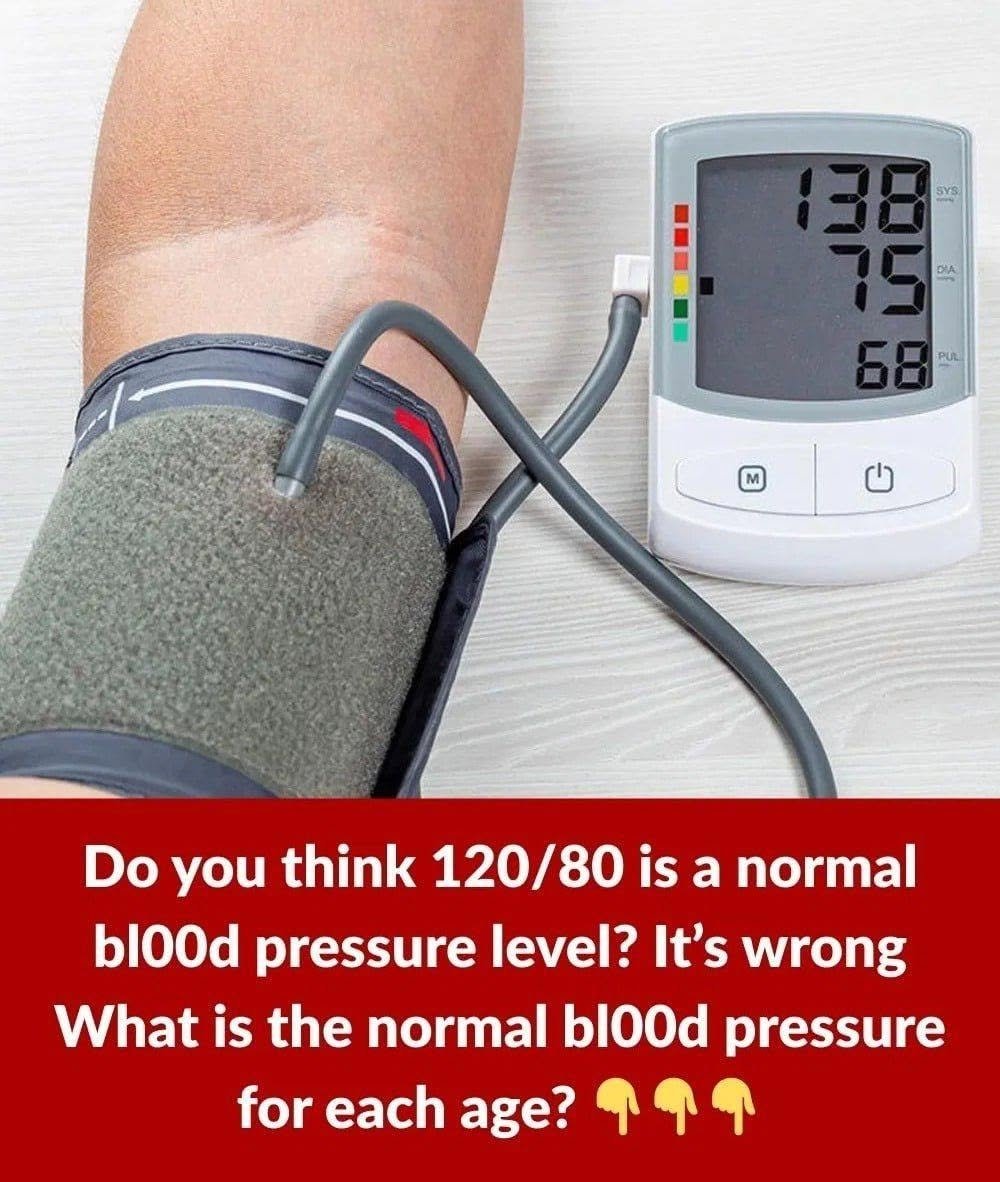
Blood pressure doesn’t have one exact “normal” value for every age. For adults, the same general blood-pressure categories are used regardless of age. In children, normal blood pressure depends on age, sex, and height.
Blood pressure is written as systolic/diastolic (mmHg) — for example, 120/80 mmHg.
Adults
| Age | Generally healthy/normal range | When it’s considered high |
|---|---|---|
| 18–39 | Around 90/60 to <120/80 | ≥130/80 |
| 40–59 | Around 90/60 to <120/80 | ≥130/80 |
| 60–79 | Around 90/60 to <120/80 | ≥130/80 |
| 80+ | Individualized; don’t assume a higher number is automatically normal | Depends on overall health and treatment goals |
The important point is that 120/80 isn’t a target that everyone must have, and blood pressure naturally varies throughout the day.
Adult blood-pressure categories
- Normal: less than120/80
- Elevated: systolic 120–129 and diastolic less than 80
- High blood pressure, stage 1: 130–139 or 80–89
- High blood pressure, stage 2: ≥140 or≥90
- Severe hypertension: >180 and/or >120, particularly if persistent
A single high reading doesn’t necessarily mean you have hypertension. Diagnosis usually requires repeated, properly measured readings.
Children and teenagers
Children are different. There isn’t a single number such as “120/80 is normal for everyone.”
For children under 13, clinicians interpret blood pressure according to age, sex, and height percentiles.
For adolescents 13 and older, many guidelines use adult-style thresholds.
As a rough illustration:
- Infants: blood pressure is naturally much lower than adults.
- Young children: typically have systolic pressures considerably below 120.
- School-age children: blood pressure gradually increases as they grow.
- Teenagers: values approach adult ranges.
If you’re asking about a specific child, give me their age, sex, height, and blood-pressure reading, and I can explain whether it falls within the expected range.
When is blood pressure dangerously high?
If an adult’s blood pressure is 180/120 mmHg or higher, wait at least a minute and repeat the measurement.
If it remains that high, contact a healthcare professional urgently.
If very high blood pressure occurs with symptoms such as:
- Chest pain
- Shortness of breath
- Severe headache
- Confusion
- Weakness or numbness
- Difficulty speaking
- Vision changes
- Severe dizziness
seek emergency medical care immediately.
One important detail
Blood pressure should be measured correctly: sit quietly for about 5 minutes, keep your back supported and feet flat, place the cuff on the bare upper arm, and avoid talking during the measurement. Taking two readings a minute or so apart can give a more useful picture than a single reading.
If you tell me your age and your blood-pressure reading (for example, 145/92), I can explain exactly what it means.