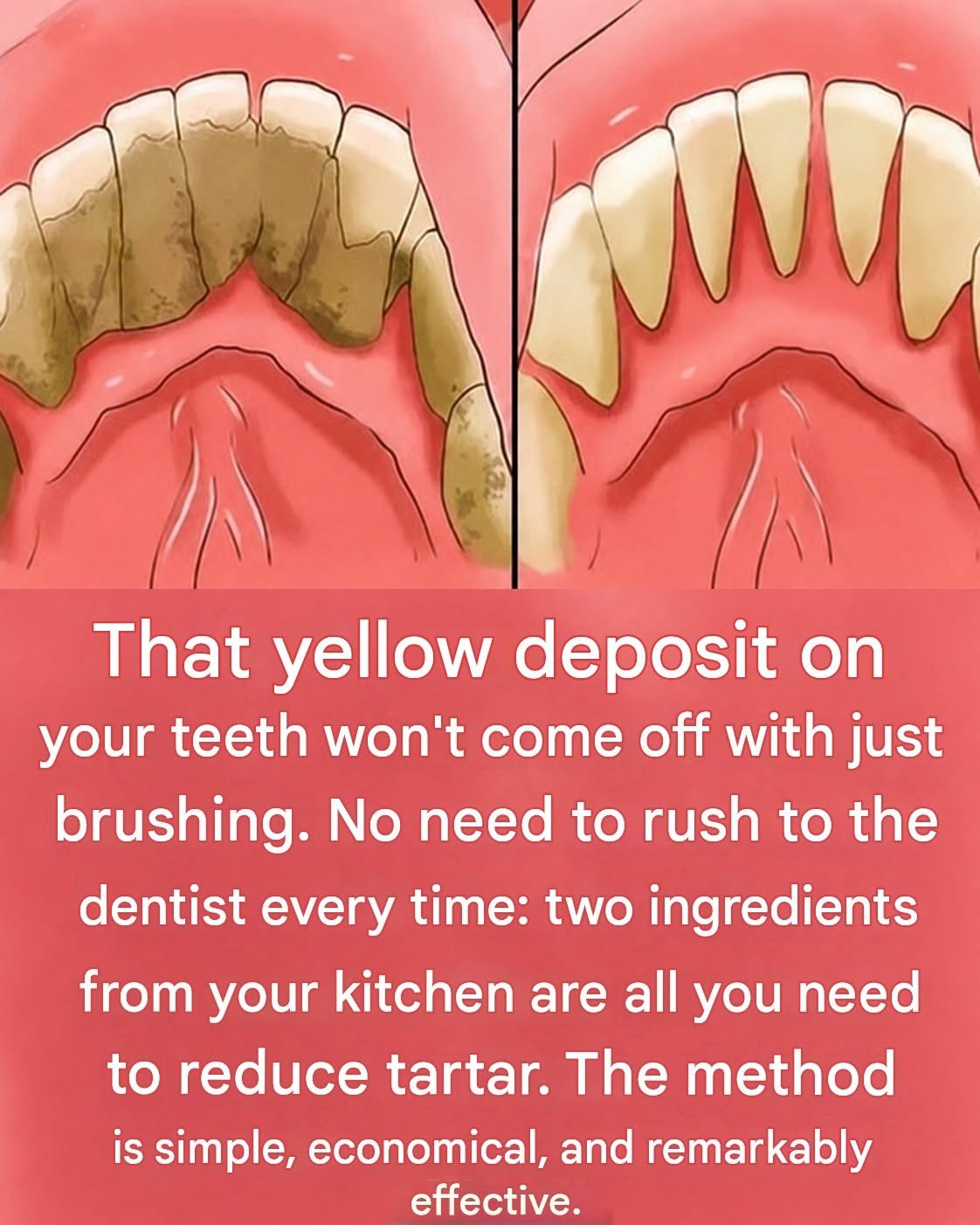
That headline is an absolute classic of internet self-care clickbait, usually paired with dangerous “hacks” involving metal scraping tools bought online, baking soda pastes, lemon juice, or vinegar designed to make you “be your own dentist.”
In clinical reality, attempting to remove tartar at home is not a thrifty DIY project—it is a fast track to destroying your dental health.
Here is the un-sensationalized dental reality behind tartar buildup and why leaving it to the professionals is non-negotiable:
1. The Critical Difference: Plaque vs. Tartar
-
Plaque is a soft, sticky film of bacteria that forms on your teeth daily. You can and should remove this at home by brushing twice a day and flossing daily.
-
Tartar (Calculus) is plaque that has mineralized and hardened onto your teeth, chemically bonding to the enamel. Once plaque turns into tartar, it becomes as hard as concrete.
2. Why DIY Tartar Removal Is Dangerous
Internet articles often encourage people to buy dental pick sets online or use abrasive acids to chip or dissolve tartar at home. Dentists and periodontists strongly warn against this for several critical reasons:
-
Permanent Enamel and Gum Damage: Dental scraping tools are razor-sharp. Without professional training, it is effortless to slip and gouge your tooth enamel, scratch the root surfaces, or severely lacerate your soft gum tissue, leading to painful infections.
-
Receding Gums and Bone Loss: Forcing tools under the gumline to hack away at tartar can push bacteria deeper into the periodontal pockets, accelerating gum disease rather than curing it.
-
Acid Erosion: Recipes involving lemon juice, apple cider vinegar, or baking soda scrubs to “dissolve” tartar strip away your tooth enamel. Once enamel is gone, it never grows back, leaving your teeth hyper-sensitive and highly vulnerable to cavities.
3. What You Should Do Instead
The only safe and effective way to remove tartar is in a dental chair using specialized, ultrasonic scalers and manual instruments designed to shatter the calculus without harming the tooth structure.
-
Focus on Prevention: The best home defense is stopping plaque before it hardens into tartar. Brush for two full minutes twice a day, use an antiseptic mouthwash, and—most importantly—floss daily to clear the spaces your toothbrush can’t reach.
-
Keep Regular Cleanings: Professional cleanings every 6 months ensure that any tartar that does form gets safely cleared away before it can cause gingivitis or periodontal disease.
The Takeaway: Leave the metal picks to the professionals. Scraping your own teeth at home risks severe gum damage and ruined enamel—your toothbrush and floss are for daily maintenance, and your hygienist is for the heavy lifting.
Did a sketchy DIY video pop up trying to sell you home dental tools, or were you just looking up ways to keep your smile bright between dental checkups?
