Here is adetailed, long-form version you can use for a health-awareness post:
❤️ SIGNS THAT YOUR HEART IS NOT RIGHT — PAY ATTENTION
Your heart works continuously to circulate blood and oxygen throughout your body. When something affects the heart or circulation, the warning signs aren’t always obvious. Some symptoms can be caused by conditions unrelated to the heart, but new, persistent, or unexplained symptoms should not be ignored.
1. Chest pressure, tightness, or discomfort
One of the most important warning signs is discomfort in the chest that feels like pressure, squeezing, heaviness, fullness, or tightness. It may come and go rather than remain constant.
2. Shortness of breath
Getting unusually breathless during activities that normally feel easy—or becoming short of breath while resting—can be a sign of a heart or lung problem. Don’t simply assume it’s a lack of fitness if the change is new.
3. Unusual or extreme tiredness
Persistent fatigue can have many causes, including poor sleep, anemia, infections, and stress. However, unexplained exhaustion, particularly when it appears alongside breathlessness or chest discomfort, deserves medical attention.
4. Pain spreading to the arm, back, neck, or jaw
Heart-related discomfort doesn’t always stay in the chest. It can sometimes spread to the shoulder, arm, upper back, neck, jaw, or upper abdomen.
5. A racing, pounding, or irregular heartbeat
You may occasionally notice your heart beating harder or faster, especially after exercise, caffeine, or stress. Repeated palpitations—or palpitations accompanied by dizziness, chest pain, or breathlessness—should be evaluated.
6. Dizziness or fainting
Feeling lightheaded, nearly fainting, or actually losing consciousness can sometimes occur because of an abnormal heart rhythm or another cardiovascular problem. Unexplained fainting should be medically assessed.
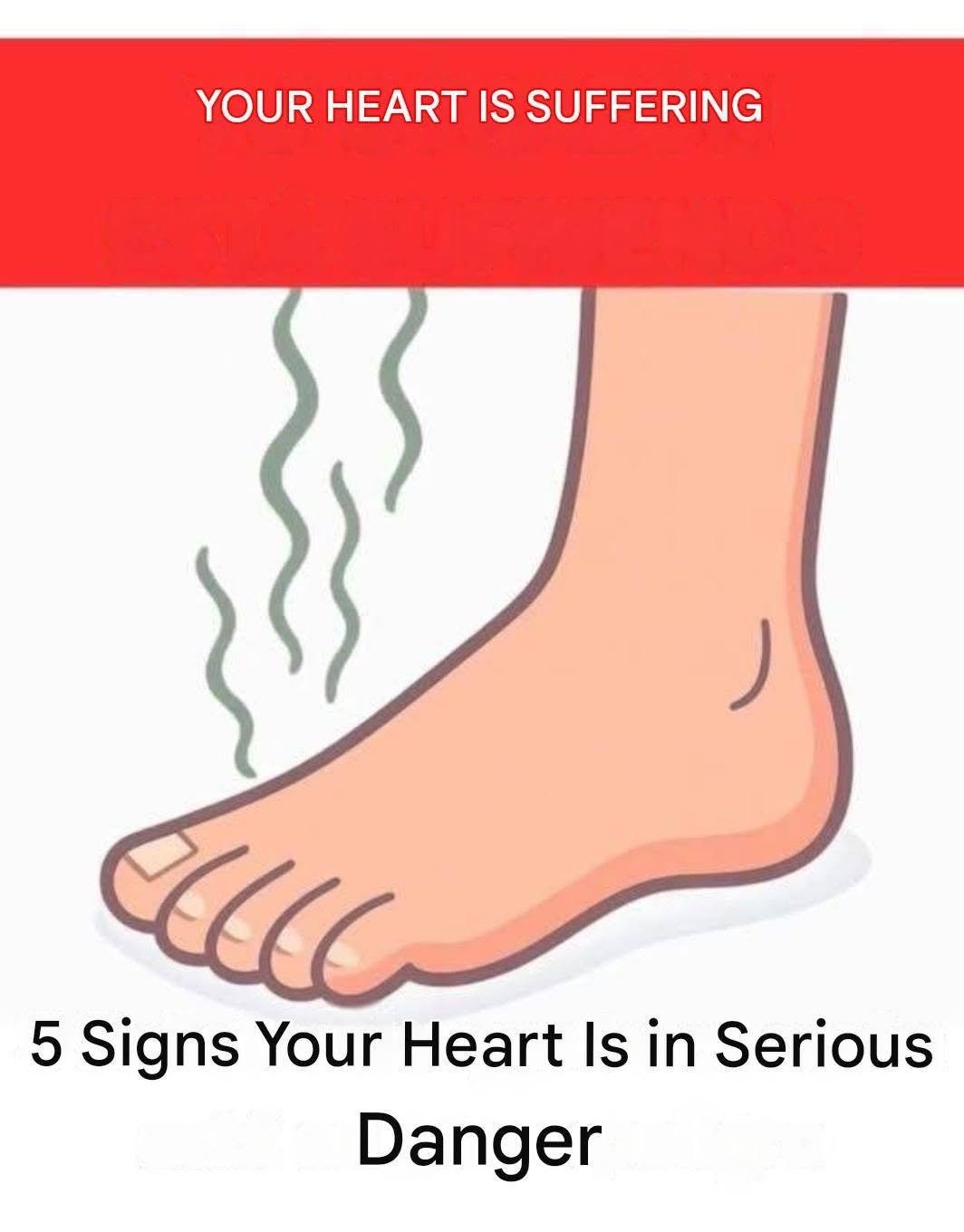
7. Swollen feet, ankles, or legs
Persistent swelling can occur when the body retains excess fluid. There are numerous possible causes, including vein problems, medications, kidney disease, and heart conditions.
8. Difficulty breathing when lying down
If you suddenly need several pillows to sleep comfortably because you feel short of breath when lying flat, or you wake during the night struggling to breathe, contact a healthcare professional promptly.
9. Sudden cold or clammy sweating
Unexpected sweating—especially when accompanied by chest discomfort, nausea, weakness, or dizziness—can occur during a heart attack and should be taken seriously.
10. Nausea or unusual upper-abdominal discomfort
Heart attacks can sometimes cause nausea, vomiting, indigestion-like discomfort, or pain in the upper abdomen. These symptoms can be especially easy to overlook because they resemble digestive problems.
11. Persistent cough or wheezing
A cough or wheezing that doesn’t go away can have many causes. When accompanied by breathlessness or swelling, however, it may warrant an assessment for a heart or lung condition.
12. A sudden decrease in exercise tolerance
If walking, climbing stairs, or performing ordinary activities suddenly makes you much more tired or breathless than before, don’t automatically assume you’re simply out of shape. A change in exercise tolerance can have several medical causes.
13. Rapid unexplained weight gain
A rapid increase in weight over a few days, especially together with swollen legs or increasing breathlessness, may indicate fluid retention and should be discussed with a healthcare professional.
14. Blue or gray lips or fingertips
A blue or gray appearance can indicate inadequate oxygen or circulation. If this happens suddenly or occurs with difficulty breathing, confusion, or severe weakness, seek emergency medical help.
🚨 Don’t Ignore These Emergency Symptoms
Seek emergency medical help immediately if you have:
- Chest pressure, squeezing, or discomfort that lasts several minutes or repeatedly returns
- Chest discomfort accompanied by shortness of breath
- Pain spreading to your arm, back, neck, or jaw
- Cold sweating, severe weakness, nausea, or faintness together with possible heart symptoms
- Severe difficulty breathing
- Sudden fainting or collapse
Don’t wait to see whether severe symptoms disappear, and if emergency services are available, don’t drive yourself to the hospital.
❤️ Remember: Symptoms Don’t Always Look the Same
Not everyone experiencing a heart attack or other heart problem will have dramatic chest pain. Some people may primarily experience shortness of breath, unusual fatigue, nausea, sweating, dizziness, or discomfort in the back or jaw.
At the same time, these symptoms do not automatically mean that your heart is diseased. Acid reflux, anxiety, respiratory conditions, muscle problems, anemia, infections, and many other conditions can produce similar symptoms.
The safest approach is to pay attention to new, unexplained, persistent, or worsening changes and get appropriate medical evaluation rather than trying to diagnose the cause yourself.