👂 “Put 2 Drops in Your Ear and You’ll Hear Like Before” — What You Should Know
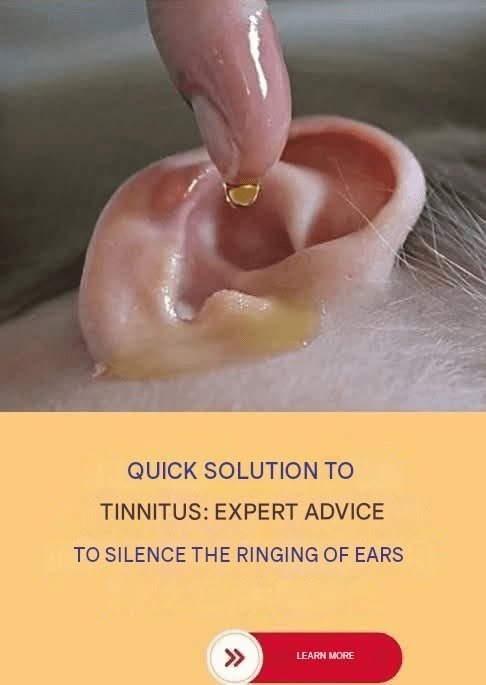
Claims that two drops of a particular oil, juice, peroxide mixture, or homemade remedy can restore hearing are common online.
Unfortunately, there is no universal two-drop remedy that can reliably restore hearing loss.
Sometimes ear drops can improve hearing—but only when the problem is something the drops are actually capable of treating, such as certain cases of earwax buildup.
Hearing loss has many different causes, and putting an unapproved substance into the ear can sometimes make the problem worse.
🦻 Why Hearing Can Become Worse
Hearing loss can result from problems in different parts of the ear.
1. Earwax buildup
Excessive earwax can block the ear canal and cause:
- Muffled hearing
- A feeling of fullness
- Ringing
- Ear discomfort
When wax is the cause, appropriately formulated earwax-softening drops may help soften it so that it can leave the ear naturally or be removed professionally.
Once the blockage is removed, hearing may improve substantially.
2. Ear infection
An infection can cause temporary hearing reduction because of swelling, inflammation, or fluid.
The appropriate treatment depends on the type of infection.
Putting random substances into the ear isn’t a safe substitute for diagnosis.
3. Fluid behind the eardrum
Colds, allergies, and other conditions can cause fluid to accumulate behind the eardrum.
This can produce muffled hearing or a sensation of pressure.
Ear drops placed in the ear canal generally cannot reach fluid located behind an intact eardrum.
4. Age-related hearing loss
Age-related hearing loss usually develops gradually because of changes in the inner ear.
A few drops placed into the ear canal cannot reverse those underlying changes.
Hearing aids or other hearing technology may be appropriate depending on the degree and type of hearing loss.
5. Inner-ear or nerve problems
Hearing depends on delicate structures inside the inner ear and the auditory nerve.
Damage to these structures can occur because of:
- Aging
- Certain medications
- Loud noise
- Infections
- Other medical conditions
A topical ear drop cannot simply “repair” damaged auditory nerves.
🚨 Sudden Hearing Loss Is Different
This is the most important part.
If hearing suddenly becomes much worse in one or both ears, especially over hours or a few days, don’t spend time trying home remedies.
Sudden sensorineural hearing loss can require urgent medical evaluation, and treatment may be time-sensitive.
Seek urgent medical care if you suddenly experience hearing loss, particularly if it occurs with:
- Ringing in the ear
- Dizziness or vertigo
- Ear pressure
- Severe headache
- Facial weakness
- Other neurological symptoms
Sudden hearing loss should be assessed promptly.
💧 What About Hydrogen Peroxide Drops?
Hydrogen-peroxide-containing ear drops are sometimes used to soften earwax.
That does not mean you should put concentrated household hydrogen peroxide into your ear.
If an earwax product is appropriate for you, use a product specifically intended for ear use and follow its instructions.
Avoid using ear drops if you might have:
- A perforated eardrum
- Ear tubes
- Significant ear pain
- Drainage from the ear
- Recent ear surgery
unless a healthcare professional has specifically advised you to do so.
🚫 Don’t Put These in Your Ear
Be your ear, an appropriate wax-softening product may improve hearing after the blockage is cleared. But hearing loss caused by aging, inner-ear damage, especially cautious about viral recipes involving:
- Garlic juice
- Onion juice
- Undiluted essential oils
- Vinegar mixtures
- Alcohol mixtures
- Homemade herbal oils
- Household chemicals
- Non-sterile liquids
The ear canal and eardrum are delicate.
A substance that is harmless on the skin may irritate or injure the ear canal or middle ear.
And if the eardrum has a hole, substances placed in the ear canal can potentially reach structures they were never intended to contact.
🧴 What If You Think It’s Earwax?
If your hearing has gradually become muffled and you suspect wax, a pharmacist or healthcare professional can help determine whether wax is actually blocking the canal.
Appropriate earwax-softening drops may sometimes be recommended.
Don’t use cotton swabs to dig wax out.
Cotton swabs can push wax deeper into the ear and potentially injure the ear canal or eardrum.
🩺 When Should You Get Your Hearing Checked?
Arrange a hearing evaluation if:
- Hearing loss is persistent
- One ear hears noticeably worse than the other
- You’re frequently asking people to repeat themselves
- You need the television louder than others
- You have persistent ringing
- You struggle to understand speech in noisy environments
- Your hearing has gradually deteriorated
A hearing test can determine whether the problem is related to the outer/middle ear or the inner ear and auditory nerve.
❤️ The Bottom Line
There is no proven “two drops” treatment that restores hearing regardless of the cause.
If earwax is blocking your ear, an appropriate wax-softening product may improve hearing after the blockage is cleared. But hearing loss caused by aging, inner-ear damage, nerve problems, or other conditions requires a different approach.
Most importantly, sudden hearing loss is not something to treat with a home remedy. Seek urgent medical evaluation.
Your hearing is too important to risk putting an unknown substance into your ear.