🌿 “Just One Leaf of This Plant Is Worth a Gold Mine!” — What This Viral Claim Really Means
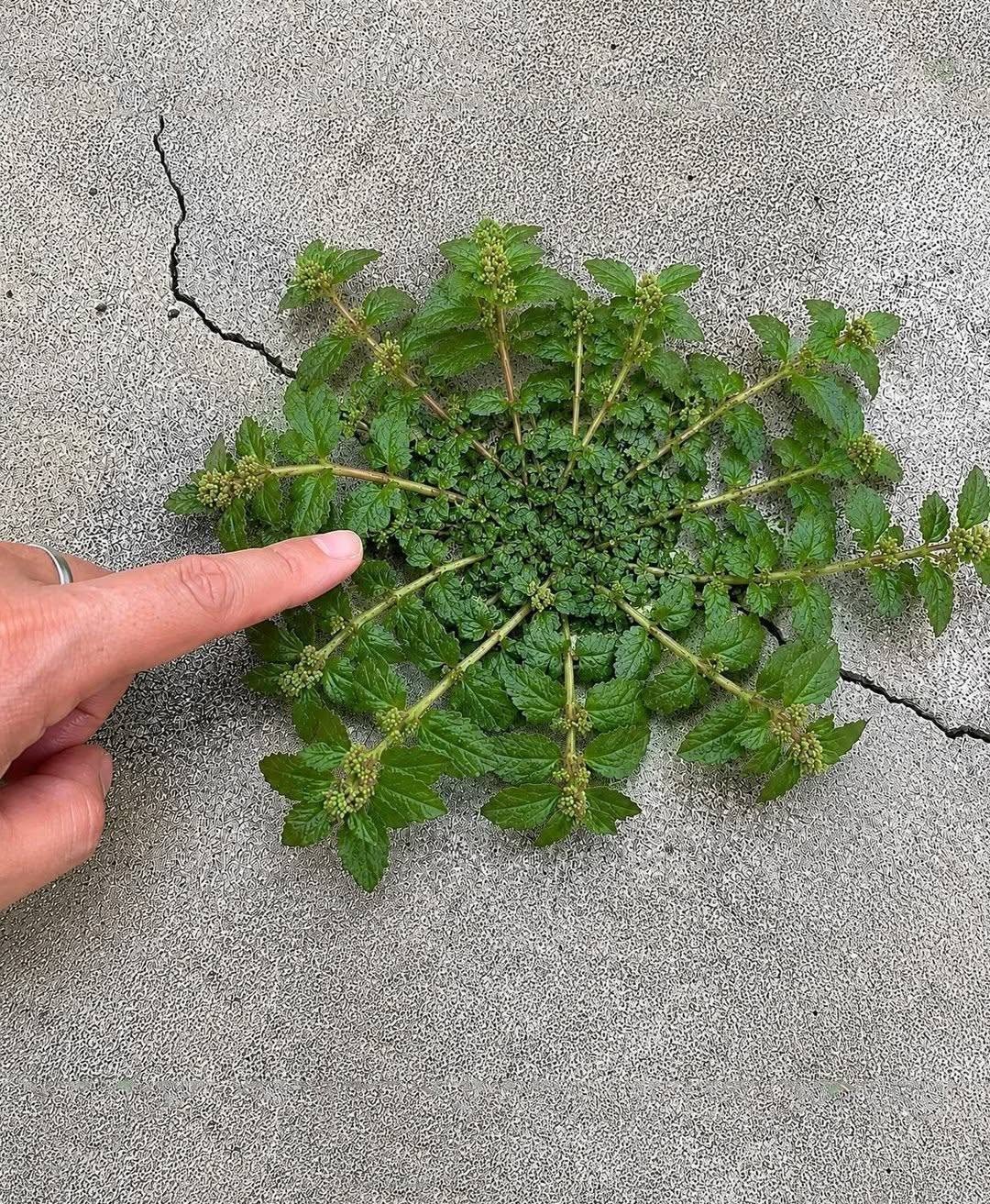
You may have seen posts claiming that one leaf from a particular plant can cure diseases, lower blood sugar, improve eyesight, clean the kidneys, or provide dozens of other health benefits.
These claims are often designed to make an ordinary household plant sound like a miracle remedy. But without knowing exactly which plant is being discussed, it would be unsafe to identify a plant—or recommend eating a leaf—based only on the phrase “one leaf.”
Different plants can look remarkably similar, and some leaves that resemble edible herbs can be toxic or dangerous when consumed.
🌱 Why One Leaf Can Be “Powerful”
Plants contain naturally occurring compounds such as:
- Polyphenols
- Flavonoids
- Carotenoids
- Essential oils
- Alkaloids
- Vitamins and minerals
Some of these compounds have been studied for antioxidant, anti-inflammatory, or other biological effects.
But finding a potentially beneficial compound in a plant doesn’t prove that eating a leaf treats or prevents a disease. The dose, preparation, plant species, and quality of the evidence all matter.
⚠️ Don’t Eat an Unknown Leaf
This is especially important with viral health recipes.
Never assume a leaf is safe because:
- Someone online says it’s edible.
- It grows in your garden.
- It resembles a familiar herb.
- Another person says they’ve eaten it.
- A social-media video claims it is a “miracle plant.”
Some plants can cause poisoning, allergic reactions, liver injury, abnormal heart rhythms, or interactions with medications.
🔎 If You’re Talking About a Specific Plant
Send me the name of the plant or a clear photo of the leaf, and I can give you the detailed article in the format you’ve been using:
- What the plant is
- Traditional uses
- What scientific research actually supports
- Potential benefits
- How it is commonly prepared
- Possible side effects
- Who should avoid it
- Medication interactions
- Warning signs
- Safe-use guidance
- A clear bottom line
That way, we don’t accidentally turn a catchy “gold mine” claim into unsafe medical advice.