Itchy Scalp? Here Are the Main Causes
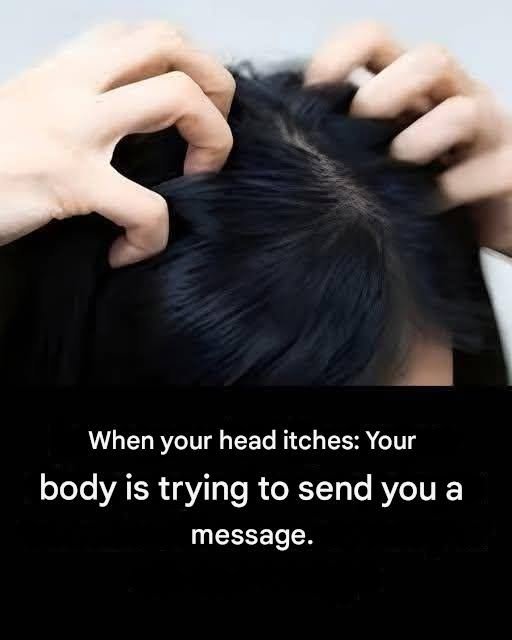
An itchy scalp is extremely common and can range from a simple case of dryness to a skin condition that needs treatment. The location of the itch, whether you have flakes, redness, bumps, sores, or hair loss, and how long the problem has lasted can provide useful clues about the cause.
Here are the most common reasons your scalp may be itching.
1. Dandruff
Dandruff is one of the most common causes of an itchy scalp.
It typically produces white or grayish flakes that become noticeable on the hair or shoulders. The scalp may also feel irritated or slightly oily.
Dandruff is often related to a reaction to Malassezia, a yeast that normally lives on the skin, combined with individual sensitivity and oil production. It isn’t caused simply by being “dirty,” and washing the hair more aggressively isn’t necessarily the solution.
Using an appropriate anti-dandruff shampoo can often control mild cases.
2. Seborrheic Dermatitis
Seborrheic dermatitis is a more inflammatory condition that can cause itching, redness, scaling, and greasy or yellowish flakes.
It commonly affects areas with many oil-producing glands, including the scalp, eyebrows, sides of the nose, and behind the ears.
Symptoms can come and go and may become worse during periods of stress, cold weather, or other triggers. Medicated shampoos containing ingredients such as ketoconazole, selenium sulfide, or zinc pyrithione may be recommended depending on the situation.
3. Dry Scalp
A dry scalp can become itchy, tight, and flaky, particularly during cold or dry weather.
Unlike seborrheic dermatitis, dry scalp often produces smaller, less oily flakes and may occur when the skin’s natural moisture barrier becomes irritated.
Frequent use of very hot water, harsh shampoos, excessive washing, or indoor heating can contribute.
Using a gentle shampoo and avoiding very hot showers may help.
4. Allergic Reaction to Hair Products
Sometimes the culprit is something you’re putting directly on your scalp.
Hair dye, shampoo, conditioner, gels, sprays, oils, fragrances, and other cosmetic products can trigger irritant or allergic contact dermatitis.
An allergic reaction may cause intense itching, redness, burning, swelling, or a rash. Symptoms may develop hours or even days after exposure, making it difficult to identify the offending product.
If the itching began soon after introducing a new hair product, stop using it and discuss persistent symptoms with a healthcare professional.
5. Psoriasis
Scalp psoriasis can cause thick, inflamed patches covered with silvery or white scales.
The patches may extend beyond the hairline and can be intensely itchy. Scratching can cause bleeding and may temporarily make the scaling worse.
Psoriasis is a chronic inflammatory condition, so ordinary anti-dandruff shampoo may not be enough. A dermatologist can recommend appropriate treatments, which may include medicated shampoos or prescription topical medicines.
6. Head Lice
Head lice can cause intense scalp itching, particularly around the ears and the back of the neck.
The itching is caused by a reaction to bites, and scratching can produce small sores or scabs.
If you suspect lice, look closely for live lice and nits (eggs) attached firmly to individual hairs. Unlike ordinary dandruff, nits tend to stay attached to the hair shaft rather than falling away easily.
Treatment requires an appropriate lice treatment and careful attention to household contacts and cleaning recommendations.
7. Fungal Infection
A fungal infection called tinea capitis (scalp ringworm) can cause itching, scaling, broken hairs, and patches of hair loss.
It is more common in children but can occur in adults as well. Some cases can become inflamed and develop painful swelling or pus.
Scalp ringworm usually requires prescription oral antifungal treatment. Ordinary anti-dandruff shampoo alone generally isn’t sufficient to eliminate the infection.
8. Folliculitis
Folliculitis occurs when hair follicles become inflamed or infected.
You may notice small red bumps, pimples, tenderness, itching, or pus-filled spots around individual hairs.
It can result from bacteria, yeast, irritation, sweating, shaving, friction, or certain skin conditions. Treatment depends on the underlying cause, so persistent or worsening folliculitis should be evaluated rather than repeatedly picking or scratching the bumps.
9. Eczema
Eczema can affect the scalp and cause dryness, itching, redness, scaling, and irritation.
People who have eczema elsewhere on the body may be more prone to scalp symptoms. Scratching can damage the skin and create a cycle in which irritation leads to more itching.
Gentle skin care and avoiding known triggers can help, while persistent or severe cases may require medical treatment.
10. Stress and Anxiety
Stress doesn’t necessarily create a scalp disease by itself, but it can intensify itching and make existing skin conditions flare.
Some people also scratch or pick at their scalp unconsciously when they’re stressed, which can further irritate the skin.
If your scalp looks relatively normal but the urge to scratch becomes particularly strong during stressful periods, stress may be contributing to the problem.
11. Sunburn
Your scalp can get sunburned, particularly if you have thin hair, a bald area, or a visible part.
A sunburn may cause redness, tenderness, itching, and later peeling.
Protecting exposed scalp skin with a hat or appropriate sunscreen can help prevent this. If the scalp becomes severely blistered or painful, medical advice may be appropriate.
12. Reaction to Sweat, Heat, or Irritation
Sweat and heat can sometimes irritate the scalp, especially when combined with hats, helmets, tight hairstyles, or products that trap moisture.
Frequent scratching can then damage the skin and increase inflammation.
Keeping the scalp clean, allowing it to dry properly, and avoiding tight or irritating headwear can help if these are contributing factors.
When an Itchy Scalp Needs Medical Attention
An itchy scalp is usually not an emergency, but you should consider seeing a healthcare professional if it is persistent, severe, spreading, or associated with other changes.
Pay particular attention to:
- Significant hair loss
- Bald patches
- Painful or swollen areas
- Pus or drainage
- Bleeding or open sores
- Thick crusts
- Severe redness or swelling
- Fever
- Symptoms that don’t improve with appropriate home care
Hair loss combined with scaling or inflammation can be especially important because conditions such as scalp psoriasis and fungal infections may require specific treatment.
Don’t Scratch Aggressively
Scratching can provide temporary relief, but it can also damage the skin, create tiny wounds, introduce infection, and intensify inflammation.
If the itching is severe, keeping your fingernails short and using appropriate treatment for the underlying cause is generally better than repeatedly scratching the scalp.
Final Takeaway
An itchy scalp can come from something as simple as dry skin or dandruff, but it can also be caused by seborrheic dermatitis, psoriasis, eczema, an allergic reaction, lice, fungal infection, or folliculitis.
The most useful clue is what the scalp looks and feels like in addition to the itching. Flaking, greasy scales, red patches, bumps, sores, and hair loss each point toward different possibilities.
If the itching is new and persistent or is accompanied by hair loss, painful lesions, pus, significant redness, or swelling, it’s worth having the scalp examined rather than repeatedly changing shampoos and hoping it resolves.