If Your Hands Are Going Numb, Here’s What It Could Mean
Hand numbness is common and can happen for something as simple as sleeping on your arm. But repeated, persistent, or sudden numbness can sometimes signal a nerve, circulation, metabolic, or neurological problem.
The meaning depends on which fingers are numb, whether one or both hands are affected, how long it lasts, and what other symptoms occur.
1. You May Have a Compressed Nerve
One of the most common causes is pressure on a nerve.
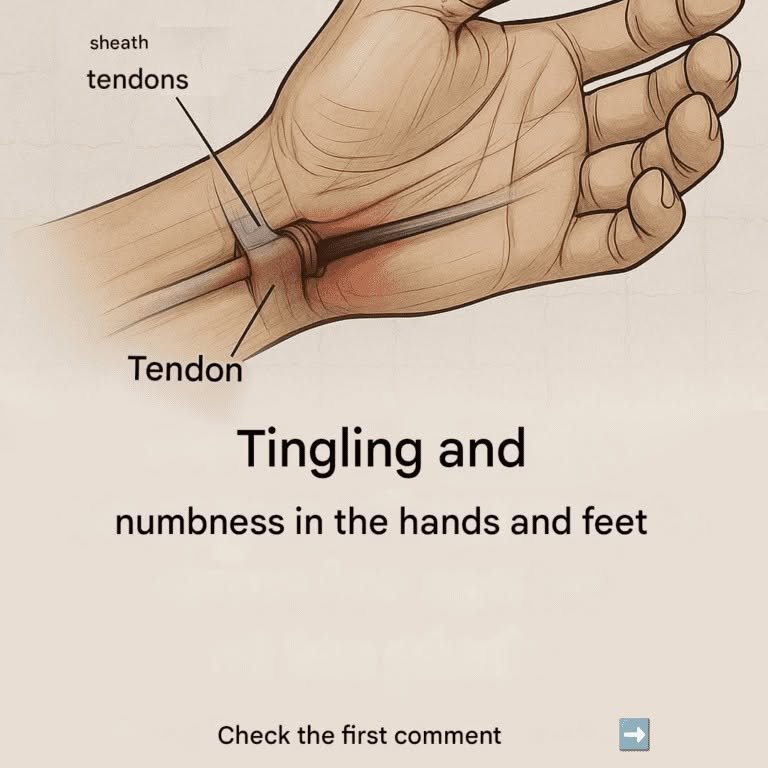
For example, carpal tunnel syndrome occurs when the median nerve is compressed at the wrist. It commonly causes numbness or tingling in:
- The thumb
- Index finger
- Middle finger
- Part of the ring finger
Symptoms may be worse at night or after activities involving repetitive wrist movements.
Another possibility is ulnar nerve compression, which typically affects the little finger and part of the ring finger.
2. Your Neck Could Be Involved
Nerves traveling from the neck into the arms can become irritated or compressed.
A problem involving the cervical spine may cause:
- Numbness or tingling in the hand
- Pain traveling from the neck into the arm
- Shoulder or arm pain
- Muscle weakness
If hand numbness occurs together with significant neck pain or arm weakness, medical evaluation is worthwhile.
3. Diabetes Can Cause Nerve Damage
Long-term high blood sugar can damage peripheral nerves, a condition called diabetic peripheral neuropathy.
It often begins in the feet but can also affect the hands. Numbness may be accompanied by:
- Burning sensations
- Pins and needles
- Reduced sensation
- Pain
- Increased sensitivity to touch
People with diabetes should report new or worsening numbness to their healthcare professional.
4. Vitamin B12 Deficiency Is Another Possibility
Vitamin B12 is important for healthy nerves. A significant deficiency can cause neurological symptoms, including:
- Tingling
- Numbness
- Balance problems
- Weakness
- Fatigue
People following restrictive diets or those with certain digestive or absorption problems may be at increased risk.
Importantly, don’t assume that hand numbness means you need a vitamin supplement. Testing can help identify whether a deficiency is actually present.
5. Poor Position or Temporary Pressure
Sometimes the explanation is very simple.
If you sleep with your arm underneath your body or keep your wrist bent for a long time, a nerve may temporarily become compressed. You may experience pins and needles or numbness that disappears after changing position and restoring normal circulation.
Occasional numbness that quickly resolves is generally less concerning than numbness that repeatedly returns or persists.
6. Circulation Problems Can Cause Numbness
Reduced blood flow to the hand can sometimes produce numbness or tingling. The hand may also become:
- Cold
- Pale or bluish
- Painful
- Weak
Sudden loss of circulation is an emergency, particularly if the hand becomes cold, pale/blue, severely painful, or difficult to move.
When Hand Numbness Is an Emergency
Sudden numbness should be taken seriously when it occurs with other neurological symptoms.
Seek emergency medical attention immediately if sudden hand or arm numbness occurs with:
- Facial drooping
- Trouble speaking or understanding speech
- Sudden severe weakness
- Loss of balance
- Sudden vision problems
- A severe, unusual headache
- Numbness affecting one side of the body
These can be warning signs of a stroke.
Likewise, if numbness occurs with chest pressure/pain, shortness of breath, sweating, or nausea, seek emergency medical care because these can accompany a heart attack.
When Should You See a Doctor?
Make an appointment if your hand numbness:
- Keeps coming back
- Lasts for a long time
- Is getting progressively worse
- Causes weakness or difficulty gripping objects
- Interferes with sleep or daily activities
- Is accompanied by neck or arm pain
- Occurs in both hands without an obvious explanation
A clinician may examine your nerves and circulation and, depending on the situation, consider tests for conditions such as diabetes, vitamin B12 deficiency, thyroid disorders, or nerve compression.
The Bottom Line
Hand numbness isn’t a diagnosis—it is a symptom. It can result from temporary nerve pressure, carpal tunnel syndrome, a neck problem, diabetes, vitamin B12 deficiency, or other conditions.
The most important clues are which fingers are affected, whether one or both hands are numb, how suddenly it started, and whether you have weakness or other neurological symptoms.
If the numbness started suddenly, especially on one side and with facial, speech, balance, or weakness symptoms, treat it as an emergency rather than waiting for it to go away.