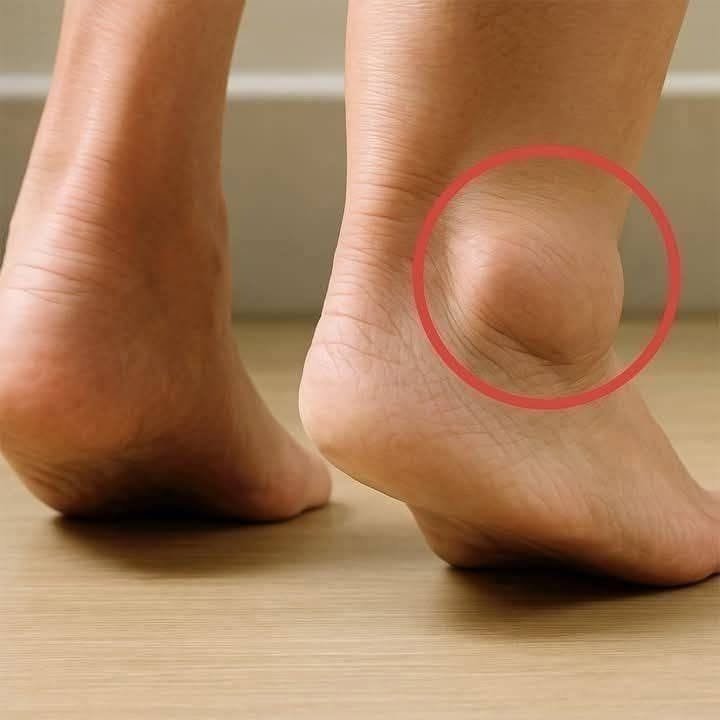
Foot and ankle swelling, medically referred to as peripheral edema, is a common physical symptom characterized by the accumulation of excess fluid in the tissues of the lower extremities. While it is frequently harmless and tied to everyday habits or temporary physical states, it can also serve as a critical diagnostic indicator of underlying systemic or vascular pathologies. Analyzing the root causes requires examining lifestyle factors, physiological shifts, circulatory mechanics, and serious medical emergencies.
Physiological Mechanics of Edema At a cellular level, fluid balance in the lower extremities is maintained by a delicate equilibrium between hydrostatic pressure (which pushes fluid out of the blood vessels and into surrounding tissues) and oncotic pressure (which pulls fluid back into the vessels). When this balance is disrupted—due to increased pressure within the capillaries, increased permeability of blood vessel walls, or a decrease in protein levels in the blood—fluid leaks into the interstitial spaces. Because of gravity, this excess fluid naturally migrates downward, pooling in the feet, ankles, and lower calves.
Lifestyle and Environmental Triggers Many instances of foot swelling are benign and resolve independently through minor adjustments:
-
Prolonged Immobility: Sitting or standing in one position for extended periods, such as during long-haul flights or desk-bound workdays, prevents the calf muscles from contracting. These muscular contractions are vital for acting as a pump to push venous blood and lymphatic fluid back up toward the heart.
-
High Sodium Intake: Consuming excessive dietary salt causes the body to retain water to maintain the proper concentration of sodium in the bloodstream, leading to generalized fluid volume expansion that often settles in the lower extremities.
-
Hormonal Fluctuations and Pregnancy: The body experiences a significant increase in total blood volume and fluid retention during pregnancy. Furthermore, the growing uterus places physical pressure on the large pelvic veins (specifically the inferior vena cava), which temporarily impedes blood return from the legs. Hormonal shifts during the menstrual cycle can also induce temporary water retention.
-
Footwear and Traumatic Strain: Wearing ill-fitting, rigid, or high-heeled shoes constricts normal circulation. Additionally, localized trauma—such as a severe ankle sprain, ligament tear, or hairline fracture—triggers an acute inflammatory response, rushing white blood cells and fluid to the site to initiate healing.
Medication-Induced Swelling Pharmaceutical agents are a frequent culprit in chronic peripheral edema. Certain categories of drugs alter cardiovascular hemodynamics or kidney filtration rates, causing fluid to pool in the lower body:
-
Blood Pressure Medications: Calcium channel blockers (such as amlodipine, nifedipine, and diltiazem) relax blood vessels, often causing fluid to leak into surrounding tissues, particularly in the ankles.
-
Hormonal Therapies: Estrogen- or testosterone-containing medications, including oral contraceptives and hormone replacement therapy, promote renal sodium and water reabsorption.
-
Steroids and NSAIDs: Corticosteroids (like prednisone) and long-term use of nonsteroidal anti-inflammatory drugs (such as ibuprofen or naproxen) interfere with the body’s natural sodium balance and kidney function.
-
Antidepressants: Certain tricyclic antidepressants and MAO inhibitors are known to cause peripheral fluid retention as a secondary metabolic side effect.
Systemic Medical Conditions and Vascular Pathology When foot swelling is persistent, asymmetric, or progressive, it often signals a more serious underlying health condition requiring professional medical evaluation:
-
Chronic Venous Insufficiency (CVI): The veins in the legs contain tiny, one-way valves designed to keep blood moving upward against gravity. When these valves weaken or become damaged, blood flows backward and pools in the lower legs, leading to chronic swelling, skin discoloration, and varicose veins.
-
Congestive Heart Failure: If the heart muscle becomes weakened and fails to pump blood efficiently, blood backs up in the venous system. This increased pressure forces fluid out of the blood vessels and into the surrounding tissues, typically manifesting as bilateral swelling in both feet and legs that worsens by the end of the day.
-
Kidney Disease: The kidneys are responsible for filtering waste and excess fluid from the blood. When renal function is compromised, the body cannot excrete sodium and water properly, leading to systemic fluid overload, swelling in the legs, and puffiness around the eyes.
-
Liver Cirrhosis: Severe liver damage impairs the organ’s ability to produce albumin, a crucial protein that keeps fluid inside the blood vessels. Without adequate albumin, fluid leaks into the tissues, often combining with abdominal swelling (ascites) and leg edema.
-
Blood Clots (Deep Vein Thrombosis – DVT): A blood clot in a deep leg vein obstructs normal blood flow. Unlike heart or kidney-related swelling, a DVT typically causes sudden, painful swelling in only one leg, often accompanied by localized warmth, redness, and tenderness in the calf.
Diagnostic Evaluation and Management Strategies Medical professionals diagnose the root cause of foot swelling through a thorough physical examination, review of medication histories, and diagnostic testing, which may include blood panels, urinalysis, echocardiograms, or venous duplex ultrasounds.
For non-emergency, mild swelling, conservative management techniques offer significant relief:
-
Elevating the feet above the heart level for 15 to 30 minutes several times a day to utilize gravity in draining accumulated fluid.
-
Wearing physician-recommended graduated compression stockings to support venous return.
-
Engaging in regular, low-impact physical exercise, such as walking or swimming, to activate the calf muscle pump.
-
Reducing daily dietary sodium intake and increasing water consumption to flush out retained fluids naturally.
-
Avoiding prolonged periods of standing or sitting without taking brief movement breaks.
Red Flag Symptoms and Urgent Medical Care While mild swelling from a long day on your feet is common, certain accompanying signs demand immediate emergency medical intervention. Go to the nearest emergency department if foot swelling is accompanied by:
-
Sudden, unexplained onset or swelling restricted to only one leg, which may indicate a dangerous blood clot.
-
Chest pain, tightness, pressure, or a rapid, irregular heartbeat.
-
Shortness of breath, difficulty breathing, or an inability to lie flat without coughing or wheezing.
-
Skin that is hot to the touch, red, streaked, or visibly infected (cellulitis).
-
Severe pain or skin that pits deeply when pressed and fails to spring back quickly.
What specific context or duration prompted your interest in foot swelling today?