If You Have These Lines on Your Nails After 40, It Could Be a Sign of Something Important
Nails can reveal clues about what is happening in the body, but one important point should be made clear from the beginning: lines on your nails after 40 are not automatically a sign of a serious disease or a specific vitamin deficiency. Many nail changes are completely harmless and become more common with age. However, certain patterns—especially when they appear suddenly, affect multiple nails, or are accompanied by other symptoms—can deserve attention.
As we get older, our nails naturally change. They may grow more slowly, become drier or more brittle, and develop ridges or variations in texture. The key is learning to distinguish ordinary age-related changes from signs that may warrant medical evaluation.
1. Vertical Lines or Ridges: Often a Normal Part of Aging
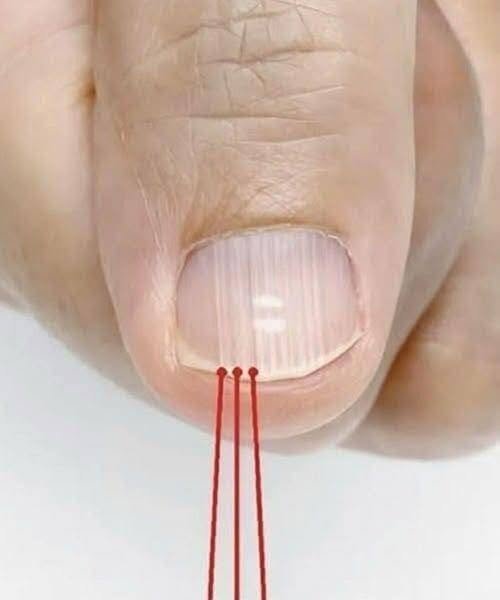
The most common type of nail line is a vertical ridge, sometimes called a longitudinal ridge. These lines run from the base of the nail toward the fingertip.
After 40, it is quite common to notice these ridges becoming more visible. The nail matrix—the area underneath the skin at the base of the nail where the nail is produced—can change gradually with age. This can result in a less perfectly smooth nail surface.
If you have thin vertical lines on several fingernails and otherwise feel healthy, there is usually no reason to panic.
These ridges can become more noticeable because of:
- Normal aging
- Dry nails
- Frequent handwashing
- Repeated exposure to detergents or chemicals
- Minor trauma to the nail
- Changes in nail growth over time
In many people, vertical ridges are simply part of getting older.
However, if the ridges are new, unusually deep, rapidly developing, or associated with changes in nail color or shape, it is worth discussing them with a healthcare professional.
2. Horizontal Lines Are Different
Horizontal lines deserve a little more attention.
Instead of running from the cuticle toward the fingertip, horizontal grooves travel across the nail. These are sometimes calledBeau’s lines.
A Beau’s line can occur when nail growth is temporarily interrupted or slowed. Since fingernails grow relatively slowly, the location of a groove can sometimes provide a rough indication of when the interruption occurred.
Possible causes include:
- A significant illness or infection
- High fever
- Major physical stress
- Surgery
- Severe nutritional problems
- Certain medications
- Significant injury to the nail
- Some chronic medical conditions
This does not mean that a horizontal groove automatically means you have a serious disease. There are many possible explanations, including local injury.
For example, if you repeatedly damage the same nail while doing physical work, a horizontal groove may develop because the nail-producing area was temporarily affected.
The important factor is the overall pattern.
3. One Nail Versus Many Nails Matters
One of the simplest ways to think about nail changes is to ask: Is this happening to one nail or many nails?
If a line appears on only one nail, trauma or a localized nail problem may be more likely.
If similar changes suddenly appear across many nails, it can suggest that something affected nail growth more generally.
That could include a period of illness, significant physiological stress, medication exposure, or nutritional problems.
Again, this is not a diagnosis. Nails should be considered alongside your medical history and other symptoms.
4. Do Vertical Ridges Mean You Are Deficient in Vitamins?
This is a common claim online, but it is much too simplistic.
You may have heard that vertical ridges automatically mean you are deficient in iron, calcium, zinc, or another nutrient. That conclusion cannot be made from nail ridges alone.
Certain nutritional deficiencies can affect the nails, but nail appearance by itself usually cannot identify which nutrient is missing.
For example, iron deficiency can sometimes cause characteristic nail changes, particularly when the deficiency is significant. But a person with ordinary vertical ridges does not necessarily have iron deficiency.
Taking supplements simply because you notice ridges is therefore not always appropriate.
If you have other symptoms—such as persistent fatigue, weakness, unexplained weight changes, changes in appetite, or other concerning signs—a clinician can determine whether blood tests or nutritional evaluation are appropriate.
5. When Nail Lines Could Be Related to Thyroid Problems
Some thyroid disorders can cause changes in the skin, hair, and nails.
People with thyroid problems may experience brittle nails, changes in nail growth, or nails that become thinner or otherwise altered.
But once again, a nail ridge is not a thyroid test.
If nail changes occur alongside symptoms such as unexplained changes in weight, unusual sensitivity to cold or heat, persistent tiredness, changes in heart rate, hair changes, or other systemic symptoms, it may be reasonable to speak with a healthcare professional.
The broader pattern is much more informative than a single line.
6. Dark Vertical Lines Need Special Attention
There is an important distinction between a ridge and a dark line.
A vertical ridge is primarily a change in texture. A dark vertical stripe is a change in pigmentation.
Dark lines or bands under a nail can have many causes. Some are harmless, including normal pigmentation or minor trauma. Certain medications and skin conditions can also cause pigmentation.
However, a new dark band on one nail, especially if it is changing, widening, becoming irregular, or extending onto the surrounding skin, should be evaluated by a healthcare professional.
Rarely, a dark streak beneath a nail can be associated with subungual melanoma, a form of skin cancer that develops in the nail unit.
This is uncommon, but it is one reason you should not automatically dismiss every new dark nail stripe as a vitamin deficiency or simply “aging.”
If you notice a suspicious new dark band, particularly on one nail, getting it checked is the safer approach.
7. Tiny Red or Brown Lines Under the Nail
Another type of nail marking consists of very small red, brown, or reddish-black lines that look like tiny splinters underneath the nail. These are often called splinter hemorrhages.
They can occur after minor trauma. For example, accidentally hitting or pressing the nail can damage tiny blood vessels underneath it.
Sometimes, however, splinter hemorrhages can be associated with medical conditions. When they occur repeatedly, across multiple nails, or alongside other symptoms, they should be discussed with a healthcare professional.
Do not try to diagnose yourself based solely on their appearance.
8. Nail Changes Accompanied by Other Symptoms Are More Significant
A nail change becomes more interesting medically when it occurs alongside other changes in your health.
For example, you should pay closer attention if nail changes occur together with:
- Persistent or unexplained fatigue
- Significant changes in weight
- Shortness of breath
- Persistent swelling
- Changes in skin color
- Unusual hair loss
- Persistent digestive problems
- Recurrent infections
- Fever or unexplained illness
- Changes affecting several nails at once
These symptoms don’t necessarily mean that the nail changes are causing the problem. Instead, they may provide additional clues that something affecting the body is also influencing nail growth.
9. Your Nails Can Also Reflect Everyday Habits
Not every nail problem comes from inside the body.
Your daily routine can have a tremendous effect on your nails.
Frequent exposure to water, cleaning products, nail polish removers, artificial nails, adhesives, and other chemicals can make nails dry and fragile.
Repeated picking, biting, cutting the cuticles, or pushing the cuticles aggressively can also damage the nail-producing structures.
Even seemingly harmless habits can contribute to changes in nail texture over time.
If your nails have become dry or ridged, consider protecting your hands when working with cleaning products and regularly moisturizing your hands and nails.
10. What Healthy Nail Care Looks Like After 40
Taking care of your nails does not require an expensive routine.
Keep your nails clean and reasonably short. Avoid cutting or aggressively pushing back the cuticles because the cuticle provides protection around the nail.
When working with detergents or cleaning chemicals, consider wearing protective gloves.
Moisturizing the hands and nails regularly can also help reduce dryness and brittleness.
If you use nail polish or artificial nails frequently, giving your nails occasional breaks may help you identify whether a product is contributing to irritation or changes.
Most importantly, don’t use nail supplements blindly. Some supplements can be unnecessary or even harmful when taken in excessive amounts.
11. When Should You See a Doctor or Dermatologist?
Consider getting your nails examined if you notice a change that is:
- New and unexplained
- Rapidly worsening
- Affecting several nails unexpectedly
- Associated with pain or swelling
- Associated with significant discoloration
- Causing the nail to separate mistake is to assume that every nail line has one specific meaning. Your nails can provide clues At the same time, it also doesn’t mean every change is a warning sign. Knowing the difference can help you avoid unnecessary worry while still recognizing when professional from the nail bed
- Producing a persistent dark streak
- Associated with changes in the surrounding skin
- Accompanied by other unexplained health symptoms
A dermatologist can examine the nail closely and determine whether the change appears harmless or needs further investigation.
If necessary, a healthcare professional may consider your medical history and, depending on the situation, blood tests or other examinations.
The Bottom Line
If you are over 40 and notice thin vertical lines running from the base of your nails toward the tips, the most likely explanation is often ordinary nail changes associated with aging, dryness, or repeated minor trauma—not automatically a serious disease.
But horizontal grooves, rapidly changing nail abnormalities, unusual discoloration, or new dark lines under a single nail deserve more attention.
The biggest mistake is to assume that every nail line has one specific meaning. Your nails can provide clues, but they cannot diagnose a vitamin deficiency, thyroid disorder, anemia, or another disease by themselves.
So don’t panic when you see ridges. Instead, look at the pattern, timing, number of nails involved, color changes, and other symptoms. If something looks unusual or keeps changing, having it examined is a much better strategy than trying to diagnose it from an internet checklist.
And remember: getting older does not mean you should ignore new changes. At the same time, it also doesn’t mean every change is a warning sign. Knowing the difference can help you avoid unnecessary worry while still recognizing when professional advice is appropriate.