If You Have These 9 Symptoms in Your Feet, It Could Be a Sign of an Underlying Health Problem
Your feet can sometimes provide clues about what’s happening elsewhere in your body. Changes in sensation, skin color, temperature, swelling, wounds, or pain may be caused by something as simple as pressure from shoes—but persistent or unusual changes can also point to problems involving the nerves, blood vessels, circulation, or metabolism.
A foot symptom by itself usually doesn’t diagnose a specific disease. What matters is the pattern, how long it has been present, whether it affects one or both feet, and whether other symptoms occur at the same time.
Here are nine foot changes worth paying attention to.
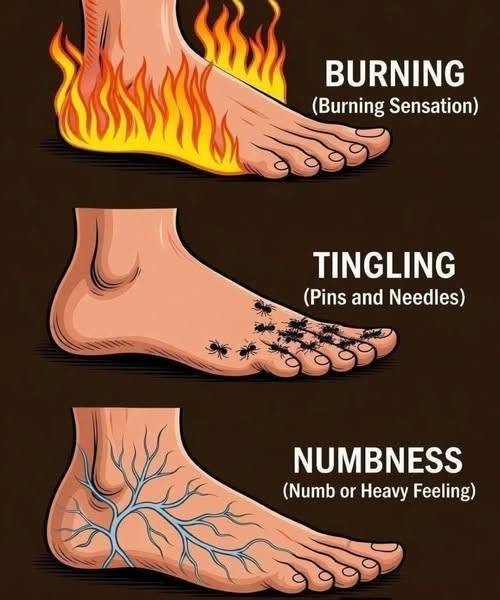
1. Persistent Numbness or Loss of Feeling
Numbness, pins-and-needles, or reduced sensation in the feet can occur when nerves aren’t functioning normally.
One possible cause is peripheral neuropathy, which can be associated with diabetes, alcohol use, vitamin deficiencies, certain medications, nerve compression, and other conditions.
The problem with numb feet is that you may not notice an injury. A blister, cut, or burn that would normally hurt might go unnoticed and become infected.
If numbness is persistent, progressively worsening, or accompanied by weakness, arrange a medical evaluation.
2. Burning or Tingling Feet
A burning sensation—particularly at night—can also be associated with nerve irritation or neuropathy.
People sometimes describe it as feeling as though their feet are hot even when the skin isn’t actually warm.
Possible causes include diabetes, nerve compression, nutritional deficiencies, alcohol-related nerve damage, and certain medications.
Don’t assume that burning feet automatically means diabetes. There are many possible explanations, and testing may be needed to determine the cause.
3. Feet That Become Unusually Cold
Cold feet are often harmless, especially in cold weather.
But feet that remain unusually cold or develop significant temperature differences compared with the other foot can sometimes indicate reduced blood flow.
Peripheral artery disease, for example, can reduce circulation to the legs and feet.
Other possible warning signs include:
- Leg pain when walking
- Weak or absent pulses in the feet
- Pale or bluish skin
- Slow-healing wounds
- Hair loss on the lower legs
If coldness is persistent or occurs together with these symptoms, seek medical advice.
4. Swollen Feet or Ankles
Swelling can happen after standing or sitting for a long time, during hot weather, or after a particularly salty meal.
But persistent or unexplained swelling deserves attention.
Possible causes include:
- Venous insufficiency
- Certain medications
- Kidney problems
- Heart problems
- Liver disease
- Blood clots
- Injury or inflammation
Sudden swelling in one leg, especially when accompanied by pain, warmth, or redness, requires prompt medical assessment because a blood clot is one possible cause.
If swelling is accompanied by sudden shortness of breath or chest pain, seek emergency medical care.
5. A Wound That Won’t Heal
A small cut or blister should normally begin healing.
If a wound on the foot remains open, repeatedly breaks down, or takes an unusually long time to heal, it should not be ignored.
Poor circulation and diabetes can interfere with wound healing. Reduced sensation can also allow repeated pressure or injury to continue without the person realizing it.
Don’t simply cover a persistent wound and hope it disappears.
A healthcare professional should evaluate wounds that aren’t healing normally, particularly if you have diabetes or known circulation problems.
6. Changes in Skin Color
Pay attention to significant changes in the color of your feet.
Depending on the cause, feet may appear:
- Pale
- Bluish
- Purple
- Bright red
- Darkened in certain areas
Color changes can result from temperature, pressure, inflammation, infection, circulation problems, or other conditions.
A foot that suddenly becomes very pale, blue, cold, painful, or numb can indicate an urgent circulation problem.
That’s not something to treat with a home remedy.
7. Cracked Skin and Severe Dryness
Dry, cracked heels are extremely common and are often caused by ordinary skin dryness, environmental conditions, prolonged standing, or footwear.
However, severe dryness combined with other symptoms—particularly numbness, recurrent infections, or wounds—deserves closer attention.
For ordinary dry heels, regular application of a thick moisturizer can help. Products containing urea may be particularly useful for very dry, thickened skin.
Avoid aggressively cutting thick skin yourself, especially if you have reduced sensation or diabetes.
8. Sudden or Severe Foot Pain
Foot pain has countless possible causes, from an injury and arthritis to nerve problems and circulation issues.
But sudden severe pain without an obvious injury deserves attention.
Pain combined with swelling, redness, warmth, fever, or a wound could indicate infection or inflammation.
Severe pain accompanied by a cold, pale, numb, or blue foot can be a medical emergency because circulation may be compromised.
The circumstances surrounding the pain matter.
9. Repeated Changes in the Toenails
Toenails can reveal local problems and, occasionally, broader health issues.
Thick, brittle, yellowish, or distorted nails are commonly associated with fungal nail infections, although other conditions can look similar.
A dark streak under important early warning system. Paying attention to changes and getting persistent problems checked can help identify treatable conditions before they become more a toenail can have harmless causes, including trauma, but a new or changing dark streak should be examined by a healthcare professional to rule out skin cancer such as melanoma.
Don’t assume every unusual nail is a vitamin deficiency. Nail changes have many possible explanations.
What Your Feet Can—and Can’t—Tell You
There are plenty of exaggerated claims online suggesting that a particular foot symptom proves that you have a specific disease.
For example, cold feet aren’t automatically evidence of poor circulation, and burning feet don’t automatically mean diabetes.
The same symptom can have many causes.
Your feet can provide useful clues, but they cannot replace a medical examination or appropriate testing.
When Foot Symptoms Are More Concerning
A symptom deserves more attention when it is:
- New and unexplained
- Persistent or progressively worsening
- Affecting only one foot
- Associated with significant pain
- Accompanied by numbness or weakness
- Associated with a wound or infection
- Accompanied by major color or temperature changes
- Interfering with walking
The combination of symptoms is often more informative than one isolated change.
If You Have Diabetes, Pay Extra Attention
People with diabetes need to take foot health particularly seriously because diabetes can contribute to both nerve damage and circulation problems.
Reduced sensation can make injuries difficult to notice, while impaired healing can allow minor wounds to become serious infections.
If you have diabetes, inspect your feet regularly, wear appropriate footwear, avoid walking barefoot when injury is a concern, and have concerning wounds evaluated promptly.
Don’t wait for a painful wound—neuropathy can reduce the ability to feel pain.
A Simple Daily Foot Check
You don’t need a complicated routine.
Take a moment to look at the tops and bottoms of your feet and between your toes.
Check for:
- Cuts
- Blisters
- Redness
- Swelling
- New discoloration
- Cracks
- Sores
- Changes in the nails
If you have reduced sensation, use your eyes and hands carefully rather than relying on pain to tell you that something is wrong.
Keeping your feet clean and moisturized can also help maintain healthy skin. Avoid putting moisturizer between the toes if that area tends to remain damp.
When to Seek Urgent Medical Care
Some foot symptoms should not wait for a routine appointment.
Seek urgent medical attention for a foot that suddenly becomes cold, pale or blue, severely painful, numb, or weak.
Also seek prompt care for rapidly spreading redness, significant swelling, pus, fever associated with a foot wound, or a serious injury.
If one leg suddenly becomes swollen and painful, particularly with warmth or redness, seek medical assessment for possible blood clot.
And if leg swelling occurs with sudden chest pain or difficulty breathing, seek emergency care immediately.
Final Takeaway
Your feet can sometimes provide early clues that something needs attention, especially when changes persist.
The nine symptoms to watch are:
- Persistent numbness
- Burning or tingling
- Unusually cold feet
- Persistent swelling
- A wound that won’t heal
- Significant skin-color changes
- Severe cracking or dryness
- Sudden or unexplained severe pain
- Unusual or changing toenails
None of these symptoms automatically means you have a serious disease. Context matters.
But persistent or unusual changes shouldn’t be ignored—particularly if you have diabetes, known circulation problems, or multiple symptoms occurring together.
Your feet aren’t a crystal ball for your health, but they can be an important early warning system. Paying attention to changes and getting persistent problems checked can help identify treatable conditions before they become more serious.