BE YOUR OWN DENTAL DETECTIVE: HERE’S HOW TO DEAL WITH TARTAR BUILDUP AT HOME
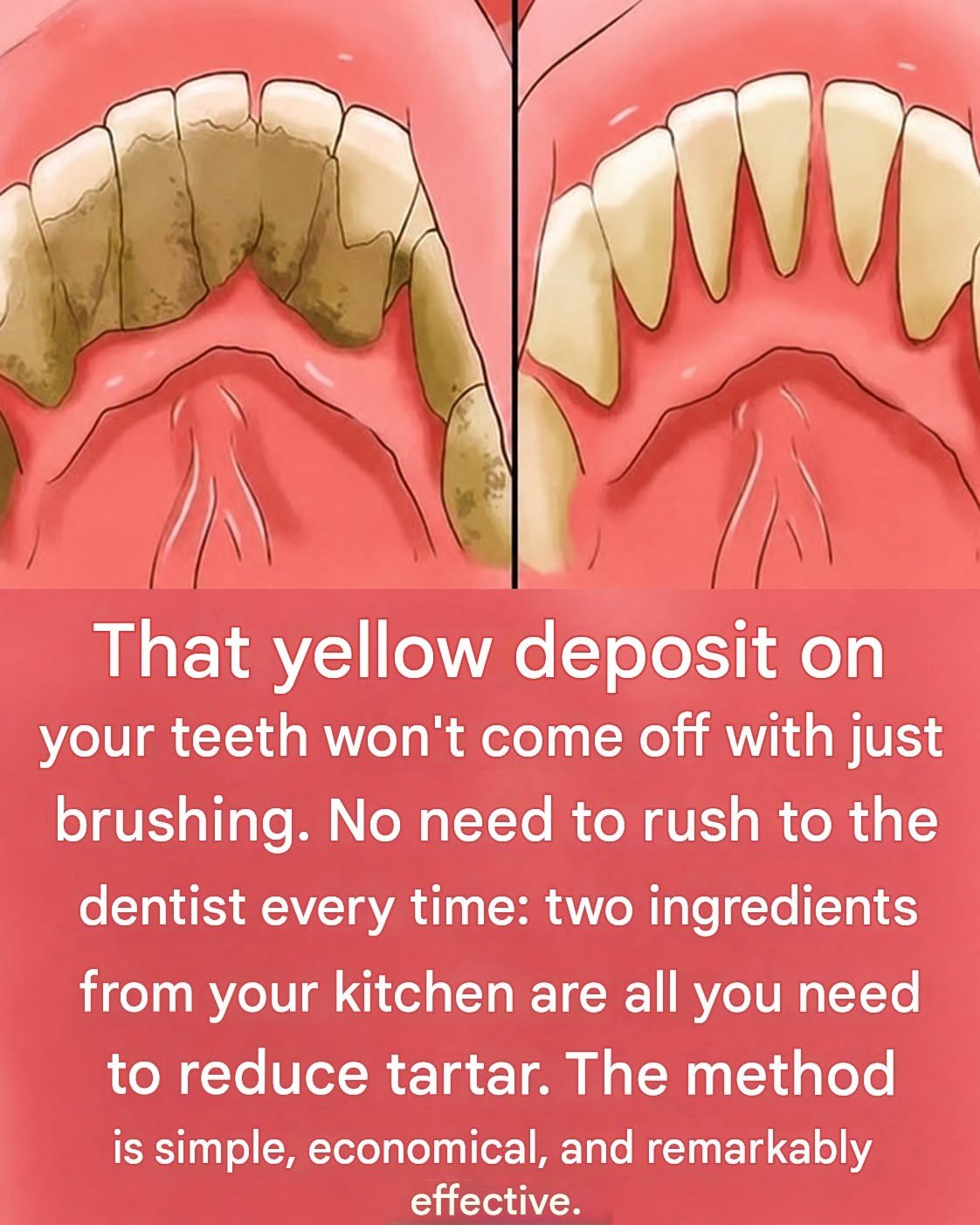
If you notice a hard, yellowish or brown deposit around your teeth, you may be looking at tartar, also called dental calculus.
You might be tempted to scrape it away yourself with a sharp tool or try an aggressive homemade remedy. That’s something you should avoid.
Once plaque hardens into tartar, brushing and flossing generally can’t remove it completely. A dental professional can safely remove hardened deposits using appropriate instruments.
The good news is that there are several things you can do at home to prevent additional tartar from building up and protect your teeth and gums.
1. Brush Twice a Day
One of the simplest ways to reduce plaque buildup is to brush your teeth thoroughly twice a day.
Use fluoride toothpaste and a soft-bristled toothbrush.
Brush gently along the gumline and the surfaces of all your teeth. Scrubbing harder doesn’t necessarily clean better and can irritate your gums or contribute to enamel and gum damage.
2. Clean Between Your Teeth Every Day
A toothbrush can’t effectively clean every space between your teeth.
Floss or use an appropriate interdental cleaner once a day to remove plaque and food particles from areas that are difficult to reach with brushing alone.
Consistent cleaning between the teeth can help prevent plaque from remaining undisturbed long enough to harden.
3. Don’t Try to Scrape Tartar Yourself
This is one of the most important points.
Using pins, knives, fingernails, metal tools, or homemade scraping instruments can damage your gums and potentially scratch tooth surfaces.
You could also cause bleeding or introduce bacteria into injured tissue.
Even if you manage to remove a small piece of buildup, you may not remove the deposits underneath the gumline.
Professional cleaning is safer and more thorough.
4. Be Careful With Acidic Home Remedies
Internet remedies involving lemon juice, vinegar, or other acidic substances are sometimes promoted as ways to dissolve tartar.
They’re not a safe substitute for professional dental cleaning.
Repeated exposure to acids can contribute to tooth enamel erosion.
Likewise, abrasive substances can wear away tooth surfaces when used aggressively.
Something being “natural” doesn’t automatically make it safe for your teeth.
5. Consider an Antiseptic Mouthwash When Appropriate
A therapeutic mouthwash can be useful for certain people, depending on their oral-health needs.
However, mouthwash doesn’t magically dissolve established tartar.
If you’re considering a particular mouthwash, especially one intended to treat gum disease, ask your dentist or dental hygienist whether it’s appropriate for you.
6. Pay Attention to Your Gums
Tartar isn’t only a cosmetic concern.
Plaque and tartar around the gumline can contribute to gum inflammation.
Warning signs include persistent redness, swelling, tenderness, bleeding during brushing, bad breath, or gums that appear to be pulling away from the teeth.
These symptoms deserve a dental assessment.
7. Watch What You Eat and Drink
Frequent exposure to sugary foods and drinks can contribute to plaque-related tooth decay.
You don’t necessarily need to eliminate every sweet food, but limiting frequent sugary snacks and drinks can support better oral health.
Drinking water throughout the day can also help rinse the mouth and support saliva production.
8. Don’t Ignore Bad Breath
Persistent bad breath isn’t always caused by poor brushing.
It can be associated with plaque, gum disease, dental infections, dry mouth, or other conditions.
If bad breath continues despite good oral hygiene, arrange a dental checkup rather than repeatedly masking it with mints or mouthwash.
9. Professional Cleaning Is the Way to Remove Established Tartar
If tartar has already hardened onto your teeth, a dentist or dental hygienist can evaluate it and remove it using appropriate professional instruments.
The frequency of professional cleaning depends on your individual oral health.
People with gum disease or significant tartar buildup may need more frequent care than someone with excellent oral hygiene and minimal buildup.
10. Prevention Is Easier Than Removal
The easiest tartar to deal with is the tartar that never forms.
Brushing twice daily, cleaning between your teeth, using fluoride toothpaste, avoiding tobacco, maintaining a balanced diet, and attending recommended dental appointments can all help protect your teeth and gums.
THE BOTTOM LINE
You can control plaque buildup at home, but hardened tartar generally needs professional removal.
Don’t try to chip or scrape tartar off your teeth with household objects. You could damage your enamel or gums without solving the underlying problem.
Instead, focus on daily brushing and interdental cleaning, and see a dentist if you already have hard deposits, bleeding gums, persistent bad breath, tooth pain, or other signs of dental disease.
A few minutes of proper oral care every day is much safer—and more effective—than trying a risky DIY dental procedure.