Boroline Cream for Skin: What It Can and Can’t Do
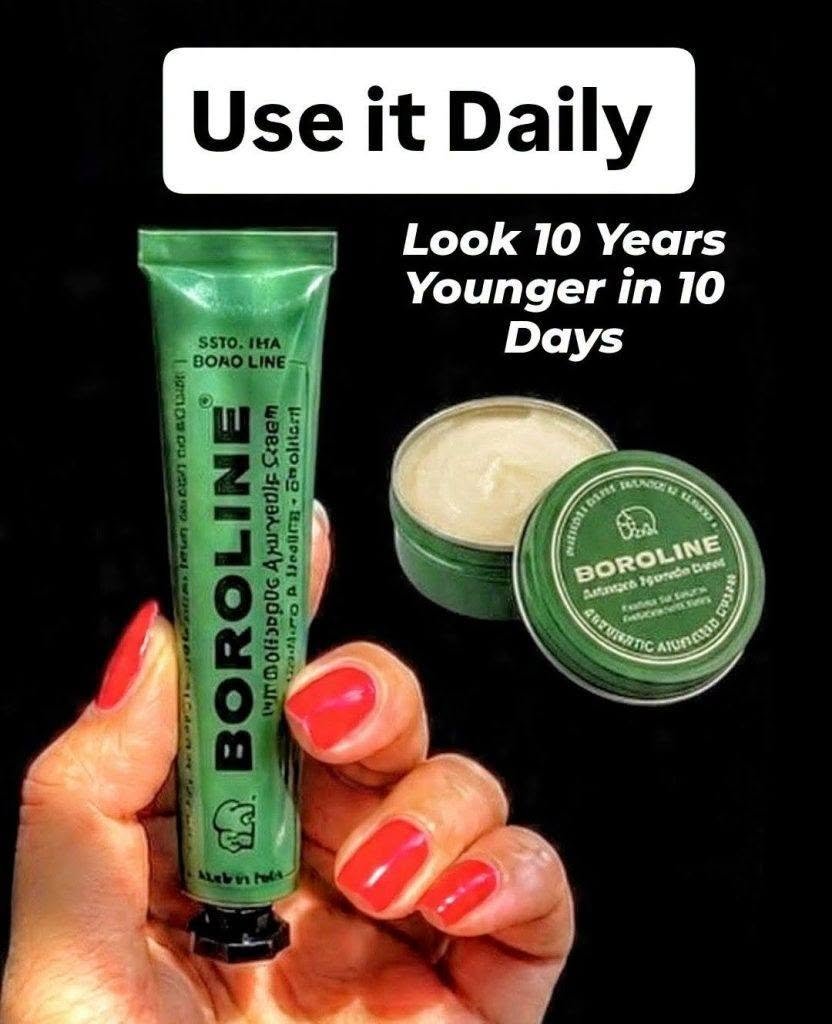
Boroline is a traditional Indian antiseptic cream commonly used for dry, rough, chapped, or irritated skin. It contains ingredients including boric acid, zinc oxide, and a moisturizing base.
Common uses
- Dry, cracked skin: Can help soften and protect rough areas such as heels, elbows, and hands.
- Chapped lips: A small amount may help reduce dryness and protect the skin barrier.
- Minor skin irritation: Its protective and antiseptic properties may be useful for some minor skin problems.
- Small superficial cuts or abrasions: It may be used for minor injuries according to the product directions, but it or applying it to large areas of broken, infected, or severelyashes, unexplained spots, infections, or changing skin lesions, it’s better to get the cause diagnosed rather than repeatedly applying a home remedy shouldn’t replace proper wound care.
What about the face?
Some people use Boroline as an overnight moisturizer, but that doesn’t mean it’s ideal for every face.
If you have oily or acne-prone skin, a heavy ointment may feel greasy and could potentially contribute to clogged pores in some people.
It’s also better not to use it as a DIY treatment for dark spots, wrinkles, acne scars, or other persistent skin conditions without knowing what is causing the problem.
Be careful with sensitive areas
Avoid getting it into the eyes or applying it to large areas of broken, infected, or severely irritated skin unless a healthcare professional recommends it.
If you develop burning, swelling, a rash, or worsening irritation, discontinue use.
Bottom line
Boroline can be useful as a protective, moisturizing cream for certain types of dry or irritated skin, but it’s not a miracle cure for every skin problem. For persistent rashes, unexplained spots, infections, or changing skin lesions, it’s better to get the cause diagnosed rather than repeatedly applying a home remedy.