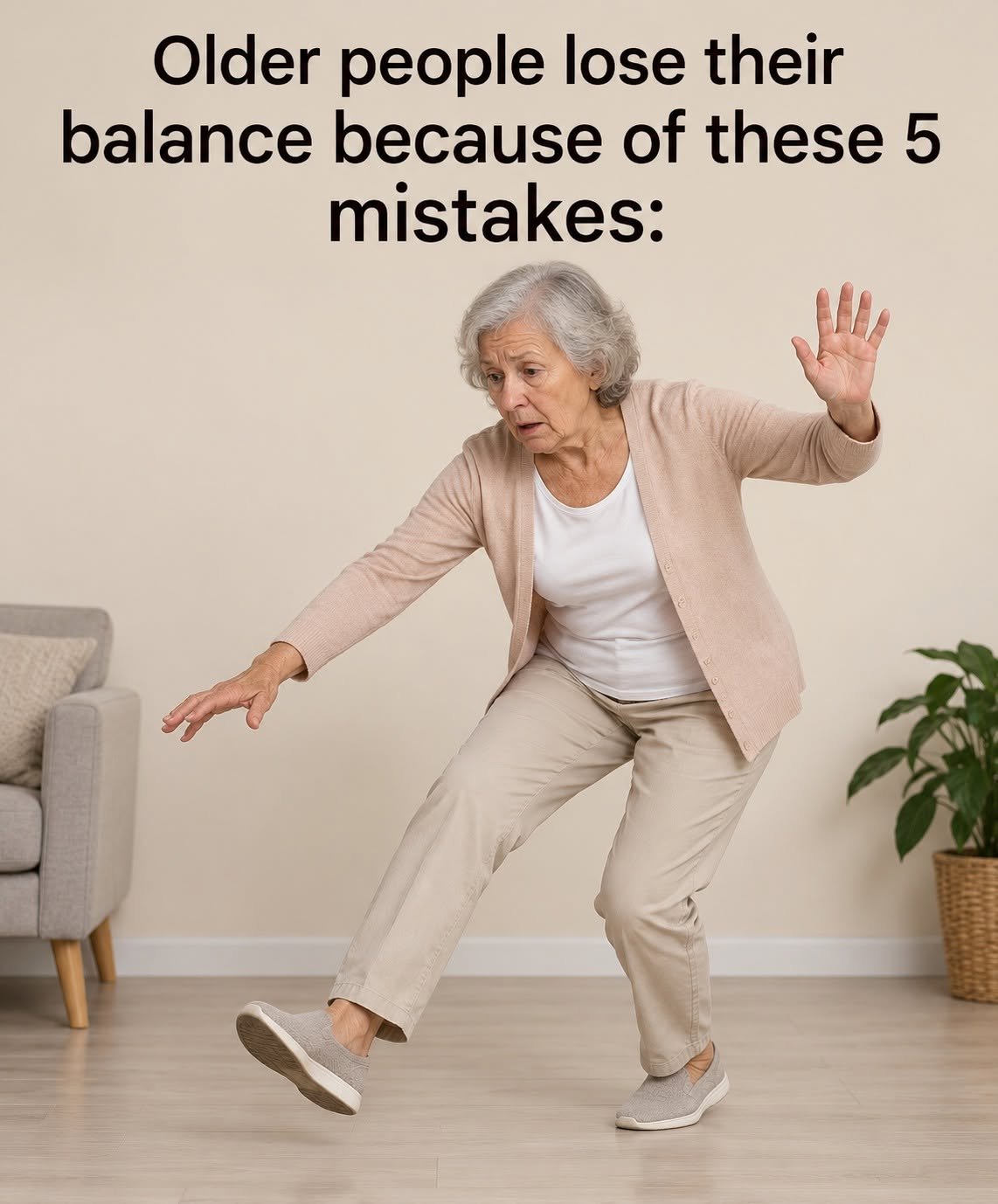
5 Common Mistakes That Can Affect Balance in Older Adults
As we get older, changes in muscle strength, flexibility, vision, sensation, and reaction time can affect how steadily we stand and walk. Certain medications and health conditions can also contribute to dizziness or balance problems.
The good news is that some everyday habits can make balance more difficult than it needs to be.
Recognizing these common mistakes can help older adults create a safer environment, stay active, and know when it’s time to talk with a healthcare professional.
1. Avoiding Physical Activity
One of the biggest mistakes is becoming too inactive because of a fear of falling.
It may seem logical: if you’re worried about losing your balance, perhaps staying seated or avoiding walks is safer.
Unfortunately, too much inactivity can lead to weaker muscles, reduced flexibility, and poorer physical confidence. Those changes can make everyday movements more challenging.
Regular physical activity can help maintain the strength and coordination needed for walking, standing, turning, and climbing stairs.
What can help?
Choose activities appropriate for your current ability.
Walking, strength exercises, water-based exercise, and balance-focused activities can all be useful.
Simple exercises such as repeatedly standing up from a sturdy chair can help work the muscles needed for everyday movement.
Balance exercises can include activities such as standing near a stable countertop while practicing controlled movements.
If you’re already experiencing significant balance problems, work with a healthcare professional or physical therapist to identify exercises that are appropriate for you.
The goal isn’t to perform difficult exercises.
The goal is to maintain the physical abilities you use in everyday life.
2. Wearing Unsafe Footwear
Shoes can have a surprisingly large effect on stability.
Loose slippers, worn-out soles, high heels, or shoes that don’t fit properly can make it harder to maintain secure contact with the ground.
Walking around in socks on smooth floors can also increase the risk of slipping.
Choose supportive footwear
Look for shoes that:
- Fit securely
- Have a stable sole
- Provide adequate support
- Have good traction
- Don’t easily slip off the foot
- Are appropriate for the activity and surface
Comfort matters, but stability matters too.
If your shoes are worn unevenly, check the soles and consider replacing them.
Good footwear can’t eliminate the risk of falling, but it can remove one avoidable source of instability.
3. Ignoring Vision Problems
Your eyes provide important information about where your body is in relation to the environment.
If your vision is blurry or you have difficulty seeing obstacles, steps, changes in flooring, or objects in your path, maintaining balance can become harder.
Older adults should keep up with recommended eye examinations and make sure their glasses or contact lenses are appropriate for their needs.
Make your home easier to see
Good lighting can also make a difference.
Use adequate lighting in hallways, stairways, bathrooms, and bedrooms.
Keep frequently used pathways clear.
Night-lights can be helpful if you regularly get up during the night.
Don’t underestimate small obstacles. A loose rug, electrical cord, pet toy, or cluttered walkway can become a significant tripping hazard.
4. Getting Up Too Quickly
Feeling unsteady after standing up can sometimes happen when blood pressure drops suddenly after changing position.
This is known as orthostatic hypotension.
It can cause lightheadedness, dizziness, weakness, or even fainting and may increase the risk of a fall.
Older adults may be more susceptible, particularly if they take certain medications or have underlying health conditions.
A safer habit
When getting out of bed or standing after sitting for a long time, take your time.
Sit at the edge of the bed for a moment.
Move your feet and ankles.
Stand slowly while holding a stable surface if needed.
Give yourself a moment to make sure you feel steady before walking.
If you frequently feel dizzy or lightheaded when standing, don’t simply assume it’s a normal part of aging.
Talk with a healthcare professional.
They can determine whether medication, dehydration, blood pressure changes, or another issue may be contributing.
5. Overlooking Medications and Health Conditions
Sometimes balance problems aren’t caused by a simple lifestyle mistake.
Certain medications can cause side effects such as dizziness, drowsiness, weakness, or changes in blood pressure.
Taking multiple medications can also increase the possibility of side effects or interactions.
Health conditions affecting the nervous system, inner ear, muscles, joints, heart, or vision can also influence balance.
That’s why new or worsening balance problems deserve attention.
Review medications with a professional
Don’t stop taking prescribed medication on your own.
Instead, ask your doctor or pharmacist to review your medications if you’ve noticed new dizziness, sleepiness, weakness, or unsteadiness.
They can determine whether a medication could be contributing and whether any adjustments are appropriate.
Other Factors That Can Affect Balance
The five mistakes above aren’t the only things worth considering.
Several other factors can influence stability.
Dehydration
Not drinking enough fluids can contribute to weakness, dizziness, and low blood pressure in some people.
Unless you’ve been told to restrict fluids for a medical reason, maintain regular hydration throughout the day.
Poor nutrition
Your muscles need adequate nutrition to function properly.
A balanced diet containing sufficient protein, fruits, vegetables, whole grains, and other nutrient-rich foods can support overall health.
Lack of sleep
Being tired can affect attention, reaction time, and coordination.
A consistent sleep routine can help you stay more alert during the day.
Fear of falling
Fear itself can change the way someone moves.
A person who is afraid of falling may begin taking very small steps, stiffening their body, avoiding movement, or relying excessively on furniture.
Over time, this can contribute to reduced confidence and physical conditioning.
A supervised exercise program can help rebuild strength and confidence safely.
Simple Ways to Make Your Home Safer
You don’t need to completely remodel your home to reduce common hazards.
Start with the areas you use most frequently.
In the bathroom
Consider installing grab bars where appropriate.
Use nonslip surfaces and make sure the floor stays as dry as possible.
A shower chair may be useful for someone who has difficulty standing safely for long periods.
On the stairs
Make sure stairways are well lit.
Keep steps clear of objects.
Use handrails and avoid carrying items that prevent you from holding the railing.
In the bedroom
Keep a lamp or other light source within easy reach.
If you regularly get up at night, consider using a night-light between the bed and bathroom.
Around the house
Remove loose rugs or secure them appropriately.
Keep cords out of walking paths.
Clean up spills promptly.
Arrange furniture so there is enough room to walk comfortably.
When Should You Talk to a Healthcare Professional?
Balance changes shouldn’t automatically be dismissed as a normal part of getting older.
Talk with a healthcare professional if you notice:
- New or worsening unsteadiness
- Repeated falls
- Frequent dizziness
- Episodes of fainting
- Difficulty walking
- New weakness
- Numbness or changes in sensation
- Problems with coordination
- A significant change in the way you walk
A healthcare professional can look for possible causes and may recommend physical therapy, medication review, vision assessment, or other appropriate evaluation.
Seek urgent medical attention for sudden symptoms
A sudden loss of balance accompanied by symptoms such as facial drooping, difficulty speaking, severe weakness, confusion, or sudden vision changes can be a medical emergency.
Don’t wait to see whether those symptoms disappear.
Balance Can Be Improved at Any Age
Getting older doesn’t mean you have to accept declining balance as inevitable.
Some age-related changes are natural, but strength, mobility, and physical confidence can often be supported through appropriate activity and good habits.
The key is to work within your abilities rather than trying to prove how much you can do.
Start with manageable activities.
Use support when necessary.
Progress gradually.
And if you’re unsure whether an exercise is safe for you, ask a healthcare professional or physical therapist for guidance.
Final Thoughts
Balance is influenced by much more than simply getting older.
Inactivity, unstable footwear, poor lighting, untreated vision problems, standing too quickly, medications, and underlying health conditions can all contribute to feeling unsteady.
The good news is that many risks can be addressed.
Stay appropriately active, keep your home well lit and free of common hazards, wear stable footwear, take your time when changing positions, and discuss persistent balance problems with a healthcare professional.
Most importantly, don’t ignore a significant change in your balance.
Sometimes unsteadiness is simply a sign that you need to work on strength and mobility. Other times, it can be a clue that something else needs attention.
Taking balance seriously isn’t about being afraid of falling.
It’s about giving yourself the best possible chance to remain strong, mobile, independent, and confident as you age.