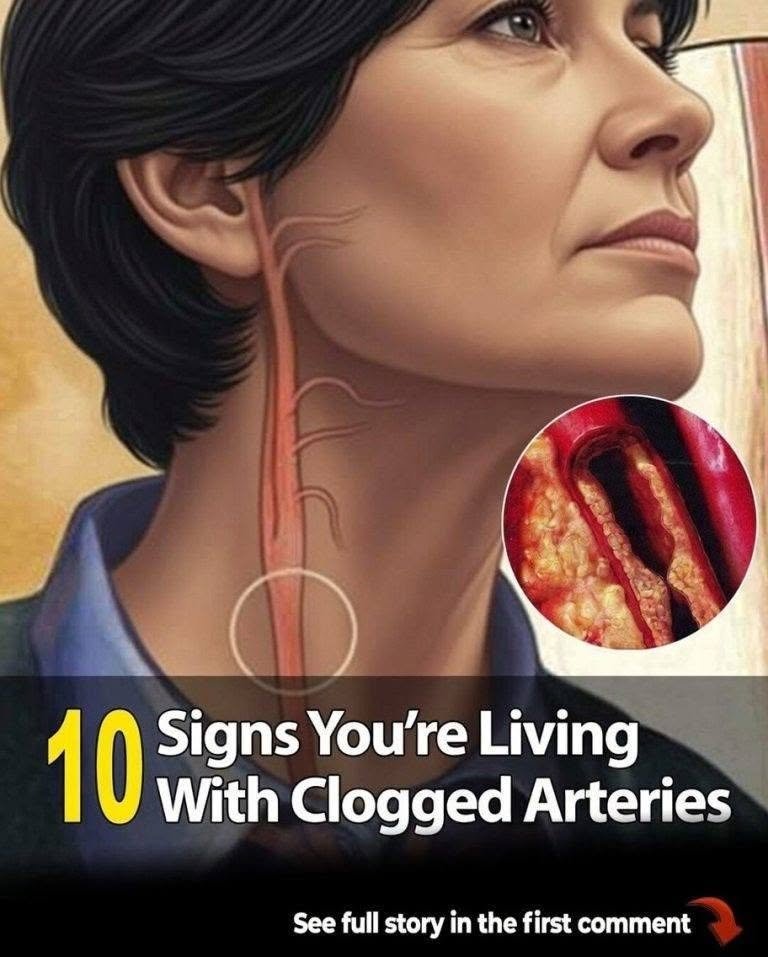
10 Indicators of Blocked Arteries You Shouldn’t Ignore
Blocked arteries are usually caused by a buildup of plaque inside the blood vessels, a process called atherosclerosis. Plaque is made up of cholesterol, fats, calcium, and other substances. Over time, it can narrow the arteries and reduce blood flow to the heart, brain, legs, or other organs.
One of the most important things to understand is that blocked arteries may cause no symptoms at all until the narrowing becomes significant or a blood clot suddenly blocks the vessel. Therefore, symptoms should not be used as the only way to determine whether someone has artery disease.
Here are 10 warning signs that deserve attention.
1. Chest Pressure, Tightness, or Pain
One of the most important symptoms of reduced blood flow to the heart is chest discomfort.
People may describe it as pressure, squeezing, heaviness, tightness, burning, or an uncomfortable fullness rather than sharp pain. It may occur when walking, climbing stairs, exercising, or experiencing emotional stress and improve after resting.
This pattern can occur with angina, which happens when the heart muscle does not receive enough oxygen-rich blood.
Chest discomfort should never automatically be blamed on indigestion or gas, particularly when it occurs with exertion.
2. Shortness of Breath
If the arteries supplying the heart become significantly narrowed, the heart may struggle to receive enough oxygen during activity. This can result in shortness of breath, especially while walking, climbing stairs, or exercising.
Shortness of breath has many possible causes, including lung disease, anemia, infection, obesity, and heart conditions, so it does not prove that arteries are blocked.
However, unexplained or progressively worsening breathlessness deserves medical assessment.
If severe breathing difficulty develops suddenly, particularly with chest discomfort, sweating, faintness, or nausea, seek emergency medical help.
3. Pain or Cramping in the Legs While Walking
Blocked arteries can also affect blood flow to the legs. This condition is called peripheral artery disease (PAD).
A classic symptom is claudication—aching, cramping, heaviness, or tiredness in the calf, thigh, or buttock that develops while walking and improves after resting.
For example, someone might repeatedly experience calf pain after walking a certain distance, only for the discomfort to disappear after a few minutes of rest.
This pattern can indicate inadequate blood flow through the leg arteries and should be evaluated by a healthcare professional.
4. Cold Feet or Legs
Reduced circulation to the legs can sometimes make one foot or leg feel noticeably colder than the other.
Cold feet by themselves are extremely common and can result from environmental temperature, normal variation, anxiety, or other conditions. But persistent or significant temperature differences, especially when accompanied by pain, numbness, skin changes, or weak pulses, may indicate reduced arterial blood flow.
Sudden coldness of one limb is much more concerning and requires urgent medical evaluation.
5. Numbness or Weakness
Reduced blood flow can cause symptoms such as numbness, weakness, or unusual sensations, particularly in the legs.
More importantly, sudden numbness or weakness involving the face, arm, or leg—especially on one side of the body—can indicate a stroke rather than simply “poor circulation.”
A sudden inability to speak clearly, facial drooping, severe imbalance, or sudden vision changes is an emergency. Do not wait for the symptom to disappear.
6. Slow-Healing Wounds on the Feet or Legs
Adequate blood flow is important for delivering oxygen and nutrients required for tissue repair.
People with significant peripheral artery disease may develop wounds or sores on the feet or lower legs that heal unusually slowly.
A small cut that repeatedly fails to heal, particularly in someone who also has diabetes or a history of smoking, should not be ignored.
Severe reduction in blood flow can eventually threaten tissue, making prompt medical evaluation particularly important.
7. Changes in Skin Color
Poor arterial circulation can sometimes produce changes in the appearance of the skin.
A foot or leg may appear unusually pale, bluish, or otherwise different from the other limb. The skin may also become thin, shiny, or lose hair in advanced peripheral artery disease.
These changes are not specific to blocked arteries, but when they occur alongside leg pain, coldness, numbness, or poorly healing wounds, they deserve medical attention.
8. Erectile Dysfunction
In some men, erectile dysfunction (ED) can be an early sign of blood-vessel disease.
An erection depends partly on adequate blood flow. The arteries involved in erectile function are relatively small, so vascular problems may become apparent there before more serious cardiovascular symptoms develop.
Erectile dysfunction can have many other causes—including hormonal problems, medications, psychological factors, diabetes, and nerve disorders—so it does not automatically mean that someone has blocked heart arteries.
Nevertheless, persistent unexplained ED is worth discussing with a healthcare professional, particularly when cardiovascular risk factors are present.
9. Unusual Fatigue or Reduced Exercise Capacity
A noticeable decline in your ability to perform activities that were previously comfortable can sometimes be a warning sign of cardiovascular disease.
For example, you may become unusually tired or breathless while doing ordinary activities that previously caused no problem.
This symptom is nonspecific and can occur with many conditions, including anemia, thyroid disorders, poor sleep, infection, lung disease, and lack of fitness.
However, new or unexplained exercise intolerance, especially when accompanied by chest discomfort, breathlessness, dizziness, or palpitations, should be assessed rather than dismissed as simply getting older.
10. Dizziness, Fainting, or Sudden Neurological Symptoms
Reduced blood flow to the brain or a problem involving the cardiovascular system can sometimes cause dizziness or fainting.
But sudden neurological symptoms are particularly important. Warning signs include:
- Sudden weakness or numbness on one side
- Facial drooping
- Difficulty speaking or understanding speech
- Sudden loss or blurring of vision
- Sudden severe dizziness or loss of balance
- A sudden, severe headache with neurological symptoms
These can be symptoms of a stroke or transient ischemic attack (TIA) and require emergency medical attention.
A Critical Point: Blocked Arteries Can Have No Symptoms
Perhaps the most important warning is that you can have significant atherosclerosis without feeling anything unusual.
Some people discover coronary artery disease only after testing for risk factors, while others may first become aware of it when they experience a heart attack.
That is why controlling cardiovascular risk factors is so important even when you feel healthy.
Important risk factors include:
- High LDL (“bad”) cholesterol
- High blood pressure
- Diabetes
- Smoking
- Obesity
- Physical inactivity
- Family history of premature cardiovascular disease
- Increasing age
- Certain chronic inflammatory conditions
When Is Chest Pain an Emergency?
Do not wait for a home remedy or routine appointment if you develop new, severe, persistent, or unexplained chest pressure or pain, particularly if it spreads to the arm, shoulder, back, neck, or jaw.
Emergency symptoms can also include:
- Shortness of breath
- Cold sweating
- Nausea or vomiting
- Fainting or severe weakness
- A feeling of impending doom
Heart attacks do not always look like dramatic, crushing chest pain. Symptoms can be milder or different, particularly in women, older adults, and people with diabetes.
If you suspect a heart attack or stroke, seek emergency medical care immediately.
How Are Blocked Arteries Diagnosed?
Symptoms alone cannot confirm an arterial blockage. A healthcare professional may evaluate your medical history, blood pressure, cholesterol, blood sugar, and physical examination findings.
Depending on the suspected location and severity, tests may include an ankle-brachial index (ABI) for leg circulation, an electrocardiogram, stress testing, ultrasound, CT angiography, or other vascular imaging.
The appropriate test depends on your symptoms and risk factors.
Can Blocked Arteries Be Prevented or Managed?
Atherosclerosis can often be slowed by addressing cardiovascular risk factors.
Important measures include maintaining a healthy diet, exercising regularly, avoiding tobacco, managing blood pressure and diabetes, maintaining a healthy weight, and treating abnormal cholesterol when appropriate.
If a doctor prescribes medication for cholesterol, blood pressure, diabetes, or another cardiovascular risk factor, taking it as directed can be an important part of reducing future cardiovascular risk.
Final Takeaway
The 10 symptoms worth paying attention to are:
- Chest pressure or pain
- Shortness of breath
- Leg pain or cramping during walking
- Unusually cold feet or legs
- Numbness or weakness
- Slow-healing wounds
- Unusual skin-color changes
- Persistent erectile dysfunction
- Unexplained fatigue or reduced exercise tolerance
- Dizziness, fainting, or sudden neurological symptoms
None of these symptoms alone proves that an artery is blocked, and many have other possible explanations. But new, persistent, worsening, or exertional symptoms deserve medical evaluation.
Most importantly, sudden chest pain, severe breathing difficulty, or stroke-like symptoms should be treated as an emergency, not as ordinary “poor circulation.”