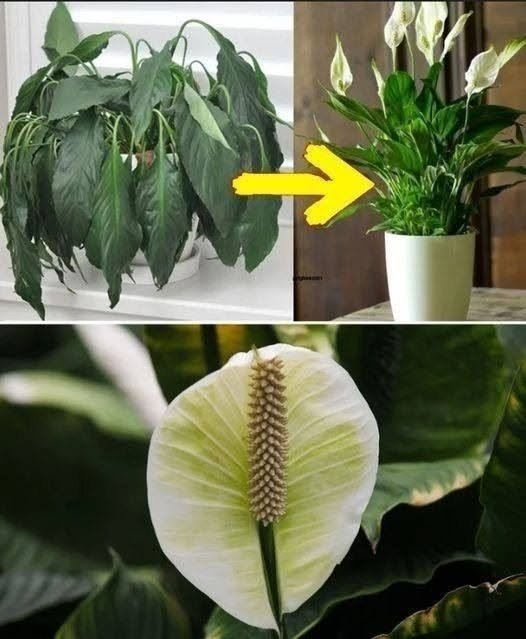
Here’s the detail first: there isn’t one magic tablespoon ingredient that can reliably make a struggling plant bloom again. Viral gardening recipes often recommend adding kitchen ingredients directly to potting soil, but too much fertilizer, salt, baking soda, vinegar, or other household products can actually damage roots. The best “recipe” depends on what is wrong with the plant.
1. Start With the Plant’s Basic Needs
Before adding anything to the pot, check the three biggest factors affecting flowering:
- Light: Many flowering plants need several hours of bright light to produce buds.
- Water: Keep the soil appropriately moist for the particular plant, but don’t leave roots sitting in water.
- Drainage: The pot must have drainage holes so excess water can escape.
A plant that isn’t flowering may simply need better light or a change in watering—not a homemade fertilizer.
2. If You Want a Simple Feeding Recipe
For an established potted flowering plant, the safer approach is to use a commercial fertilizer formulated for that type of plant, following the label directions.
Don’t automatically add one tablespoon of fertilizer. Concentrated fertilizer can burn roots if applied too heavily.
If the plant is already stressed, correct watering and lighting problems before fertilizing.
3. Don’t Pour Baking Soda Into the Pot
Baking soda is frequently promoted online as a flowering booster.
It isn’t a universal plant fertilizer, and repeatedly adding sodium bicarbonate to soil can alter soil chemistry and contribute sodium accumulation.
More isn’t better.
4. Be Careful With Coffee Grounds
Used coffee grounds are often described as a natural fertilizer, but putting a thick layer directly into a small pot can cause problems with moisture, mold, and soil structure.
If you want to use compost or organic amendments, incorporate properly prepared material into the potting mix rather than dumping kitchen waste onto the soil surface.
5. Banana Peels Aren’t a Magic Bloom Booster
Banana peels contain nutrients, but placing a fresh peel directly in a flowerpot isn’t an efficient or predictable way to fertilize a plant.
As the peel decomposes, it can attract insects and create unpleasant odors.
A properly made compost or an appropriate plant fertilizer is much more predictable.
6. Remove Spent Flowers
If your plant is healthy but has finished flowering, deadheading can encourage some plants to produce additional flowers.
Remove faded blooms according to the plant’s pruning requirements.
This is particularly useful for many ornamental flowering plants, although some species flower better when left alone.
7. Check the Roots
If the plant is wilting despite adequate watering, smells bad around the soil, or has yellowing leaves, inspect the roots if appropriate.
Brown, mushy roots can indicate root rot, often associated with excessively wet soil and poor drainage.
Adding fertilizer to a plant suffering from root problems can make matters worse.
8. Don’t Fertilize a Severely Stressed Plant
If the leaves are badly wilted, the roots are damaged, or the plant has a serious pest or disease problem, fertilizer isn’t necessarily the answer.
First identify and correct the underlying problem.
A struggling plant can be particularly sensitive to concentrated nutrients.
9. Look for Pests
Check the undersides of leaves and new growth for:
- Aphids
- Spider mites
- Whiteflies
- Scale insects
- Thrips
Pests can weaken a plant enough to reduce or completely stop flowering.
Treating the pest problem is more useful than adding a mystery ingredient to the soil.
10. The “One Tablespoon” Claim
The most important thing to remember is that plant species matter.
A tablespoon of something that is harmless in one large garden bed could be far too concentrated for a small houseplant.
The correct treatment depends on:
plant species + pot size + soil type + light + watering + symptoms.
A Better Recipe for Getting Flowers Back
If you want a simple routine:
Step 1: Move the plant to the appropriate amount of light.
Step 2: Water according to the plant’s needs and allow excess water to drain.
Step 3: Remove dead or diseased foliage and spent flowers when appropriate.
Step 4: Check carefully for pests.
Step 5: Once the plant is actively growing and healthy, use a suitable fertilizer according to its label.
Final Takeaway
That mysterious “1 tablespoon directly into the pot” trick may make a compelling gardening headline, but there is no universal household ingredient that reliably restores flowering.
If you tell me the name of your plant (or upload a photo), the pot size, and what the leaves currently look like, I can give you a much more specific recipe and care routine without risking root damage.
Here’s the detail first: there isn’t one magic tablespoon ingredient that can reliably make a struggling plant bloom again. Viral gardening recipes often recommend adding kitchen ingredients directly to potting soil, but too much fertilizer, salt, baking soda, vinegar, or other household products can actually damage roots. The best “recipe” depends on what is wrong with the plant.
1. Start With the Plant’s Basic Needs
Before adding anything to the pot, check the three biggest factors affecting flowering:
- Light: Many flowering plants need several hours of bright light to produce buds.
- Water: Keep the soil appropriately moist for the particular plant, but don’t leave roots sitting in water.
- Drainage: The pot must have drainage holes so excess water can escape.
A plant that isn’t flowering may simply need better light or a change in watering—not a homemade fertilizer.
2. If You Want a Simple Feeding Recipe
For an established potted flowering plant, the safer approach is to use a commercial fertilizer formulated for that type of plant, following the label directions.
Don’t automatically add one tablespoon of fertilizer. Concentrated fertilizer can burn roots if applied too heavily.
If the plant is already stressed, correct watering and lighting problems before fertilizing.
3. Don’t Pour Baking Soda Into the Pot
Baking soda is frequently promoted online as a flowering booster.
It isn’t a universal plant fertilizer, and repeatedly adding sodium bicarbonate to soil can alter soil chemistry and contribute sodium accumulation.
More isn’t better.
4. Be Careful With Coffee Grounds
Used coffee grounds are often described as a natural fertilizer, but putting a thick layer directly into a small pot can cause problems with moisture, mold, and soil structure.
If you want to use compost or organic amendments, incorporate properly prepared material into the potting mix rather than dumping kitchen waste onto the soil surface.
5. Banana Peels Aren’t a Magic Bloom Booster
Banana peels contain nutrients, but placing a fresh peel directly in a flowerpot isn’t an efficient or predictable way to fertilize a plant.
As the peel decomposes, it can attract insects and create unpleasant odors.
A properly made compost or an appropriate plant fertilizer is much more predictable.
6. Remove Spent Flowers
If your plant is healthy but has finished flowering, deadheading can encourage some plants to produce additional flowers.
Remove faded blooms according to the plant’s pruning requirements.
This is particularly useful for many ornamental flowering plants, although some species flower better when left alone.
7. Check the Roots
If the plant is wilting despite adequate watering, smells bad around the soil, or has yellowing leaves, inspect the roots if appropriate.
Brown, mushy roots can indicate root rot, often associated with excessively wet soil and poor drainage.
Adding fertilizer to a plant suffering from root problems can make matters worse.
8. Don’t Fertilize a Severely Stressed Plant
If the leaves are badly wilted, the roots are damaged, or the plant has a serious pest or disease problem, fertilizer isn’t necessarily the answer.
First identify and correct the underlying problem.
A struggling plant can be particularly sensitive to concentrated nutrients.
9. Look for Pests
Check the undersides of leaves and new growth for:
- Aphids
- Spider mites
- Whiteflies
- Scale insects
- Thrips
Pests can weaken a plant enough to reduce or completely stop flowering.
Treating the pest problem is more useful than adding a mystery ingredient to the soil.
10. The “One Tablespoon” Claim
The most important thing to remember is that plant species matter.
A tablespoon of something that is harmless in one large garden bed could be far too concentrated for a small houseplant.
The correct treatment depends on:
plant species + pot size + soil type + light + watering + symptoms.
A Better Recipe for Getting Flowers Back
If you want a simple routine:
Step 1: Move the plant to the appropriate amount of light.
Step 2: Water according to the plant’s needs and allow excess water to drain.
Step 3: Remove dead or diseased foliage and spent flowers when appropriate.
Step 4: Check carefully for pests.
Step 5: Once the plant is actively growing and healthy, use a suitable fertilizer according to its label.
Final Takeaway
That mysterious “1 tablespoon directly into the pot” trick may make a compelling gardening headline, but there is no universal household ingredient that reliably restores flowering.
If you tell me the name of your plant (or upload a photo), the pot size, and what the leaves currently look like, I can give you a much more specific recipe and care routine without risking root damage.