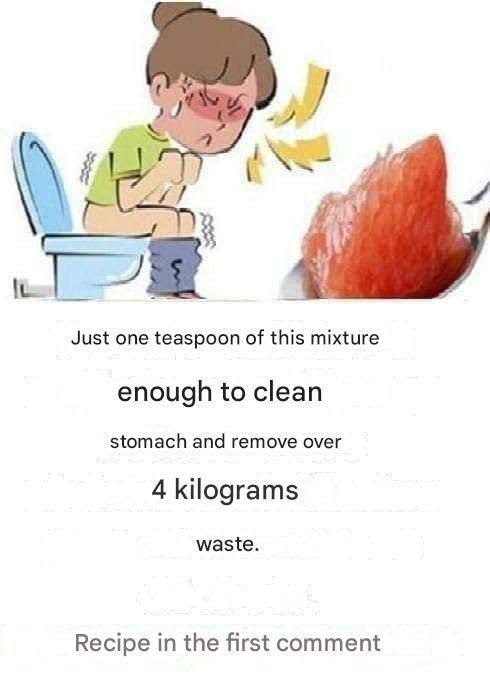
“Remove 10 Pounds of Waste From Your Colon in One Night” — What’s Actually Possible?
Here’s the detail first: there is no safe, medically proven method that removes 10 pounds of “waste” from the colon overnight in a healthy person. Claims that a special drink, herbal cleanse, or laxative can pull 10 pounds of toxins or old stool from your colon are generally exaggerated.
Your colon naturally moves stool through the digestive tract, and the amount of stool inside it changes from day to day. A large change on the scale after a “cleanse” is usually water, intestinal contents, and stool—not 10 pounds of accumulated toxins.
1. Your Colon Doesn’t Need a Detox
The digestive system is designed to eliminate waste continuously.
Your liver and kidneys also play major roles in processing and eliminating substances the body doesn’t need.
There isn’t good evidence that routine colon cleanses remove mysterious toxins that otherwise remain trapped inside your bowel.
2. A Large Overnight Weight Drop Isn’t Fat Loss
Even if someone loses several pounds after taking a strong laxative, that doesn’t mean they’ve lost several pounds of body fat.
Most of the short-term change comes from:
- Water
- Stool
- Other intestinal contents
Once you eat and drink normally again, much of that weight typically returns.
3. Don’t Try to Force a Massive Bowel Movement
Taking large quantities of laxatives, drinking excessive amounts of salt water, or using repeated enemas in an attempt to empty your entire colon can be dangerous.
Potential complications include:
- Dehydration
- Electrolyte abnormalities
- Abdominal cramps
- Diarrhea
- Dizziness
- Kidney problems
- Medication interactions
More laxative does not mean a healthier colon.
4. What If You’re Actually Constipated?
If you’re constipated, a safer approach is to address the constipation rather than trying to perform a “colon detox.”
Helpful habits can include:
- Drinking adequate fluids
- Eating enough dietary fiber
- Increasing physical activity
- Responding to the urge to have a bowel movement
- Maintaining a regular bathroom routine
If dietary changes aren’t enough, a pharmacist or healthcare professional can help you choose an appropriate constipation treatment.
5. Increase Fiber Gradually
Fiber can help promote regular bowel movements.
Good sources include:
- Beans and lentils
- Vegetables
- Fruits
- Whole grains
- Nuts and seeds
But suddenly consuming huge amounts of fiber can actually produce more gas, bloating, and discomfort.
Increase fiber gradually and drink adequate fluids.
6. Be Careful With “Natural” Colon Cleanses
“Natural” doesn’t automatically mean safe.
Herbal laxative products can cause significant diarrhea and dehydration, and some ingredients can interact with prescription medications.
Avoid products that promise to remove enormous quantities of “old fecal matter,” “toxins,” or “parasites” overnight.
7. Colonoscopy Preparation Is Different
There is one situation where doctors intentionally empty much of the colon: before a colonoscopy.
The bowel-preparation regimen prescribed by the medical team uses specific laxative solutions to clear stool so that the doctor can properly inspect the colon.
That’s very different from doing a recreational “detox.”
If you’re preparing for a colonoscopy, follow the exact preparation instructions provided by your healthcare team rather than substituting a homemade cleanse.
8. Persistent Constipation Deserves Attention
If constipation is becoming a regular problem, don’t continually treat it with increasingly aggressive cleanses.
Possible contributing factors include:
- Low fiber intake
- Inadequate fluid intake
- Lack of physical activity
- Certain medications
- Irritable bowel syndrome
- Pelvic-floor problems
- Thyroid disorders
- Other medical conditions
Finding the cause is more useful than repeatedly emptying the bowel.
9. Watch for Warning Signs
Constipation accompanied by certain symptoms needs medical attention.
Contact a healthcare professional if you have persistent constipation or a significant change in bowel habits, particularly if you also experience:
- Blood in the stool
- Unexplained weight loss
- Persistent abdominal pain
- Repeated vomiting
- Persistent bloating
- Fever
- Unusual weakness
Severe abdominal pain, repeated vomiting, major abdominal swelling, or inability to pass stool or gas can require urgent evaluation, particularly if a bowel obstruction is possible.
A Safer “Overnight” Goal
Instead of trying to remove an imaginary 10 pounds of waste, aim for something realistic:
Tonight: drink fluids normally, avoid excessive alcohol, and eat a balanced meal with an appropriate amount of fiber.
Tomorrow: stay active, respond when you feel the urge to use the bathroom, and maintain a regular eating and hydration routine.
If you’re genuinely constipated, speak with a pharmacist or doctor about an evidence-based treatment rather than taking a large dose of a cleansing product.
Final Takeaway
You don’t need to flush 10 pounds of waste from your colon overnight.
A dramatic drop on the scale after a cleanse is primarily a temporary loss of water and intestinal contents, not evidence that your body has been carrying around 10 pounds of dangerous toxins.
If you’re dealing with constipation, the goal should be regular, comfortable bowel movements—not an aggressively empty colon.