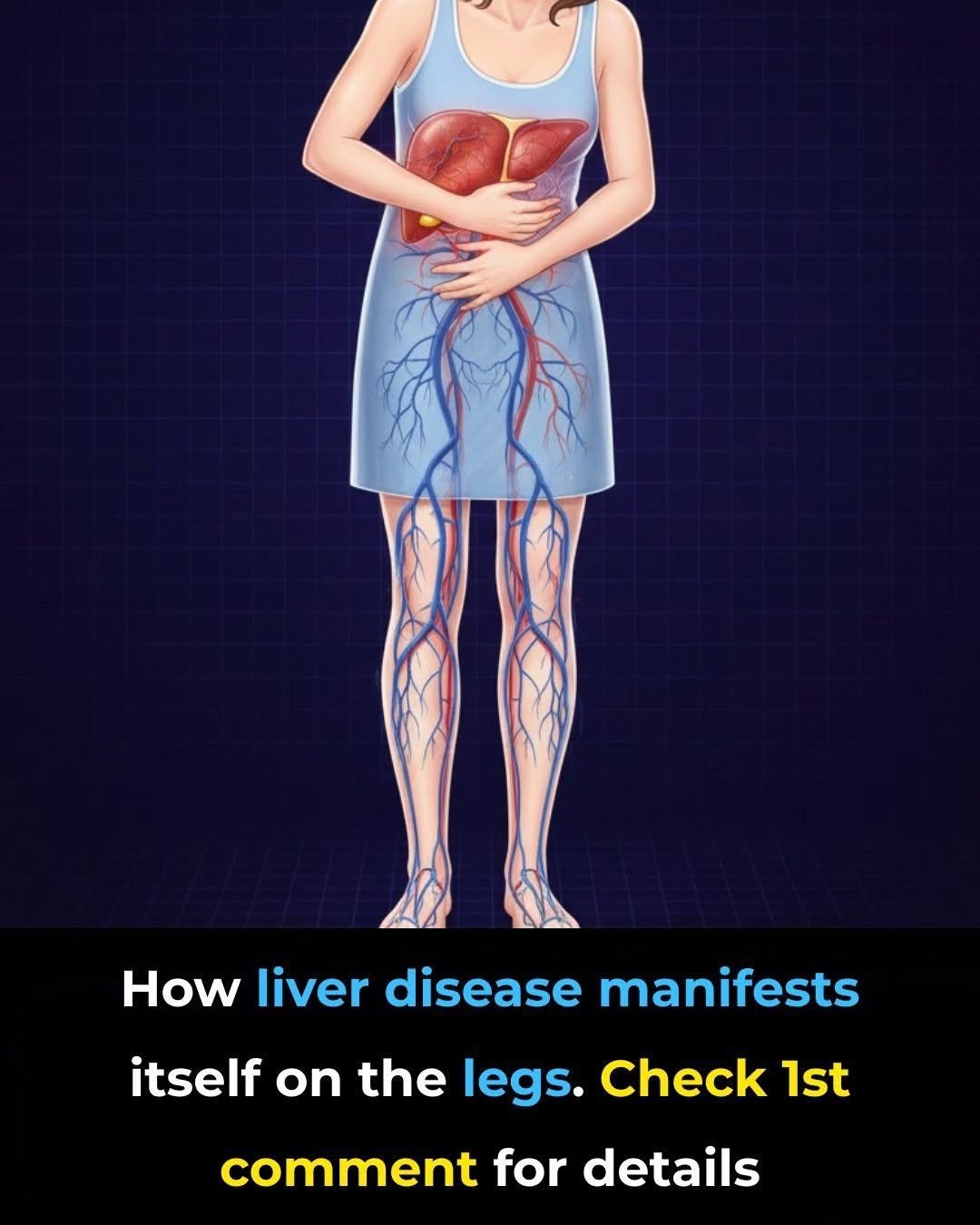
Your Legs Are Saying “Pay Attention”: 5 Possible Warning Signs Linked to Liver Problems
Changes in your legs can sometimes occur alongside liver disease, but leg symptoms alone cannot diagnose a liver problem. Swelling, itching, or cramps are much more commonly caused by other conditions as well. Still, certain persistent changes are worth discussing with a healthcare professional, especially when they occur with other symptoms of liver disease.
1. Swelling in the Legs or Ankles
Swelling, particularly around the ankles and lower legs, can occur in advanced liver disease. Reduced liver function can contribute to changes in blood proteins and fluid balance, allowing fluid to accumulate in tissues.
However, swollen legs can also be related to heart, kidney, vein, medication, or other problems, so the cause needs to be determined rather than assumed to be the liver.
2. Persistent Itchy Skin
Liver and bile-flow disorders can sometimes cause significant itching. It may occur without an obvious rash and can affect different areas of the body.
If persistent itching is accompanied by yellowing of the skin or eyes, dark urine, unusually pale stools, or abdominal discomfort, medical evaluation is important.
3. Muscle Cramps or Weakness
Some people with chronic liver disease experience muscle cramps, weakness, or loss of muscle mass. These symptoms can have many other causes, including dehydration, medications, nutritional problems, and changes in electrolytes.
Frequent or unexplained cramps shouldn’t automatically be attributed to liver disease.
4. Easy Bruising or Bleeding
The liver produces many proteins involved in normal blood clotting. Significant liver dysfunction can interfere with this process and may contribute to easier bruising or unusual bleeding.
Frequent unexplained bruises, nosebleeds, or prolonged bleeding should be discussed with a healthcare professional.
5. Changes in Skin or Foot Color
Liver-related problems can sometimes cause broader changes in skin color, particularly yellowing of the skin or whites of the eyes, known as jaundice. Swelling and changes in circulation can also alter the appearance of the lower legs.
Yellow skin or eyes should not be ignored, particularly if it appears suddenly or is accompanied by dark urine, pale stools, nausea, abdominal pain, or unusual tiredness.
When to Get Medical Help
Seek urgent medical attention for severe abdominal pain, vomiting blood, black or bloody stools, severe confusion, fainting, significant difficulty breathing, or rapidly increasing swelling.
For persistent leg swelling, itching, weakness, bruising, or other unexplained changes, a healthcare professional can use an examination and appropriate blood tests to determine whether the liver is involved.
The Bottom Line
Your legs can sometimes show changes associated with liver disease, but there is no single leg symptom that proves your liver is in trouble. Persistent or unexplained symptoms are more useful when considered together with other signs and medical testing.
Taking care of liver health includes avoiding excessive alcohol, maintaining a balanced diet, staying physically active, using medicines as directed, and getting appropriate medical care for ongoing symptoms.
