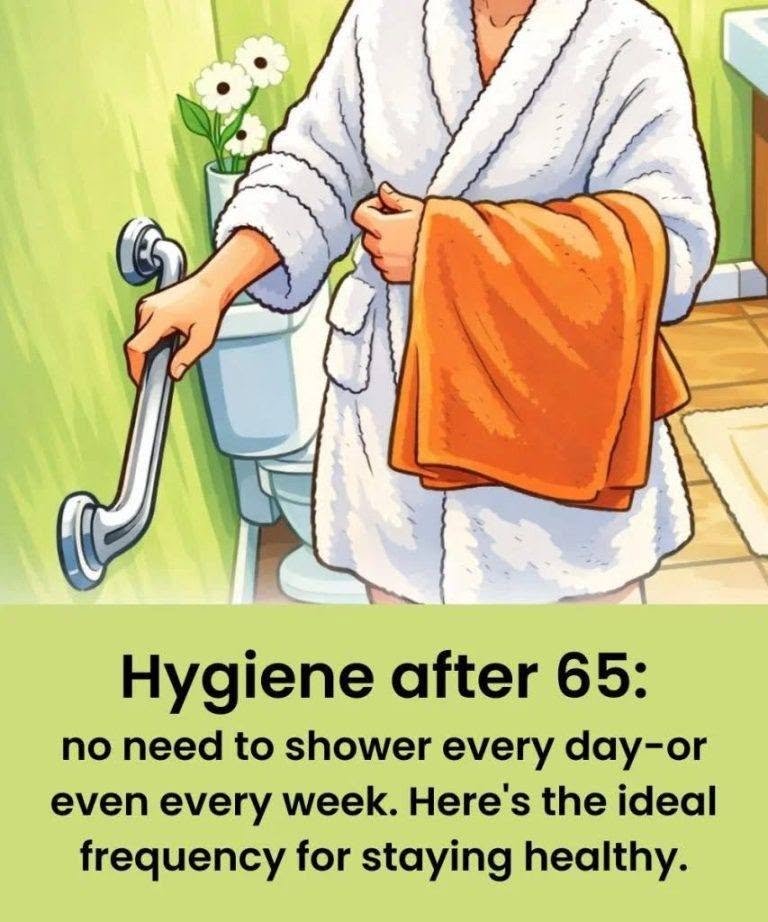
Why Daily Showers After 65 May Do More Harm Than Good
Daily showering isn’t automatically harmful after 65. In fact, many older adults can shower every day without a problem. The concern is that aging skin is generally thinner, drier, and more vulnerable to irritation, so long, hot showers and harsh soaps can strip away protective oils and worsen dryness.
1. Hot Water Can Dry Out Aging Skin
As we age, the skin tends to produce less oil and retain moisture less effectively.
Very hot water can remove some of those protective oils, leaving skin feeling tight, itchy, flaky, or uncomfortable after bathing.
A warm—not hot—shower is usually a better choice.
2. Long Showers Can Increase Irritation
The longer your skin is exposed to hot water and cleansing products, the more likely it is to become dry or irritated.
A short shower is generally sufficient for routine hygiene. There’s usually no need to spend 20 or 30 minutes under running water.
3. Harsh Soap Can Damage the Skin Barrier
Strongly fragranced soaps, antibacterial cleansers, and aggressive scrubbing can irritate sensitive skin.
You don’t necessarily need to scrub your entire body vigorously every day. Focus cleansing on areas that actually need it, such as the armpits, groin, feet, and visibly dirty or sweaty areas.
Choose a gentle, fragrance-free cleanser if your skin tends to be dry or sensitive.
4. Dry Skin Can Become Extremely Itchy
Persistent dryness can cause significant itching.
Unfortunately, scratching itchy skin can create tiny breaks that make irritation worse and may increase the risk of infection.
After showering, gently pat your skin dry rather than vigorously rubbing it with a towel.
5. Moisturizer Matters More With Age
One of the simplest ways to protect aging skin is to apply a moisturizer shortly after bathing.
Apply a fragrance-free cream or ointment while the skin is still slightly damp. This helps trap moisture in the outer layer of the skin.
If your skin is particularly dry, creams or ointments are often more effective than thin lotions.
6. Frequent Bathing Isn’t the Only Hygiene Option
There’s no universal requirement that every person over 65 must take a full shower every day.
Depending on mobility, sweating, activity level, climate, continence, and personal preference, some people may do well with a full shower less frequently while washing key areas more often.
However, people who sweat heavily, have incontinence, work outdoors, or have certain medical conditions may need more frequent washing.
7. Showers Can Also Create a Fall Risk
The issue isn’t only the skin.
Wet bathroom floors, slippery tubs, and stepping over a bathtub can be dangerous, particularly for older adults with balance or mobility problems.
Simple precautions can help:
- Install grab bars where appropriate.
- Use a nonslip bath or shower surface.
- Keep the floor dry.
- Consider a shower chair if standing is difficult.
- Keep frequently used toiletries within easy reach.
- Avoid rushing when getting in or out of the shower.
8. Very Hot Showers Can Make Some People Dizzy
Heat can cause blood vessels to widen and may contribute to lightheadedness in susceptible people.
Older adults taking blood-pressure medications or medications that affect circulation may be particularly prone to dizziness.
If you regularly feel faint or unsteady in the shower, sit down, reduce the water temperature, and discuss the symptom with your healthcare professional.
So, How Often Should You Shower?
There’s no single correct schedule for everyone over 65.
For many older adults, showering several times per week while washing the face, hands, genital area, armpits, and feet as needed provides adequate hygiene. Others may prefer or require daily showers.
The more important factors are skin health, cleanliness, activity level, medical conditions, and personal preference.
If daily showering leaves your skin comfortable and healthy, there’s generally no reason to stop simply because you’ve turned 65.
A Skin-Friendly Shower Routine
A practical routine is:
- Use warm rather than very hot water.
- Keep the shower relatively brief.
- Use a gentle, fragrance-free cleanser.
- Avoid vigorous scrubbing.
- Pat the skin dry.
- Apply moisturizer soon afterward.
- Use appropriate nonslip and support equipment if balance is a concern.
When to See a Doctor
Talk with a healthcare professional if you develop persistent itching, widespread rash, painful cracks, sores that don’t heal, unusual redness, or signs of infection.
Severe or rapidly worsening skin changes shouldn’t simply be blamed on aging or frequent bathing.
Final Takeaway
After 65, daily showers aren’t inherently bad. The bigger problem is often the combination of hot water, lengthy showers, harsh cleansers, vigorous scrubbing, and failure to moisturize.
If your skin is becoming increasingly dry or itchy, modifying your bathing routine can help protect the skin barrier while still maintaining good hygiene.