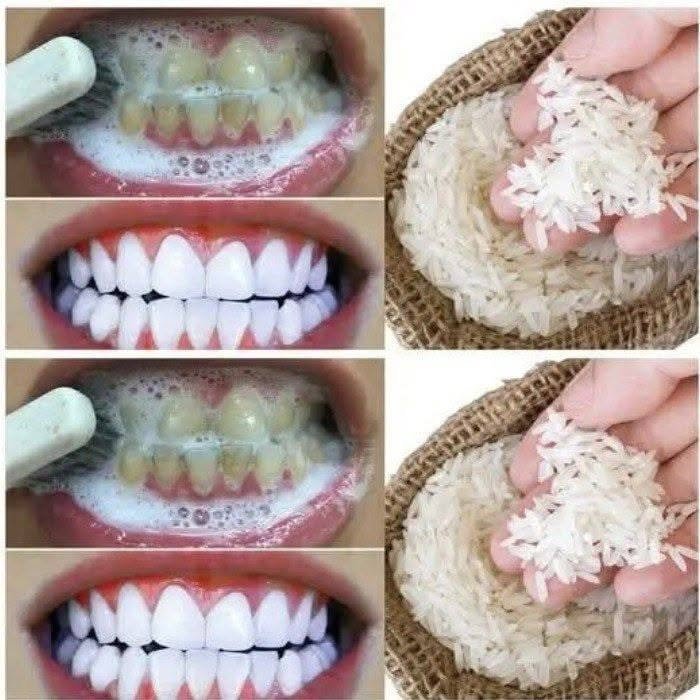
Whiten Your Teeth in Just 1 Minute? The Truth About This Popular Home Trick
The promise of “whiter teeth in one minute” sounds tempting, especially when the suggested remedy uses ingredients already sitting in your kitchen.
But there’s an important-minute tricks cannot safely change the natural color of your teeth that quickly. Some can even damage enamel or irritate your gums if they’re too distinction between making teeth look temporarily cleaner and actually whitening tooth enamel.
Most homemade one-minute tricks cannot safely change the natural color of your teeth that quickly. Some can even damage enamel or irritate your gums if they’re too acidic or abrasive.
1. A One-Minute Trick Can’t Permanently Whiten Teeth
Your teeth can look dull or yellow for several reasons.
The outer enamel is naturally not completely white. Underneath it is dentin, which has a naturally yellowish color.
Teeth can also become darker because of:
- Coffee
- Tea
- Tobacco
- Certain foods and drinks
- Plaque buildup
- Aging
- Some medications
- Dental problems
Brushing can remove some surface buildup, but it doesn’t instantly bleach the underlying tooth color.
2. Be Careful With Baking Soda
Baking soda is frequently recommended online as a quick whitening treatment.
Baking soda can help remove some surface stains because it is mildly abrasive, and it is also used in some commercially formulated toothpastes.
But rubbing household baking soda aggressively onto your teeth isn’t the same as using a toothpaste formulated for oral health.
Excessive or aggressive abrasion can contribute to enamel wear and gum irritation.
If you want the benefits of baking soda, a toothpaste specifically formulated with fluoride and appropriate abrasives is a safer option.
3. Never Scrub Your Teeth With Lemon Juice
Another popular internet trick combines baking soda with lemon juice.
This is a particularly bad idea.
Lemon juice is acidic, and repeated exposure to acids can contribute to dental erosion.
Once enamel is lost, your body cannot simply grow it back.
Acid plus aggressive scrubbing is therefore not a shortcut to healthy white teeth.
4. Hydrogen Peroxide Requires Caution
Hydrogen peroxide is used in professionally formulated tooth-whitening products.
That doesn’t mean household hydrogen peroxide should be poured onto your teeth or used in concentrated homemade mixtures.
Incorrect concentrations or prolonged exposure can irritate your gums and soft tissues.
Professional or dentist-recommended whitening products are designed with concentration, contact time, and safety in mind.
5. The Safest Quick Improvement Is Good Cleaning
If your teeth look dull because of plaque or surface staining, a good oral-hygiene routine can make them look cleaner.
Brush twice a day with a fluoride toothpaste using a soft-bristled toothbrush.
Clean between your teeth daily with floss or another appropriate interdental cleaner.
This won’t dramatically bleach your teeth in one minute, but it helps remove plaque and prevent new staining.
6. Whitening Toothpaste Can Help With Surface Stains
A reputable whitening toothpaste can help remove certain surface stains over time.
However, whitening toothpaste generally doesn’t produce the same effect as professional bleaching.
It primarily works by removing or reducing external stains rather than dramatically changing the natural color of the tooth.
Choose a product containing fluoride and follow the manufacturer’s instructions.
7. Professional Whitening Is Different
If you want a noticeably lighter tooth color, dental whitening products that contain appropriate bleaching agents are much more effective than kitchen remedies.
A dentist can also determine whether whitening is appropriate for you.
This is particularly useful if you have:
- Cavities
- Gum disease
- Tooth sensitivity
- Cracked teeth
- Dental restorations
- Significant discoloration
Whitening doesn’t work the same way on every type of discoloration.
8. Crowns and Fillings Don’t Whiten Like Natural Teeth
This is an important detail people often discover too late.
Dental crowns, veneers, fillings, and other restorations may not respond to bleaching in the same way natural enamel does.
If you whiten your natural teeth substantially, existing restorations may become more noticeable because their color doesn’t change accordingly.
A dentist can help you plan treatment if you have visible restorations.
9. Don’t Confuse Whiter Teeth With Healthier Teeth
A bright smile isn’t necessarily a healthy smile.
You can have beautifully white teeth with cavities or gum disease.
Conversely, naturally off-white teeth can be perfectly healthy.
Focus first on:
- Fluoride toothpaste
- Regular brushing
- Cleaning between teeth
- Limiting frequent sugary foods and drinks
- Avoiding tobacco
- Regular dental examinations
Whitening should be considered a cosmetic treatment, not a substitute for dental care.
10. Watch Out for Sudden Tooth Discoloration
If one tooth suddenly becomes gray, brown, or significantly darker than the others, don’t try to bleach it at home.
A change in color can sometimes be associated with trauma, decay, or problems involving the tooth’s inner tissues.
A dentist can determine the cause before recommending whitening.
What Can You Do Today?
If you want a cleaner-looking smile without damaging your teeth, start with the basics.
Morning: Brush gently with fluoride toothpaste.
During the day: Drink water after staining drinks such as coffee or tea, and avoid constantly sipping acidic or sugary beverages.
Evening: Brush again and clean between your teeth.
If you want a noticeably whiter smile, speak with a dentist about an appropriate whitening option rather than experimenting with acidic or abrasive kitchen ingredients.
The Bottom Line
There isn’t a safe, scientifically proven kitchen trick that can permanently whiten healthy teeth in just one minute.
Some home remedies may temporarily remove surface stains, but aggressive methods can damage enamel and irritate your gums.
Avoid using lemon juice, vinegar, or harsh abrasive mixtures on your teeth.
For everyday care, use fluoride toothpaste, a soft toothbrush, and regular interdental cleaning. For significant whitening, professionally formulated products or dentist-supervised treatment are much safer and more predictable.
A brighter smile is great—but protecting your enamel is far more important than chasing a one-minute whitening trick.