What Is the Normal Blood Pressure for Each Age?
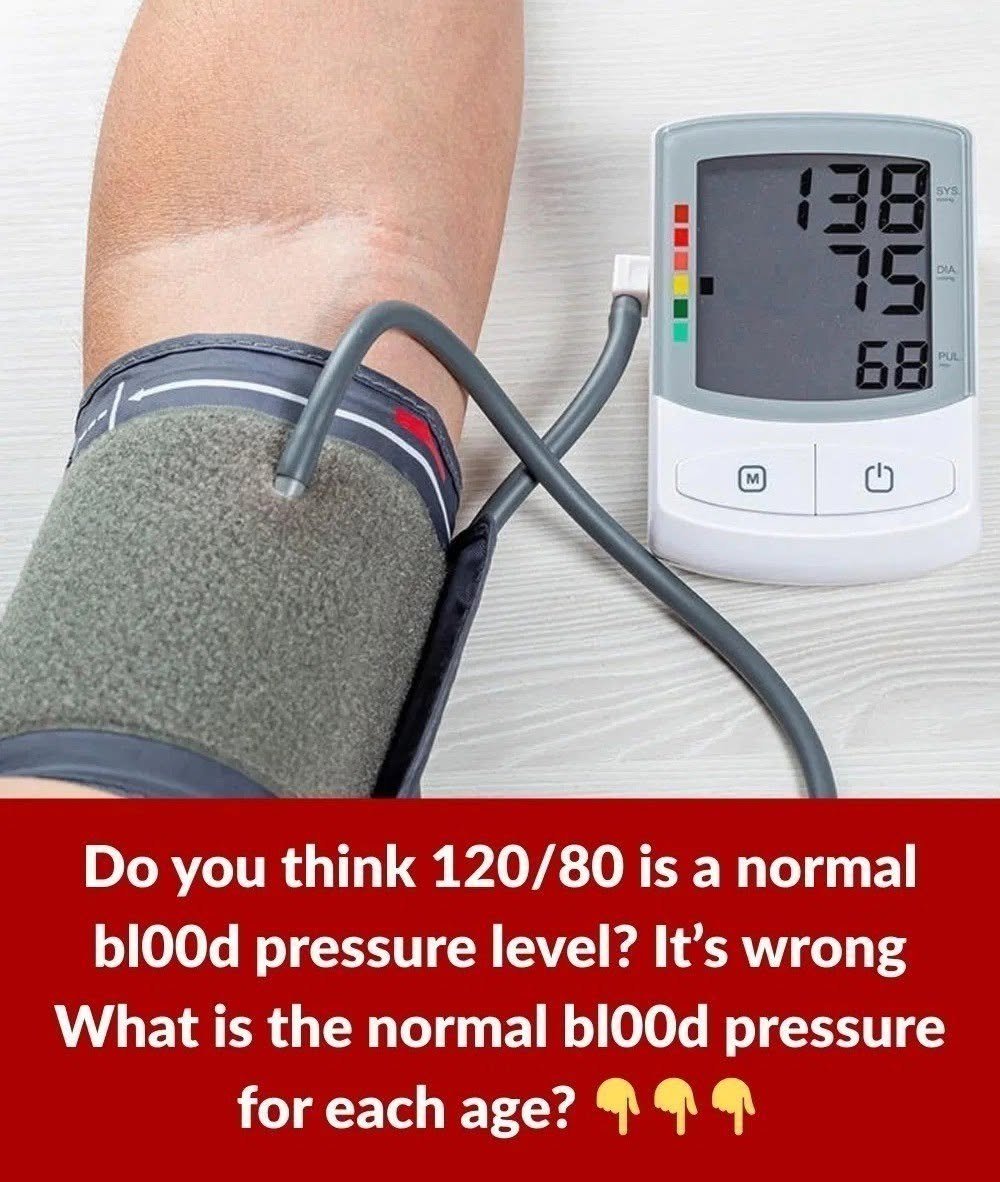
Blood pressure naturally changes throughout life, but there is not a separate “normal” blood-pressure number for every age. For adults, healthy blood pressure is generally assessed using the same basic ranges, while treatment goals for older adults may be individualized.
Blood pressure is measured in mmHg as systolic/diastolic—for example, 120/80 mmHg.
Normal Blood Pressure by Age
| Age | General adult guideline |
|---|---|
| 18–39 years | Below 120/80 mmHg is generally considered normal |
| 40–59 years | Below 120/80 mmHg is generally considered normal |
| 60–69 years | Below 120/80 mmHg is generally considered normal |
| 70–79 years | Below 120/80 mmHg is still considered normal, although individual treatment targets may differ |
| 80+ years | Targets may be individualized based on health, medications, frailty, and other factors |
What Do the Numbers Mean?
🟢 Normal
Less than 120/80 mmHg
🟡 Elevated
120–129 systolic and less than 80 diastolic
🟠 High Blood Pressure — Stage 1
130–139 systolic or 80–89 diastolic
🔴 High Blood Pressure — Stage 2
140 or higher systolic or 90 or higher diastolic
These categories are based on commonly used U.S. guidelines; other countries and medical organizations may use somewhat different thresholds.
Is 150/90 “Normal” for Someone Over 70?
Not simply because they’re over 70.
It’s a common misconception that high blood pressure automatically becomes normal with age. Blood pressure tends to rise as people get older, but persistent readings such as 150/90 should be discussed with a healthcare professional.
For older adults, doctors may set an individualized treatment target depending on overall health and the risks of both high and excessively low blood pressure.
One Reading Isn’t Enough
Blood pressure can temporarily rise because of:
-
Stress or anxiety
-
Exercise
-
Caffeine
-
Smoking
-
Pain
-
Talking during the measurement
-
An improperly positioned arm or incorrect cuff size
For a more useful reading, rest quietly for about 5 minutes, keep your back supported and feet flat on the floor, place your arm at heart level, and take two readings about a minute apart.
🚨 When Is It an Emergency?
If your blood pressure is 180/120 mmHg or higher, wait at least a minute and measure it again.
If it remains that high and you have symptoms such as chest pain, shortness of breath, weakness, confusion, vision changes, or difficulty speaking, seek emergency medical care immediately.
Bottom line: Don’t use age alone to decide whether a blood-pressure reading is healthy. The pattern of readings, your overall health, and your doctor’s assessment matter.