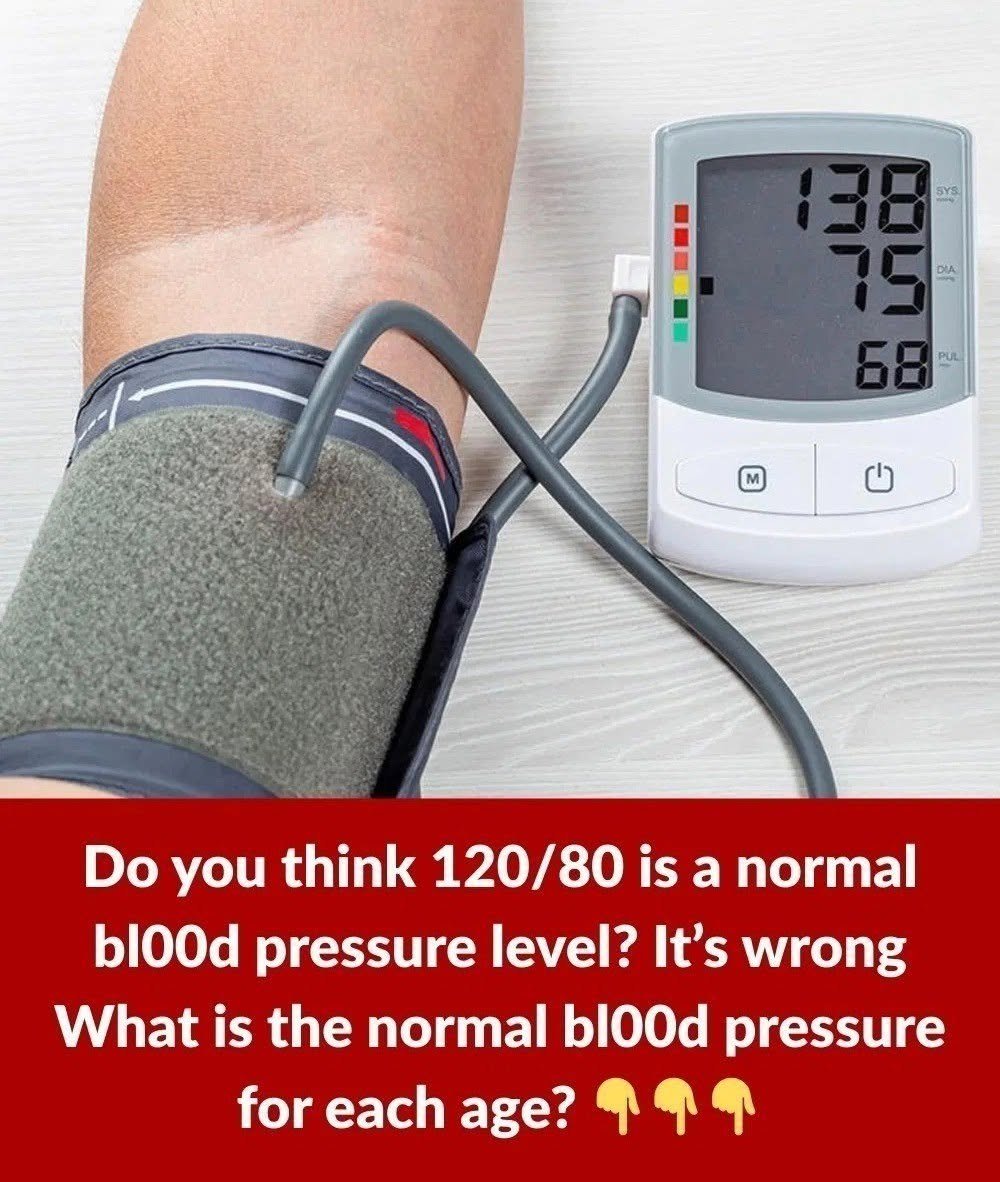
Normal Blood Pressure by Age
There isn’t one exact “normal” blood-pressure number for every age. For adults, the same general targets are usually used regardless of whether someone is 30, 50, or 70. Blood pressure is written as systolic/diastolic (mmHg).
Adults
| Age | Generally healthy/normal range |
|---|---|
| 18–39 | Around 90/60 to under 120/80 |
| 40–59 | Around 90/60 to under 120/80 |
| 60–69 | Around 90/60 to under 120/80 |
| 70+ | Around 90/60 to under 120/80, although treatment targets may be individualized |
120/80 mmHg is often used as a reference point, not a requirement. Blood pressure naturally fluctuates during the day, and one reading doesn’t usually establish a diagnosis.
Understanding the numbers
-
Below 120/80: generally considered normal for adults.
-
120–129 and below 80: elevated.
-
130–139 or 80–89: high blood pressure (stage 1 under commonly used U.S. guidelines).
-
140/90 or higher: high blood pressure; the exact diagnostic threshold varies by guideline and country.
-
180/120 or higher: severely high. If this occurs with chest pain, shortness of breath, weakness, confusion, vision changes, or other concerning symptoms, seek emergency medical care.
What About Older People?
It’s a common misconception that “130/80 is normal at 70” or “150/90 is normal at 80.” Blood pressure does tend to rise with age, but that doesn’t mean high blood pressure should simply be accepted as normal. Doctors may choose individualized treatment targets for older adults depending on overall health, medications, frailty, and the risk of falls or low blood pressure.
If you tell me your age and your blood-pressure reading (for example, 145/85), I can explain whether it is considered normal, elevated, or high.