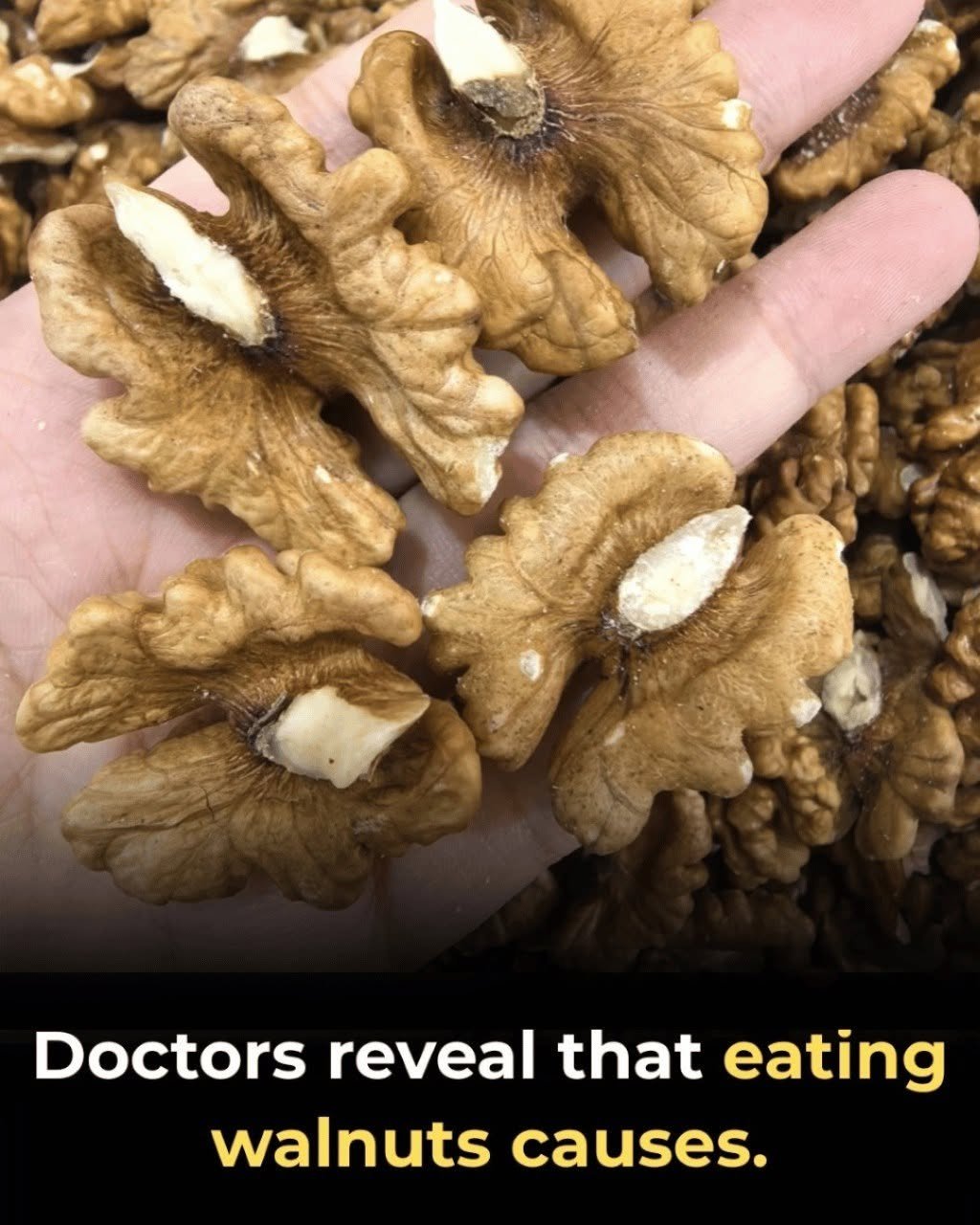
🌰 What Happens When You Eat Walnuts Every Day?
Eating walnuts every day can be a simple way to add healthy fats, plant-based protein, fiber, vitamins, minerals, and antioxidants to your diet. They are especially rich in alpha-linolenic acid (ALA), a plant-based omega-3 fatty acid.
But walnuts aren’t a miracle food, and eating more isn’t necessarily better.
❤️ 1. They May Support Heart Health
Walnuts contain unsaturated fats and ALA. Replacing foods high in saturated fat with nuts such as walnuts can be beneficial for cardiovascular health.
Regular nut consumption has also been associated with healthier cholesterol profiles and lower cardiovascular risk.
The important point is what walnuts replace in your diet. Adding a large amount of walnuts on top of an already high-calorie diet isn’t the same as replacing less nutritious snacks with them.
🧠 2. They Provide Nutrients Important for the Brain
Walnuts provide:
- ALA omega-3 fatty acids
- Polyphenols
- Vitamin E
- Magnesium
- Copper
- Manganese
These nutrients contribute to normal nervous-system and cellular function.
However, claims that eating walnuts every day will prevent dementia or dramatically increase intelligence go beyond the available evidence.
🩸 3. They Can Fit Into a Diabetes-Friendly Diet
Walnuts are relatively low in carbohydrates and provide fat, protein, and fiber.
Replacing refined snacks—such as cookies or chips—with a small serving of walnuts can be a useful dietary choice for people trying to manage blood sugar.
But walnuts do not cure diabetes and shouldn’t replace prescribed treatment.
⚖️ 4. They May Help With Appetite Control
Walnuts are calorie-dense, but their combination of fat, protein, and fiber can help you feel satisfied.
A small handful can make a good snack between meals.
The catch is portion size: it’s surprisingly easy to eat several hundred calories from nuts without realizing it.
🦴 5. You Get Important Minerals
Walnuts contain minerals such as magnesium, copper, and manganese, which are involved in normal bone and connective-tissue metabolism.
They can contribute to an overall bone-supportive diet, but walnuts alone cannot prevent or treat osteoporosis.
🦠 6. They Add Fiber to Your Diet
The fiber in walnuts contributes to overall digestive health and helps support regular bowel movements.
If your diet is normally low in fiber, introduce nuts and other high-fiber foods gradually and drink adequate fluids.
✨ 7. They Provide Antioxidant Compounds
Walnuts contain polyphenols and other compounds with antioxidant activity.
These help protect cells from oxidative damage, although it’s important not to interpret this as proof that walnuts detox the body or cure disease.
⚠️ What Can Happen If You Eat Too Many?
Walnuts are healthy, but excessive amounts can cause:
- Bloating
- Gas
- Loose stools
- Stomach discomfort
- Unwanted calorie intake
And, of course, people with a tree-nut allergy should avoid walnuts.
🥜 How Many Walnuts Should You Eat?
A practical serving is about 1 ounce (28 g)—roughly a small handful.
You can add them to:
- Oatmeal
- Yogurt
- Salads
- Whole-grain cereal
- Smoothies
- Fruit
- Vegetable dishes
Choose unsalted, plain walnuts when possible if you’re trying to limit sodium and added ingredients.
🚨 One Important Point
If walnuts cause itching, swelling, hives, vomiting, wheezing, or difficulty breathing, stop eating them. A severe allergic reaction can be life-threatening and requires emergency treatment.
Bottom Line
Eating a small serving of walnuts regularly can be an excellent addition to a balanced diet. They provide healthy unsaturated fats, ALA omega-3s, fiber, protein, and several important micronutrients.
But don’t expect one food to cure heart disease, diabetes, memory problems, or other illnesses.
Think of walnuts as one useful piece of a healthy diet—not a miracle medicine.