Visible Veins Explained veins on your hands, arms, legs, chest, or other parts of your body: Normal Causes, Health Risks, and When to Worry
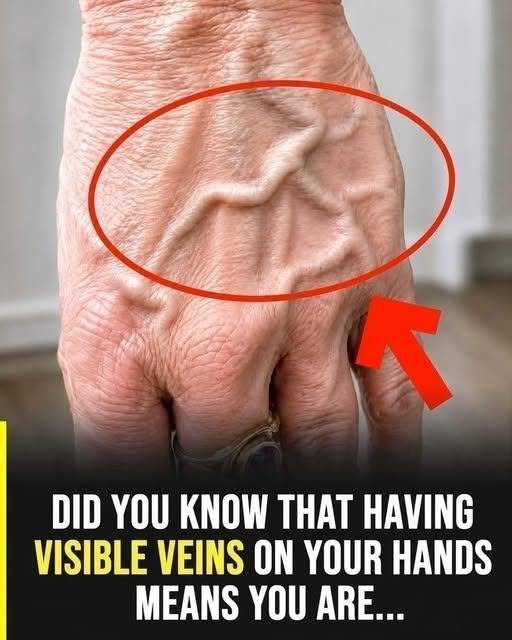
Seeing prominent veins on your hands, arms, legs, chest, or other parts of your body can be surprising. You may suddenly notice veins that weren’t obvious before and wonder whether they’re a sign that something is wrong.
Most visible veins are completely normal. Veins can become more noticeable because of exercise, genetics, body composition, heat, aging, or temporary changes in blood flow.
However, a new or sudden change in a vein, particularly when accompanied by pain, swelling, redness, warmth, or other symptoms, deserves attention.
Here’s how to tell the difference.
1. Low Body Fat Can Make Veins More Visible
One of the simplest explanations is having less fat beneath the skin.
Subcutaneous fat normally provides some coverage over veins. When body fat decreases, veins can become much easier to see, particularly on the:
- Hands
- Forearms
- Shoulders
- Chest
- Legs to working muscles increases. Blood vessels can also expand, while muscle contraction and changes in fluid distribution can make superficial
This is especially common in people who exercise regularly or have naturally low body fat.
Visible veins in an otherwise healthy person aren’t automatically a sign of illness.
2. Exercise Can Temporarily Make Veins “Pop”
Have you ever noticed your veins becoming much more prominent after exercising?
That’s usually normal.
During exercise, blood flow to working muscles increases. Blood vessels can also expand, while muscle contraction and changes in fluid distribution can make superficial veins more noticeable.
This effect is particularly obvious during resistance training.
The veins generally become less prominent after you’ve cooled down and your circulation returns toward its resting state.
3. Heat Can Make Veins Stand Out
Hot weather, hot showers, saunas, and other sources of heat can cause blood vessels near the skin to widen.
As a result, superficial veins may become more visible.
This doesn’t necessarily mean that your circulation is poor.
If your veins become prominent during hot conditions and return to their usual appearance afterward, the change is usually not concerning.
4. Aging Can Make Veins More Noticeable
As we get older, the skin gradually becomes thinner and loses some of its elasticity and supporting tissue.
The fat beneath the skin can also change.
Together, these changes can make veins on the hands, arms, and legs much more visible.
So while visible veins aren’t necessarily a disease, aging can make a previously subtle vein much easier to see.
5. Genetics Play a Major Role
Some people simply have more prominent superficial veins.
You may notice that several members of your family have highly visible veins even when they’re not particularly lean or athletic.
If your veins have always been noticeable and haven’t changed significantly, genetics may be the simplest explanation.
6. Varicose Veins Are Different
Veins that are enlarged, twisted, or bulging—particularly in the legs—may be varicose veins.
They develop when valves inside veins don’t function properly, allowing blood to pool and increasing pressure within the veins.
Varicose veins may cause:
- Aching
- Heaviness
- Throbbing
- Itching
- Swelling
- Leg fatigue
They aren’t always dangerous, but painful or worsening varicose veins should be discussed with a healthcare professional.
7. Spider Veins Are Usually Cosmetic
Spider veins are small red, purple, or blue vessels that appear close to the skin.
They’re particularly common on the legs and face.
Unlike varicose veins, they’re usually small and flat.
Spider veins are generally harmless, although they can sometimes accompany underlying venous problems.
If they’re new and associated with significant swelling or discomfort, ask a healthcare professional for an evaluation.
8. One Swollen Leg With Prominent Veins Is Different
This is a situation where you should pay attention.
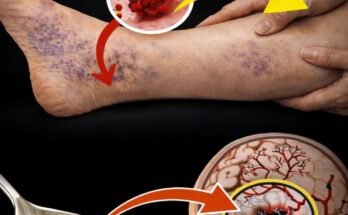
A deep vein thrombosis (DVT) is a blood clot in a deep vein, usually in the leg.
Possible symptoms include:
- Swelling in one leg
- Pain or tenderness
- Warmth
- Red or discolored skin
- A feeling of heaviness
Sometimes the superficial veins become more noticeable because normal blood flow is being obstructed.
Visible veins alone don’t diagnose DVT, but a sudden change accompanied by one-sided swelling and pain requires prompt medical assessment.
9. Sudden Prominent Veins in the Chest or Neck Need Attention
Newly prominent veins across the chest, neck, or upper body can occasionally indicate an obstruction affecting blood flow.
This is uncommon, but it becomes more concerning if accompanied by:
- Swelling of the face or neck
- Difficulty breathing
- Chest discomfort
- Dizziness
- Significant swelling of an arm
Such symptoms should be medically evaluated promptly.
10. Painful, Red, Hard Veins Can Be Inflamed
Sometimes a superficial vein becomes inflamed and develops a clot, a condition known as superficial thrombophlebitis.
The vein may feel like a tender, firm cord beneath the skin.
The surrounding skin can become red and warm.
Although superficial thrombophlebitis is different from DVT, it still deserves medical evaluation, particularly if the redness or swelling is extensive or symptoms are worsening.
When Visible Veins Are Usually Not Concerning
Visible veins are generally less concerning when:
- They’ve been present for a long time.
- They’re similar on both sides of the body.
- They become more noticeable during exercise.
- They appear more prominent in hot weather.
- You have no pain or swelling.
- Your skin looks normal.
- You otherwise feel well.
In these circumstances, genetics, body composition, exercise, heat, and normal anatomy are common explanations.
When Should You See a Doctor?
Arrange a medical evaluation if a vein becomes noticeably different without an obvious reason, particularly if you develop:
- New pain
- Swelling
- Redness
- Warmth
- A hard or tender vein
- Skin discoloration
- Recurrent leg heaviness
- Significant changes on only one side
The combination of new swelling and pain in one leg is especially important because DVT needs to be ruled out.
When Is It an Emergency?
Seek emergency medical attention if you have symptoms that could indicate a serious blood clot complication.
These include sudden shortness of breath, chest pain, coughing up blood, fainting, or severe unexplained difficulty breathing.
These symptoms can occur with a pulmonary embolism, which can be life-threatening.
Likewise, sudden weakness or numbness on one side of the body, facial drooping, trouble speaking, or sudden vision problems should be treated as possible stroke symptoms and require emergency care.
Don’t Try to “Fix” Normal Veins
If your veins are visible because you’re lean, active, genetically predisposed, or simply aging, there’s usually no medical reason to make them disappear.
Trying to gain weight solely to hide veins isn’t a healthy strategy.
Likewise, creams, supplements, or “detox” products marketed as ways to eliminate visible veins aren’t reliable treatments for normal anatomy or underlying vein disease.
If you’re concerned about varicose or spider veins for cosmetic or medical reasons, a healthcare professional can explain evidence-based options.
The Bottom Line
Visible veins do not automatically mean poor circulation, dehydration, high blood pressure, or another disease.
Common harmless reasons include:
- Genetics
- Low body fat
- Exercise
- Heat
- Aging
- Normal anatomy
The situation changes when a vein becomes newly prominent and is accompanied by pain, swelling, redness, warmth, discoloration, or a hard tender cord.
And if you develop one-sided leg swelling with pain, or sudden chest pain or shortness of breath, don’t wait for the veins to become more obvious—seek medical attention.
The key isn’t simply whether you can see your veins. It’s whether they’ve changed and whether other symptoms are appearing alongside them.