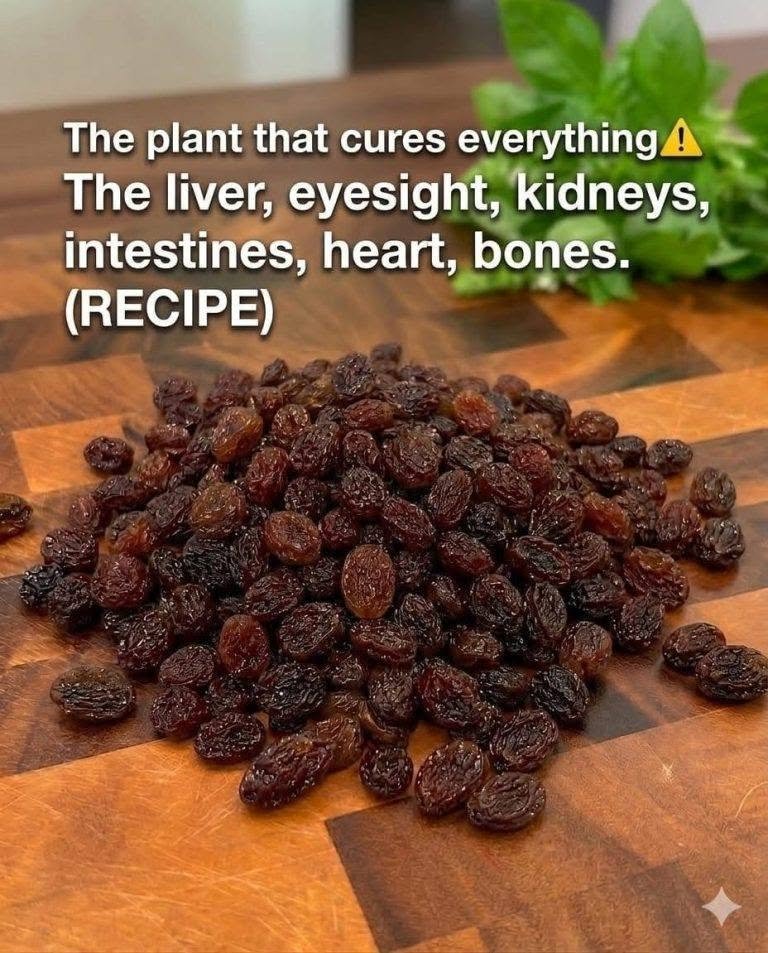
🌿 “The Plant That Cures Everything” — Can One Plant Really Heal the Liver, Eyes, Kidneys, Heart, Intestines, and Bones?
You may have seen social-media posts claiming that a particular plant can “cure everything” and protect or heal the liver, eyesight, kidneys, intestines, heart, and bones.
The truth is more nuanced: no single plant has been scientifically proven to cure all of these organs or diseases. Some medicinal plants contain compounds that may have beneficial effects, but “supports health” is very different from “cures disease.”
🫀 1. Heart Health
Certain plant foods provide antioxidants, fiber, potassium, and other nutrients that can contribute to cardiovascular health.
However, a plant remedy cannot replace proven treatments for conditions such as high blood pressure, heart disease, or abnormal cholesterol.
If you’re taking heart medication, don’t replace it with an herbal preparation without medical advice.
🧡 2. Liver
The liver naturally processes many substances and has a remarkable ability to repair itself.
Some herbs have been studied for liver health, but evidence varies considerably. A product advertised as a “liver detox” or “liver cleanser” isn’t necessarily beneficial, and some herbal supplements can actually cause liver injury.
If liver enzymes are elevated or you have jaundice, abdominal swelling, persistent nausea, or other concerning symptoms, the underlying cause needs to be investigated.
👁️ 3. Eyesight
A nutritious diet containing vitamins, minerals, carotenoids, and other plant compounds can support normal eye health.
But blurred vision, cataracts, glaucoma, macular degeneration, or diabetic eye disease cannot simply be cured by eating one plant.
Sudden vision loss or sudden changes in vision require urgent medical assessment.
🫘 4. Kidneys
Healthy eating and adequate hydration can support kidney health, but there is no plant that can universally “clean” or repair the kidneys.
Some herbal products can actually be problematic for people with kidney disease because their ingredients or contaminants may place additional stress on the kidneys.
Anyone with kidney disease should check with a healthcare professional before taking concentrated herbal remedies.
🦴 5. Bones
Bone health depends on many factors, including:
- Calcium
- Vitamin D
- Protein
- Physical activity
- Hormones
- Age
- Overall nutrition
A plant can contribute nutrients to a healthy diet, but it isn’t a universal treatment for osteoporosis or serious bone disease.
🦠 6. Intestinal Health
Fiber-rich plants can be very beneficial for the digestive system. Fiber helps support regular bowel movements and provides food for beneficial gut bacteria.
However, persistent abdominal A healthy plant-based diet can support many aspects of health, but specific pain, blood in the stool, unexplained weight loss, or prolonged changes in bowel habits should not be treated with a plant remedy alone.
🌱 What Plant Is the Claim Talking About?
If the post you’re referring to names a particular plant—such as moringa, neem, aloe vera, turmeric, ginger, or another herb—tell me its name or upload the picture.
I can explain:
- What the plant actually contains
- Which health benefits have scientific evidence
- What claims are exaggerated
- How it is traditionally used
- Possible side effects
- Who should avoid it
- Whether it can interact with medications
⚠️ One Important Warning
“Natural” does not automatically mean safe. Concentrated herbal products can interact with medicines and, in some cases, cause liver or kidney injury.
There is no credible “cure-everything” plant. A healthy plant-based diet can support many aspects of health, but specific diseases require appropriate diagnosis and treatment.