Sometimes, the strangest things become the things we remember most.
Not the expensive gifts. Not the grand vacations. Not even the meals we spent hours preparing.
Sometimes, it’s a can of diet soda.
A particular flavor. A familiar logo. The sound of a tab being pulled open. The first cold sip after a long day.
And when that drink disappears from store shelves, something surprisingly emotional can happen. You don’t just lose a beverage. You lose a tiny piece of a particular time in your life.
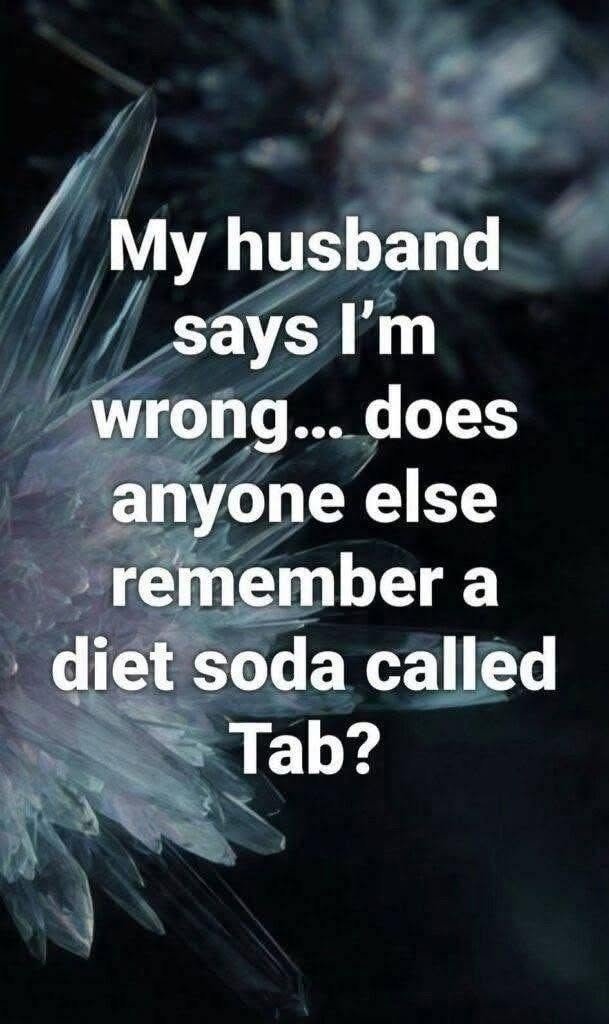
That is exactly what happened when one discontinued diet soda became the unlikely center of a marriage debate.
It started with a simple question:
“Do you remember that diet soda we used to drink?”
It sounded harmless.
It wasn’t.
It Was Just Soda—or Was It?
For one spouse, the discontinued drink was nothing more than a favorite beverage.
It had a particular sweetness that newer diet drinks never quite managed to reproduce. It wasn’t too fizzy, wasn’t overly sweet, and had a flavor that seemed to belong to another era.
For the other spouse, however, the drink represented something completely different.
It was associated with a specific period of their relationship.
Maybe it was the soda they bought during early dates.
Maybe they drank it on road trips.
Maybe there was always a six-pack in the refrigerator when they first moved in together.
Perhaps they used to stop at the same convenience store after work and pick one up before heading home.
The soda had quietly become part of their shared history.
So when one partner said, “I wish they still made that,” the other responded with something unexpected:
“You don’t actually miss the soda. You miss that time in our lives.”
And suddenly, a conversation about diet soda had become a conversation about marriage.
Why Food Memories Can Be So Powerful
There’s a reason certain foods and drinks can trigger incredibly vivid memories.
Taste and smell are closely connected to areas of the brain involved in memory and emotion.
A familiar flavor can bring back an entire scene.
One sip can remind you of a particular kitchen, a certain car, a summer vacation, a first apartment, or a person you haven’t seen in years.
That’s why nostalgia often arrives unexpectedly.
You can walk through a grocery store, notice an old-fashioned package, and suddenly remember being ten years old.
The product itself may not have been especially important.
But the experience surrounding it was.
That may be why discontinued foods and drinks can inspire such strong reactions.
The Discontinued Product Problem
There is something uniquely frustrating about losing a product you genuinely loved.
When a favorite food is still available, you rarely think about it very much.
You simply buy it.
But once it’s discontinued, the ordinary becomes precious.
Suddenly, you remember exactly how it tasted.
You remember where you bought it.
You remember what the packaging looked like.
You remember how cold it was when you opened it.
And, perhaps most importantly, you remember who you were when you drank it.
The internet has made this nostalgia even stronger.
People now gather in online communities dedicated to discontinued snacks, cereals, candy, sodas, and restaurant items.
They search for photographs of old packaging.
They compare memories.
They debate whether modern versions taste the same.
They hunt for old advertisements.
Some even try to recreate discontinued products at home.
It’s not really about the product anymore.
It’s about recovering a memory.
When Nostalgia Enters a Marriage
The soda debate became more interesting because both spouses were technically talking about different things.
One was talking about taste.
The other was talking about memory.
That’s an important distinction in relationships.
Couples often have objects that carry completely different meanings for each person.
A particular song might remind one person of falling in love while reminding the other of a difficult period.
A restaurant might be “our special place” to one spouse and simply “that expensive restaurant” to the other.
A vacation souvenir might be treasured by one partner and considered clutter by the other.
Neither person is necessarily wrong.
They’re simply attaching different emotional meanings to the same thing.
The discontinued soda was no different.
“They Don’t Make It Like They Used To”
Anyone who has ever loved an old food product knows this sentence.
“They don’t make it like they used to.”
Sometimes that’s literally true.
Products change formulas.
Ingredients change.
Sweeteners change.
Packaging changes.
Companies merge or restructure.
Consumer preferences shift.
Production costs increase.
A product may be reformulated to reduce calories, change ingredients, meet new regulations, or appeal to a different audience.
Sometimes a product disappears because sales aren’t high enough to justify keeping it around.
And sometimes it disappears for reasons consumers never fully understand.
That’s what makes discontinued products so fascinating.
We can still remember them perfectly even though they’re no longer part of everyday life.
The Search for a Replacement
After accepting that the original soda wasn’t coming back, the couple faced another question:
Could they find something that tasted similar?
This led to the inevitable supermarket experiment.
They bought several different diet sodas.
One was too sweet.
Another had too much carbonation.
Another had a strange aftertaste.
One was supposedly “almost identical,” but after one sip, both agreed that it wasn’t even close.
That’s another funny thing about nostalgia.
You can describe a flavor to someone, but you can’t necessarily transfer the memory attached to it.
Even if you found an identical formula, the experience might still feel different.
The soda would be the same.
The people wouldn’t be.
The kitchen wouldn’t be the same.
The car wouldn’t be the same.
The year wouldn’t be the same.
And that’s the part nobody can reproduce.
The Marriage Lesson Hidden in a Soda Can
What started as a silly disagreement eventually revealed something meaningful.
The spouse who missed the soda wasn’t necessarily obsessed with a discontinued beverage.
They were missing a version of their life.
Maybe they missed having fewer responsibilities.
Maybe they missed the excitement of a new relationship.
Maybe they missed weekend drives, inexpensive dinners, late-night conversations, or the feeling that the future was still wide open.
The soda had become a symbol for all of it.
And once that was understood, the argument became much easier to resolve.
Instead of asking:
“Why do you care so much about an old soda?”
The better question became:
“What does that soda remind you of?”
That’s a very different conversation.
Sometimes We Don’t Miss the Thing
We miss who we were when we had it.
This may be one of the most interesting aspects of nostalgia.
We often believe we’re longing for an object.
But the object is merely a doorway.
An old perfume reminds you of someone.
A childhood candy reminds you of school holidays.
A particular song reminds you of your first apartment.
A restaurant dish reminds you of your grandparents.
A discontinued soda can remind you of the beginning of your marriage.
The object isn’t necessarily the destination.
It’s the trigger.
Why Couples Should Talk About Nostalgia
Nostalgia can actually be useful in relationships.
When couples talk about old memories, they get opportunities to discover things they may not have realized about each other.
You might learn that your partner remembers the first date differently.
You might discover that a particular song has a completely different meaning to them.
You might find out that an ordinary family tradition meant far more to them than you realized.
These conversations can create a deeper understanding of each other’s emotional history.
Instead of dismissing sentimental memories as silly, couples can use them as invitations to connect.
Turn the Memory Into Something New
Eventually, the couple realized they couldn’t bring the discontinued soda back.
But they could recreate part of the experience.
They decided to choose one evening each week for something simple.
No elaborate restaurant.
No expensive plans.
Just a favorite meal, a cold drink, and time together without distractions.
The drink wasn’t exactly the same.
The moment didn’t have to be.
They weren’t trying to recreate the past anymore.
They were creating a new memory that might one day become nostalgic too.
And perhaps that’s the best way to handle nostalgia.
Don’t spend all your time trying to go backward.
Take what mattered from the past and bring it into the present.
The Things We Keep
Years from now, the couple may forget the exact details of the argument.
They may forget which replacement soda they tried first.
They may even forget the name of the discontinued drink.
But they probably won’t forget what the conversation revealed.
Sometimes the smallest things carry the biggest memories.
A soda can be a reminder of a first date.
A recipe can be a reminder of a grandmother.
A particular smell can transport you to a childhood home.
A faded package in the back of a cupboard can remind you of a completely different version of yourself.
That’s the strange power of everyday objects.
We think we’re collecting things.
In reality, we’re collecting moments.
Final Thoughts
The great thing about nostalgia is that it doesn’t always arrive in an obvious form.
Sometimes it comes through an old photograph.
Sometimes it’s a song on the radio.
And sometimes, unexpectedly, it’s a discontinued diet soda.
What began as a debate over whether an old drink was actually better turned into a reminder that memories aren’t always about the things themselves.
They’re about the people, places, feelings, and experiences attached to them.
So if your partner suddenly starts talking about a discontinued snack, soda, restaurant dish, or childhood favorite, don’t be too quick to laugh.
Ask them what they remember about it.
You might discover that they’re not really asking for the product back.
They might simply be remembering a time when life felt different.
And sometimes, the best response isn’t to find an exact replacement.
It’s to make a new memory together.