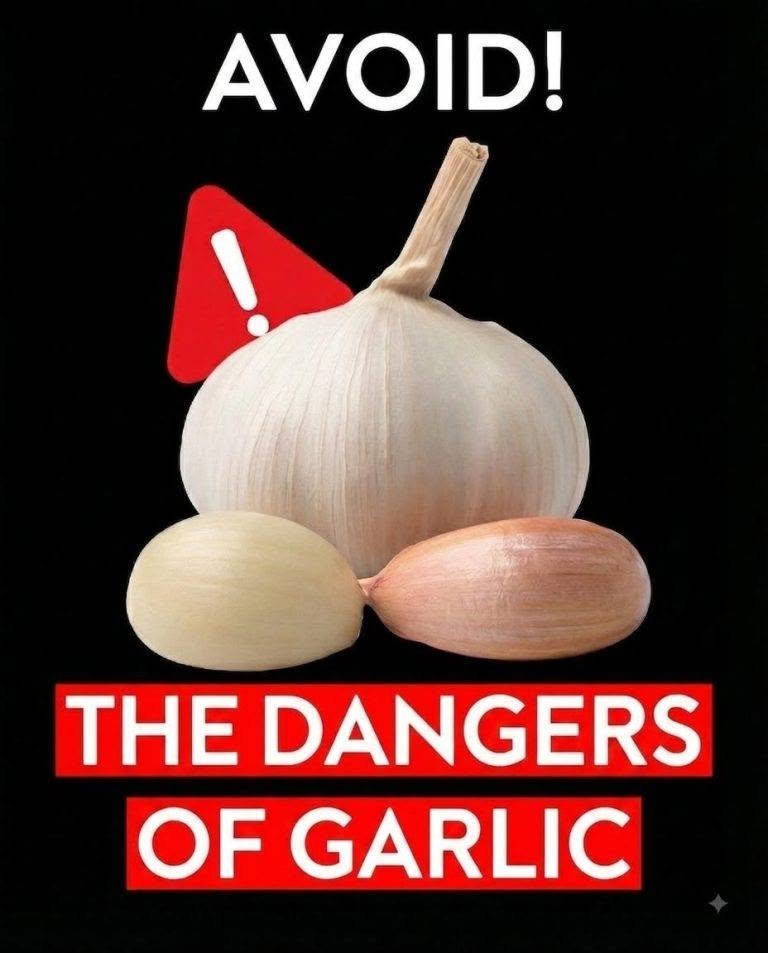
10 Mistakes Youlic is one of the most widely used ingredients in the world. It adds flavor to food and Should Avoid When Consuming Garlic
Garlic is one of the most widely used ingredients in the world. It adds flavor to food and contains sulfur-containing compounds that have been studied for their potential effects on cardiovascular health, blood pressure, and other aspects of health.
But garlic isn’t a miracle medicine, and more isn’t necessarily better.
Some popular internet practices—such as swallowing raw cloves whole or taking large amounts of garlic on an empty stomach—can cause problems.
Here are 10 mistakes worth avoiding.
1. Eating Huge Amounts of Raw Garlic
Raw garlic can be nutritious, but consuming large quantities doesn’t automatically provide greater health benefits.
Too much can cause:
- Heartburn
- Stomach discomfort
- Nausea
- Gas
- Bad breath
- Body odor
Start with normal culinary amounts and see how your body responds.
You don’t need to eat an entire bulb every day to benefit from garlic as part of a balanced diet.
2. Assuming Garlic Can Replace Medication
This is one of the most important mistakes.
Garlic may have modest effects on certain cardiovascular risk factors, but it cannot replace prescribed medication for high blood pressure, high cholesterol, infections, or other medical conditions.
If your doctor prescribed medication, don’t stop taking it because someone online says garlic is a natural alternative.
Use garlic as food—not as a substitute for medical treatment.
3. Swallowing Whole Cloves
Some people recommend swallowing an entire raw garlic clove like a pill.
There’s little reason to do this.
A whole clove can be difficult to digest, may cause stomach discomfort, and creates a choking hazard if swallowed improperly.
If you want garlic in your diet, incorporating it into meals is a much more sensible approach.
4. Eating Raw Garlic on an Empty Stomach
You’ve probably seen claims that eating raw garlic first thing in the morning “detoxes” the body or provides dramatically greater benefits.
There is no good reason to believe that garlic must be eaten on an empty stomach to be beneficial.
For some people, raw garlic without other food may actually cause more stomach irritation or heartburn.
If garlic bothers your stomach, eat it as part of a meal instead.
5. Using Garlic to Treat an Infection Without Medical Care
Garlic contains compounds with antimicrobial activity in laboratory studies.
That doesn’t mean eating garlic will cure a bacterial infection in your body.
If you have a serious infection, persistent fever, worsening pain, difficulty breathing, or another concerning symptom, seek appropriate medical care.
Don’t delay treatment while experimenting with garlic remedies.
6. Applying Raw Garlic Directly to the Skin
This is a particularly important warning.
Some online remedies recommend placing crushed garlic directly on:
- Warts
- Pimples
- Fungal infections
- Toothaches
- Skin rashes
Don’t assume that something is safe on your skin simply because it’s safe to eat.
Raw garlic can cause significant skin irritation and even chemical burns.
If you want to treat a skin condition, use a treatment designed for that condition rather than applying concentrated raw garlic.
7. Forgetting About Medication Interactions
Garlic may have effects on platelet function and blood clotting, particularly when consumed in concentrated supplement forms.
This matters if you’re taking medications that affect bleeding.
Examples include certain anticoagulant and antiplatelet medicines.
If you take blood-thinning medication, have a bleeding disorder, or are preparing for surgery, tell your doctor about any garlic supplements you’re taking.
Don’t suddenly begin taking concentrated garlic supplements without discussing them withwell after eating garlic, don’t force yourself to consume it because someone told you that it’s your healthcare professional.
8. Assuming Garlic Supplements Are the Same as Food
A clove of garlic used in cooking isn’t equivalent to a concentrated garlic supplement.
Supplements can contain substantially different amounts and forms of active compounds.
Some products are aged, powdered, extracted, or otherwise processed.
That means the effects and potential interactions can differ.
If you’re eating ordinary amounts of garlic in food, that’s very different from taking high-dose garlic extracts every day.
9. Ignoring Persistent Digestive Symptoms
Garlic can cause digestive symptoms in susceptible people.
It contains fructans, a type of fermentable carbohydrate that can trigger bloating, gas, abdominal discomfort, or altered bowel habits in some people—particularly those with irritable bowel syndrome (IBS).
If you repeatedly feel unwell after eating garlic, don’t force yourself to consume it because someone told you that it’s a “superfood.”
Try reducing the portion or discussing your symptoms with a healthcare professional.
10. Believing Every Garlic Health Claim Online
Garlic has a fascinating history in traditional medicine, and researchers have studied many of its compounds.
But that doesn’t mean every claim on social media is true.
Garlic is not proven to:
- “Detox” your blood
- Melt body fat
- Cure cancer
- Permanently eliminate high blood pressure
- Clean blocked arteries
- Replace antibiotics
- Reverse every chronic disease
Nutrition is rarely that simple.
Garlic can be part of a healthy eating pattern without having magical powers.
How to Get the Most From Garlic
For most people, the easiest approach is to use garlic normally in cooking.
Crushing or chopping garlic releases allicin-related sulfur compounds, which are responsible for much of garlic’s characteristic smell and have been extensively studied.
If you’re cooking with garlic, you can chop or crush it and allow it to sit briefly before cooking.
But don’t become obsessed with maximizing one particular compound. The overall quality of your diet matters much more than whether you waited a specific number of minutes before putting garlic in a pan.
Should You Eat Garlic Every Day?
If you enjoy garlic and tolerate it well, using it regularly in food is generally reasonable.
Think of it as one nutritious ingredient among many—not a daily medicine.
A heart-supportive eating pattern should include a variety of vegetables, fruits, whole grains, legumes, nuts, seeds, and appropriate protein sources.
Garlic can add flavor while helping you make healthy food more enjoyable.
Who Should Be Especially Careful?
Talk with a healthcare professional before taking concentrated garlic supplements if you:
- Take anticoagulant or antiplatelet medication
- Have a bleeding disorder
- Are preparing for surgery
- Develop significant digestive symptoms from garlic
- Have a known garlic allergy
A food allergy to garlic is uncommon, but reactions can occur.
Difficulty breathing, swelling of the lips or tongue, or widespread hives after eating garlic requires urgent medical attention.
The Bottom Line
Garlic can be a healthy and flavorful part of your diet, but you don’t need to turn it into a home remedy to benefit from it.
The biggest mistakes are consuming excessive amounts, swallowing whole raw cloves, taking concentrated supplements without considering medication interactions, applying raw garlic to your skin, and believing that garlic can replace medical treatment.
For most people, the safest strategy is simple:
Use garlic as food, consume reasonable amounts, and treat medical conditions with evidence-based care.
Garlic can certainly have a place in a healthy lifestyle—but there is no need to make it a miracle cure.