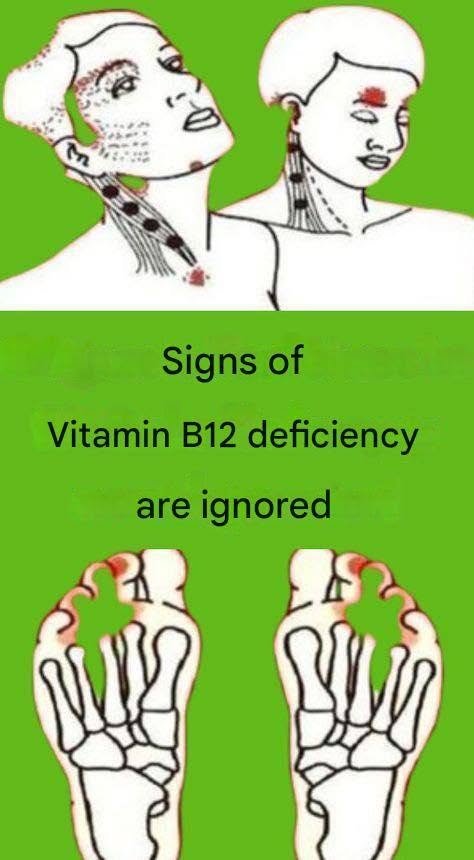
🧠 Signs of Vitamin B12 Deficiency That Are Often Ignored
Vitamin B12 is important for healthy red blood cells, nerves, and DNA production. A deficiency can develop gradually, and some early symptoms can be mistaken for stress, aging, or simply being tired.
Here are some signs worth noticing.
1. Constant Tiredness
Feeling unusually tired or weak can occur when B12 deficiency contributes to anemia. If fatigue continues despite adequate sleep, it may be worth discussing with a healthcare professional.
2. Tingling or Numbness
A “pins and needles” sensation, numbness, or burning in the hands or feet can occur when B12 deficiency affects the nervous system.
3. Memory or Concentration Problems
Some people develop difficulty concentrating, forgetfulness, or changes in thinking. These symptoms have many possible causes, so testing is important rather than assuming B12 is responsible.
4. Pale or Yellowish Skin
B12 deficiency can cause anemia, which may make the skin appear unusually pale. In some cases, changes in red blood cells can contribute to a slightly yellowish appearance.
5. A Sore or Smooth Tongue
A swollen, sore, or unusually smooth tongue—sometimes accompanied by mouth ulcers—can be associated with B12 deficiency.
6. Balance Problems
More significant deficiency can affect nerves and coordination, sometimes causing difficulty walking or maintaining balance.
7. Mood Changes
B12 deficiency may be associated with irritability, depression, or other changes in mood. These symptoms are nonspecific, but they shouldn’t be ignored if they persist.
8. Vision Changes
Rarely, prolonged B12 deficiency can affect the optic nerve and contribute to vision problems. New or unexplained changes in vision should be evaluated promptly.
🩺 Who Is More Likely to Develop B12 Deficiency?
Risk can be higher in people who:
-
Eat little or no animal-derived food without using fortified foods or supplements
-
Have conditions affecting nutrient absorption
-
Have had certain stomach or intestinal surgeries
-
Take certain medications, including long-term metformin or acid-suppressing medicines
-
Are older adults
⚠️ Don’t Self-Diagnose
These symptoms can occur with many other conditions, including iron deficiency, thyroid disorders, diabetes, and other nutritional deficiencies.
A healthcare professional can determine whether a blood test for vitamin B12 and related markers is appropriate.
💡 The Bottom Line
Vitamin B12 deficiency can sometimes develop slowly, and neurological symptoms may become significant if the deficiency remains untreated. If you have persistent fatigue, numbness, balance problems, or unexplained cognitive changes, talk with a healthcare professional rather than simply assuming it’s part of getting older.
The earlier a genuine deficiency is identified, the sooner the underlying cause can be addressed.