“Put 2 Drops in Your Ear and You Will Hear Like Before”: What You Should Really Know
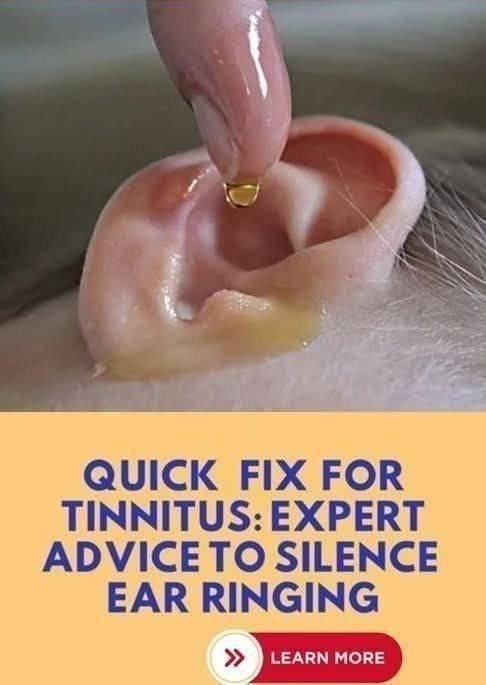
Claims that “two drops” of a particular oil, herbal mixture, or household ingredient can restore hearing are common online. Unfortunately, there is no universally proven ear drop that can reverse hearing loss simply by being placed in the ear.
Sometimes, however, drops can help with a specific and treatable cause of reduced hearing, particularly earwax buildup. That’s very different from restoring hearing caused by damage to the inner ear, aging, infection, noise exposure, or other medical conditions.
Why Your Hearing May Become Reduced
Hearing loss can have many different causes, and treatment depends on which part of the hearing system is affected.
1. Earwax Buildup
A blockage of earwax can make sounds seem muffled, as though your ear is plugged.
You might also experience:
- A feeling of fullness
- Ringing in the ear
- Reduced hearing
- Itching
- Occasionally discomfort
When excessive earwax is responsible, earwax-softening drops may help loosen the wax, allowing it to be removed naturally or by a healthcare professional.
This is probably the closest situation to the viral “put drops in your ear and hear better” claim—but the drops aren’t repairing damaged hearing. They’re addressing a blockage.
2. Ear Infections
Middle-ear or outer-ear infections can temporarily reduce hearing.
Other symptoms may include:
- Ear pain
- Drainage
- Fever
- Pressure or fullness
- Tenderness around the ear
Treatment depends on the type of infection. Some infections resolve without antibiotics, while others require specific treatment.
Don’t put random substances into an infected or painful ear.
3. Age-Related Hearing Loss
Age-related hearing loss usually develops gradually and commonly affects the ability to hear higher-pitched sounds and understand speech, particularly in noisy environments.
Ear drops cannot reverse age-related damage to the inner ear.
Depending on severity, hearing aids and other hearing technologies may significantly improve communication.
4. Noise-Induced Hearing Loss
Repeated exposure to loud music, machinery, explosions, or other intense sounds can damage delicate structures inside the inner ear.
Once these sensory structures are permanently damaged, ordinary ear drops cannot regenerate them.
The most important strategy is prevention:
- Reduce exposure to loud sounds
- Use appropriate hearing protection
- Keep personal audio at safer volume levels
- Give your ears breaks from loud environments
5. Problems With the Eardrum or Middle Ear
A perforated eardrum, fluid behind the eardrum, or problems involving the tiny middle-ear bones can also affect hearing.
These conditions require proper examination because some ear drops should not be used when the eardrum is perforated.
That’s one reason putting an unknown substance into your ear can be risky.
⚠️ Why “Natural Ear Drops” Can Be Dangerous
Online remedies may recommend putting substances such as:
- Oils
- Garlic preparations
- Hydrogen peroxide
- Alcohol
- Vinegar
- Herbal extracts
- Essential oils
into the ear.
Some commercially prepared ear drops are specifically formulated for particular purposes. That’s very different from putting homemade mixtures or concentrated substances into the ear.
A substance that is harmless on the skin may irritate the delicate tissues inside the ear.
And if there’s a perforated eardrum, certain substances can potentially cause serious injury to deeper structures.
Don’t Put Drops Into an Ear With a Suspected Perforated Eardrum
A perforated eardrum can occur because of:
- Infection
- Injury
- Sudden pressure changes
- Inserting objects into the ear
- Loud blasts
Possible symptoms include hearing loss, ear pain, drainage, or ringing.
If you suspect your eardrum is perforated, don’t experiment with home remedies. Have the ear examined.
Never Put Cotton Swabs Deep Into Your Ear
Cotton swabs are often used to remove earwax, but inserting them into the ear canal can push wax deeper.
They can also injure the ear canal or, in severe cases, perforate the eardrum.
The ear generally has its own mechanism for moving wax outward.
If wax is causing hearing problems, an appropriate earwax treatment or professional removal is safer than digging into the ear.
What If Your Ear Suddenly Goes Deaf?
This is extremely important.
If hearing suddenly disappears or becomes dramatically worse—particularly in one ear—don’t assume that earwax or a harmless blockage is responsible.
Sudden sensorineural hearing loss can require urgent medical evaluation and treatment.
Seek medical care promptly if you experience sudden hearing loss, especially if it’s accompanied by:
- Ringing in the ear
- Dizziness
- Ear pressure
- Balance problems
Waiting to see whether an internet remedy works can delay treatment when time may matter.
Can Earwax Drops Help?
They can, when earwax is actually the problem.
Products specifically designed to soften earwax may contain ingredients such as mineral oil, saline, or other approved preparations. Some products use carbamide peroxide.
However, not everyone should use earwax-softening drops.
Ask a healthcare professional first if you have:
- A hole in the eardrum
- Ear tubes
- Significant ear pain
- Ear drainage
- A history of ear surgery
- Uncertainty about what’s causing the hearing loss
What Should You Do About Persistent Hearing Loss?
If hearing has gradually declined, the most useful first step is usually a proper hearing evaluation.
A healthcare professional can examine the ear and determine whether the problem is related to:
- Wax
- Infection
- Eardrum problems
- Middle-ear fluid
- Inner-ear damage
- Age-related changes
- Medication effects
- Another medical condition
A hearing test can determine how severe the loss is and what frequencies are affected.
What Actually Helps Hearing Loss?
Treatment depends on the cause.
If It’s Earwax
Appropriate wax-softening treatment or professional removal may restore hearing.
If It’s an Infection
Treatment depends on the type of infection and may involve observation, medication, or other care.
If It’s Permanent Sensorineural Hearing Loss
Options can include:
- Hearing aids
- Assistive listening devices
- Cochlear implants for appropriately selected patients
- Communication strategies and rehabilitation
If a Medication Is Contributing
A doctor may review the medication and determine whether an alternative is appropriate.
Never stop a prescribed medication on your own because you suspect it is affecting your hearing.
The Bottom Line
The promise that “two drops will restore your hearing like before” is not supported as a general treatment for hearing loss.
If your hearing is reduced because of earwax, an appropriate earwax treatment may help by removing the blockage. But drops cannot simply regenerate damaged inner-ear structures or reverse most age-related or noise-induced hearing loss.
Most importantly, don’t put an unknown substance into your ear—particularly if you have pain, drainage, previous ear surgery, ear tubes, or a possible perforated eardrum.
And if hearing loss happens suddenly, seek medical attention promptly rather than trying an internet remedy. Sudden hearing loss can be a medical emergency where early assessment matters.