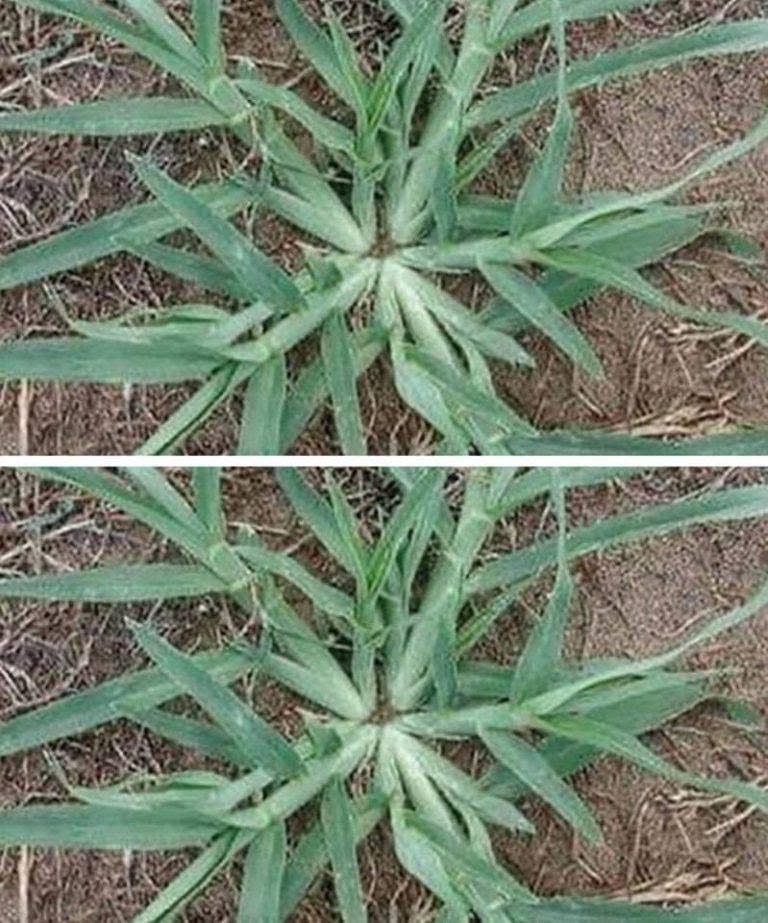
Never Uproot This Plant If It Appears in Your Garden 🌿
Before pulling up an unfamiliar plant from your garden, take a moment to identify it. Some plants that look like weeds can actually be useful, attractive, or important for local wildlife.
But there is no single plant that should always be left alone. Some wild plants can be invasive, poisonous, or harmful to pets and children.
Why You Should Identify It First
An unexpected plant may be:
-
A beneficial native wildflower
-
A herb or edible plant
-
A plant that attracts bees and butterflies
-
A volunteer plant grown from a dropped seed
-
An invasive species that should actually be removed
A Common Example: Dandelion
Dandelion is often treated as a weed, but it can provide food for pollinators and has a long history of culinary use.
However, whether you should keep it depends on your garden goals and local conditions.
Be Careful With Unknown Plants
Never eat an unidentified wild plant. Some harmless-looking plants can be poisonous, and identification based solely on a photograph can be unreliable.
Likewise, avoid handling unfamiliar plants if they have irritating sap, thorns, or other potentially harmful characteristics.
The Smart Approach
If a mysterious plant appears in your garden:
-
Take clear photos of the leaves, flowers, stem, and entire plant.
-
Identify the species using a reliable plant-identification resource.
-
Check whether it’s native, invasive, poisonous, or protected in your area.
-
Only then decide whether to keep or remove it.
🌱 Bottom Line
The best gardening rule isn’t “never uproot this plant.” It’s “identify it before you uproot it.”