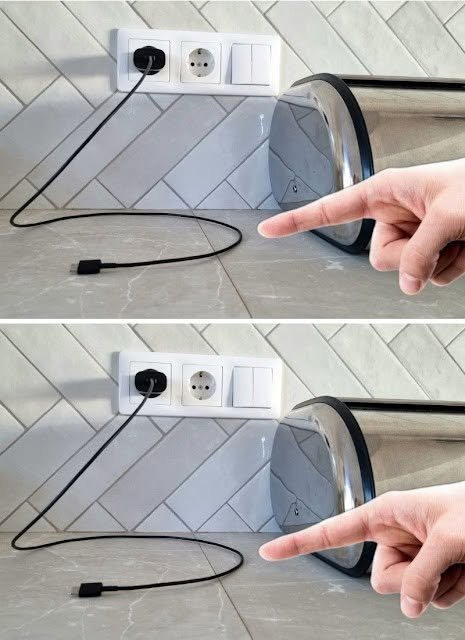
NEVER Leave a Charger in an Outlet Without Your Phone: 3 Main Reasons
You may have heard the warning: “Never leave your phone charger plugged into the wall when your phone isn’t connected.”
But is an empty charger really dangerous?
The answer is more nuanced.
A modern, good-quality charger in good condition generally uses only a very small amount of electricity when it isn’t charging a device. It isn’t automatically going to overheat or start a fire simply because your phone isn’t connected.
However, unplugging chargers when they’re not needed is still a sensible safety habit, especially when you’re leaving home for a long time.
Here are three reasons worth knowing.
1. An Unused Charger Still Draws Some Electricity
When a charger remains plugged into an outlet, it can consume a small amount of standby electricity even when your phone isn’t attached.
The amount used by one modern charger is generally very small.
So if you leave one charger plugged in overnight, you’re unlikely to see a dramatic difference on your electricity bill.
But consider how many adapters you may have around your home:
- Phone chargers
- Tablet chargers
- Laptop adapters
- Smartwatch chargers
- Game-console accessories
- Other electronic power supplies
When many devices remain connected continuously, their standby consumption can add up.
Unplugging chargers you’re not using eliminates that particular standby consumption.
2. Damaged or Poor-Quality Chargers Can Be a Safety Risk
This is more important than the tiny amount of electricity an unused charger consumes.
Electrical equipment can become dangerous when it’s damaged, defective, counterfeit, or poorly manufactured.
Inspect your charger regularly.
Look for warning signs such as:
- Cracked plastic
- Exposed wires
- Bent or damaged plugs
- Loose connections
- Burn marks
- Unusual smells
- Excessive heat
- Buzzing or unusual noises
If you notice any of these signs, stop using the charger and replace it.
Don’t try to repair a damaged mains charger yourself unless you’re appropriately qualified to do so.
Be Careful With Counterfeit Chargers
Cheap chargers can be tempting, but electrical safety is not an area where cutting corners is worthwhile.
A reputable charger designed to meet applicable safety standards should include appropriate electrical protection.
Counterfeit or poorly made products may not provide the same level of protection.
When purchasing replacement chargers, choose products from reputable manufacturers and trusted retailers.
3. A Plugged-In Charger Remains Connected to the Mains
Even when your phone isn’t attached, the charger’s power supply remains connected to household electricity.
Modern chargers contain protective electronics, and a properly manufactured charger should be designed to operate safely under normal conditions.
But no electrical device is completely immune to failure.
Unplugging a charger when you don’t need it removes that device from the electrical supply.
This can be particularly sensible when:
- You’re leaving home for an extended period
- The charger is old or damaged
- The electrical outlet is loose or damaged
- The area is exposed to moisture
- You’re unsure of the charger’s quality
It’s a simple precaution that costs nothing.
Does an Empty Charger Automatically Start a Fire?
No.
This is where viral warnings often go too far.
A modern, undamaged charger from a reputable manufacturer isn’t automatically a fire hazard simply because your phone isn’t connected.
The greater concern is a combination of faulty equipment, poor-quality products, damaged wiring, overheating, or unsafe charging conditions.
So don’t panic if you discover that you’ve accidentally left a charger plugged into the wall.
Instead, inspect it and use common sense.
Never Cover a Charger While It’s in Use
Heat needs somewhere to escape.
Don’t put a charging phone or power adapter under:
- Pillows
- Blankets
- Clothing
- Thick bedding
- Other materials that can trap heat
A charger that is already warm should have adequate ventilation.
Keep charging equipment away from water and damp areas as well.
What About Overnight Charging?
Many people charge their phones while sleeping.
Using a modern phone with a suitable, undamaged charger overnight isn’t inherently dangerous.
However, safe charging practices still matter.
Keep the phone and charger on a hard, stable surface where heat can dissipate.
Don’t charge underneath your pillow or blankets.
If your charger, cable, or phone becomes unusually hot, disconnect it and investigate the problem.
What If the Outlet Is Loose?
A loose electrical outlet deserves attention.
If a plug doesn’t fit securely, repeatedly falls out, sparks, feels unusually hot, or shows signs of discoloration, don’t continue using it as though nothing is wrong.
A loose electrical connection can create heat and increase the risk of electrical problems.
Have a qualified electrician inspect or repair a damaged outlet.
What About Power Strips?
The same basic principles apply to power strips and extension cords.
Don’t overload them.
Avoid connecting high-power appliances to a power strip unless the strip is specifically designed and rated for the load.
Keep cords in good condition and don’t use damaged equipment.
Remember that a phone charger uses relatively little power compared with appliances such as heaters, kettles, ovens, or air conditioners.
Three Simple Habits That Make a Difference
Instead of worrying about every empty charger, follow three simple habits.
Check Your Chargers
Every few weeks, take a quick look at your cables and adapters.
Replace anything damaged, cracked, frayed, or unusually hot.
Buy Quality Products
Choose reputable manufacturers and products that meet the relevant safety requirements in your country.
Avoid suspiciously cheap counterfeit electrical equipment.
Unplug What You Don’t Need
If a charger isn’t being used, unplugging it is a simple way to eliminate its standby electricity consumption and remove the adapter from the mains.
You don’t need to obsessively unplug every device every few minutes.
Just make it a habit when practical.
A Common Myth: “The Charger Pulls Full Power Without the Phone”
That’s not how modern phone chargers generally work.
A charger doesn’t continuously deliver the same amount of power it would provide while actively charging a phone.
When no device is connected, a modern charger typically enters a low-power standby state.
So the idea that an empty charger is consuming the same amount of electricity as a phone actively charging is misleading.
What You Should Actually Worry About
If you’re concerned about electrical safety, focus on the factors that genuinely matter.
Damaged equipment is more concerning than an empty charger.
Counterfeit equipment is more concerning than a reputable charger.
Poor ventilation and overheating are more concerning than simply leaving an adapter plugged in.
A damaged electrical outlet is more concerning than a normal functioning outlet.
These are the situations where extra caution is justified.
Before Leaving Your Home
If you’re going away for several days, it’s reasonable to unplug unnecessary chargers and other electrical equipment.
You can also check that:
- Chargers aren’t damaged
- No cables are exposed
- Electrical outlets aren’t showing signs of overheating
- Devices aren’t covered by clothing or bedding
- Water isn’t near electrical equipment
This takes only a few minutes and gives you one less thing to worry about while you’re away.
The Bottom Line
The headline “NEVER leave a charger in an outlet without your phone” makes the situation sound more dangerous than it really is.
A modern, good-quality charger doesn’t automatically become a fire hazard just because your phone isn’t connected.
Nevertheless, unplugging unused chargers is a simple and sensible habit.
The three main reasons are:
1. It eliminates the charger’s small standby electricity consumption.
2. It removes damaged or defective chargers from the electrical supply.
3. It reduces the amount of electrical equipment left energized when you’re away or don’t need it.
The most important rule isn’t simply “never leave a charger plugged in.”
It’s this:
Use quality charging equipment, replace anything damaged, keep chargers properly ventilated, and unplug unnecessary electrical devices when practical.
That approach is safer, more realistic, and far more useful than believing every viral warning about phone chargers.