Mix Cloves With Petroleum Jelly: What This which has antimicrobial and numbing properties in laboratory and dental applications. However, that doesn’t mean rubbing cloves mixed with petroleum jelly on your Viral Remedy Really Does
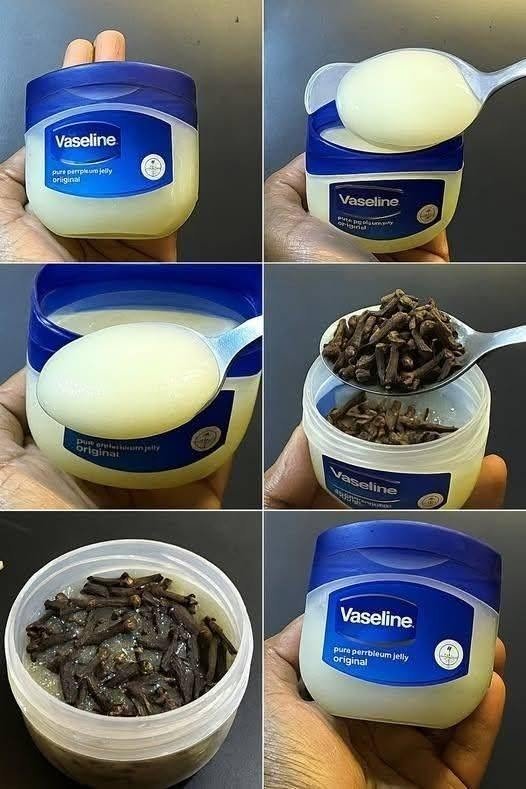
Mixing ground cloves with petroleum jelly (Vaseline) is a popular DIY remedy online. It’s often promoted for everything from dry skin and wrinkles to joint pain, itching, and even dental problems.
But there isn’t good scientific evidence that this mixture is a miracle treatment.
What Do the Ingredients Actually Do?
Petroleum jelly is a well-established skin protectant. It forms an occlusive layer that reduces water loss, making it useful for dry, cracked, or irritated skin.
Cloves contain compounds such as eugenol, which has antimicrobial and numbing properties in laboratory and dental applications. However, that doesn’t mean rubbing cloves mixed with petroleum jelly on your skin will treat infections or pain.
Could It Help Dry Skin?
Petroleum jelly itself can help seal moisture into dry skin.
If you’re using the mixture for dry hands, elbows, heels, or other intact areas, the petroleum jelly is likely doing most of the moisturizing work.
You don’t need cloves to get that benefit.
What About Pain or Joint Problems?
Online posts sometimes claim that clove and petroleum jelly can eliminate arthritis, back pain, or joint inflammation.
Those claims aren’t well supported.
The mixture shouldn’t be considered a replacement for appropriate treatment if you have persistent or severe pain.
Be Careful With Clove Oil
Clove essential oil is much more concentrated than ordinary ground cloves.
Applying concentrated clove oil directly to the skin can cause irritation or allergic reactions, particularly if it’s not properly diluted.
Don’t assume that because cloves are a food, concentrated clove oil is automatically safe to apply anywhere on your body.
Don’t Put It Inside Your Mouth as a DIY Treatment
Clove or clove oil is sometimes used in dental products because of eugenol’s properties, but homemade mixtures aren’t equivalent to professionally formulated dental treatments.
Avoid putting an improvised clove-and-petroleum-jelly mixture on damaged gums, open wounds, or inside your mouth.
Patch-Test First
If you still want to try a small amount on intact skin, test it on a small area first.
Stop using it if you develop:
- Burning
- Redness
- Swelling
- Itching
- Rash
- Blistering
And don’t apply it to broken or infected skin unless a healthcare professional recommends doing so.
The Bottom Line
Cloves + petroleum jelly isn’t a secret cure-all.
Petroleum jelly is genuinely useful for protecting and moisturizing dry skin, while cloves contain biologically active compounds—but evidence that this homemade combination treats wrinkles, infections, joint pain, or other medical conditions is lacking.
If the goal is simply softer, less-dry skin, plain petroleum jelly is usually the simpler and more predictable option.