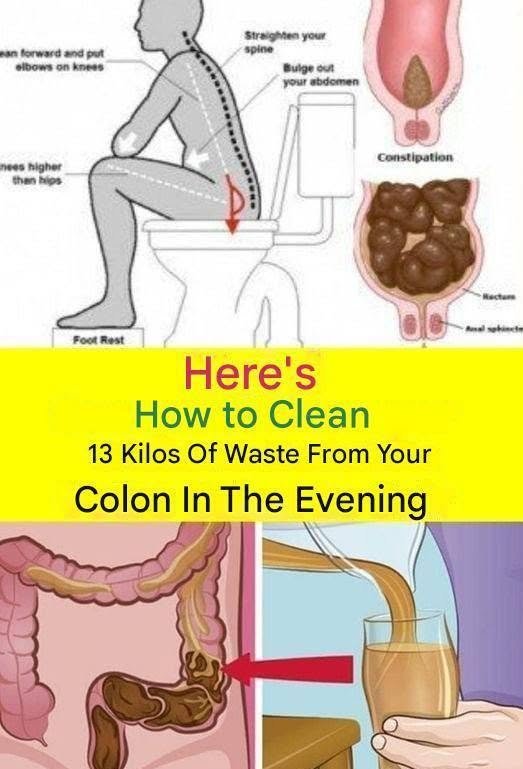
Trying to force an overnight bowel emptying with extreme laxatives, enemas, fasting, or homemade mixtures can cause dehydration, dangerous electrolyte changes, kidney problems, and intestinal injury.
Learn How to Support a Healthy, Regular Colon
1. Understand What Happens Naturally
Your digestive tract continuously moves food and waste forward.
After food is digested and nutrients are absorbed, the remaining material reaches the large intestine, where water is absorbed and stool is formed.
You don’t normally need to “scrape” or “flush” old waste from the colon.
2. Don’t Chase a Huge Number on the Scale
If someone takes a powerful laxative and loses several pounds overnight, that doesn’t mean they eliminated several pounds of toxins.
The temporary change can largely represent:
- Water
- Stool
- Intestinal contents
It is not equivalent to losing body fat, and much of the weight returns after normal eating and drinking resume.
3. Increase Fiber Gradually
For long-term bowel regularity, dietary fiber is much more useful than an aggressive cleanse.
Good sources include:
- Beans and lentils
- Vegetables
- Fruits
- Whole grains
- Nuts and seeds
Increase fiber gradually because a sudden large increase can cause bloating and gas.
4. Drink Enough Fluids
Adequate hydration helps keep stool softer, particularly when you’re increasing fiber.
But drinking enormous quantities of water isn’t a colon-cleanse treatment and can itself be dangerous.
Aim for normal hydration rather than trying to force a massive bowel movement.
5. Stay Physically Active
Regular physical activity can support normal bowel function.
Walking, cycling, swimming, and other appropriate activities can be incorporated into your daily routine.
You don’t need an extreme workout to benefit.
6. Don’t Ignore the Urge to Go
Repeatedly delaying bowel movements can contribute to constipation.
When you feel the urge, give yourself enough time to use the bathroom rather than continually postponing it.
A regular toilet routine can also help some people establish more predictable bowel habits.
7. Be Careful With Laxatives
Laxatives can be useful when appropriately selected and used, but taking very large doses to completely empty the colon isn’t a safe home detox strategy.
If you regularly need laxatives to have a bowel movement, speak with a healthcare professional to determine why you’re constipated and which treatment is appropriate.
8. Avoid Homemade “Colon Detox” Recipes
Be skeptical of recipes involving large amounts of:
- Salt water
- Baking soda
- Vinegar
- Herbal laxatives
- Oil
- Concentrated supplements
A substance being described as “natural” doesn’t make it safe at high doses.
Some mixtures can cause severe diarrhea, dehydration, electrolyte disturbances, or medication interactions.
9. Colonoscopy Preparation Is Different
Doctors sometimes intentionally empty the colon before a colonoscopy.
That preparation uses a specific bowel-cleansing regimen prescribed or recommended by the medical team. It is designed to allow the doctor to see the intestinal lining clearly.
It should not be confused with routine detoxification.
If you’re preparing for a colonoscopy, follow your healthcare team’s instructions exactly.
10. Persistent Constipation Needs a Cause, Not a Cleanse
Frequent constipation can be related to:
- Low fiber intake
- Inadequate fluid intake
- Limited physical activity
- Certain medications
- Irritable bowel syndrome
- Pelvic-floor problems
- Thyroid or metabolic disorders
- Other gastrointestinal conditions
Repeatedly “cleansing” the colon won’t address an underlying cause.
When to Seek Medical Advice
Talk with a healthcare professional if constipation persists or you experience a significant change in bowel habits, particularly with:
- Blood in the stool
- Unexplained weight loss
- Persistent abdominal pain
- Persistent vomiting
- Fever
- Significant or worsening bloating
- Unusual weakness
Severe abdominal pain, repeated vomiting, marked abdominal swelling, or inability to pass stool or gas can require urgent medical assessment because bowel obstruction and other serious conditions need to be ruled out.
A Safer One-Night Approach
If you’re simply feeling constipated tonight, don’t attempt to remove an imaginary 15 kilograms of waste.
Instead:
Tonight: eat normally, drink fluids according to your usual needs, and avoid extreme detox products.
Tomorrow: stay active, eat fiber-rich foods, and respond to your body’s urge to have a bowel movement.
If constipation continues, ask a pharmacist or healthcare professional about an evidence-based treatment appropriate for you.
Final Takeaway
There is no safe, proven recipe for removing 15 kilograms of colon waste overnight.
Your colon is not normally a storage container filled with decades of accumulated toxins. Its contents naturally change as food moves through the digestive system.
If your real concern is constipation, bloating, or difficulty having bowel movements, treating the underlying problem is far safer and more effective than attempting an aggressive “colon cleanse.”