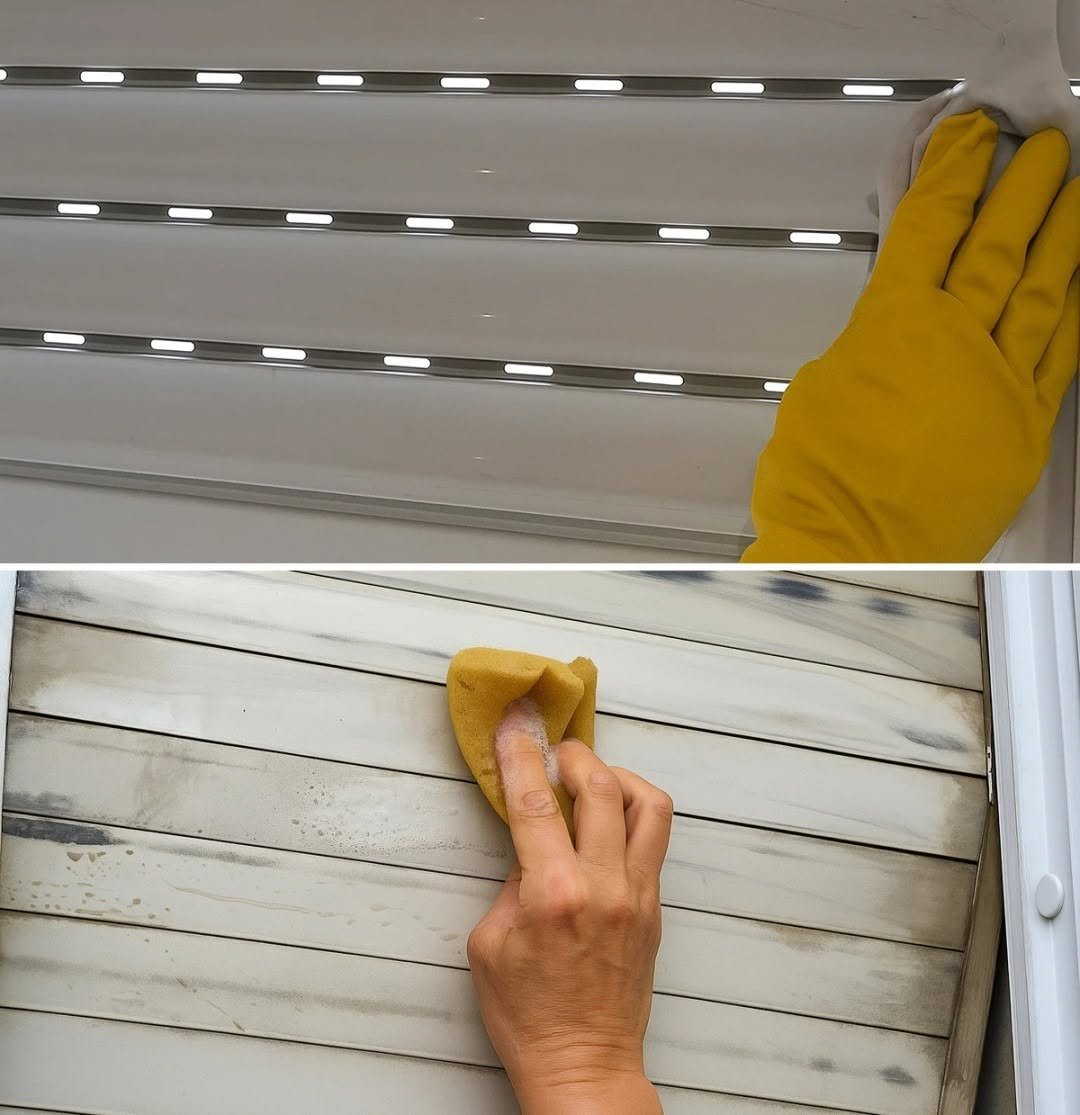
How to Clean Shutters and Make Them Look Brand New Again
Shutters can collect dust, grease, fingerprints, and grime, especially around the louvers and hinges. The good news is that you usually don’t need expensive cleaners or complicated equipment.
1. Start With Dry Dusting
Before using any liquid, remove loose dust with a microfiber cloth, soft duster, or vacuum with a brush attachment.
Work from the top down so dust doesn’t settle on areas you’ve already cleaned.
2. Make a Gentle Cleaning Solution
Mix:
-
1 bowl of warm water
-
A few drops of mild dishwashing liquid
You don’t need a lot of soap. Too much can leave a sticky residue.
3. Clean the Louvers
Dip a microfiber cloth into the solution and wring it out very well.
Wipe each louver carefully, working from one side to the other. For narrow spaces, a soft toothbrush or small cleaning brush can help loosen stubborn dirt.
4. Remove Greasy Spots
For kitchen shutters, grease may require a little more attention. Use the diluted dish-soap solution and gently wipe the affected area.
Avoid aggressive scrubbing, which can damage painted or coated surfaces.
5. Wipe Away Soap
Use a separate slightly damp microfiber cloth to remove any remaining cleaner.
6. Dry Immediately
Follow with a clean, dry cloth. Avoid leaving water sitting on the shutters, particularly around joints, hinges, or wooden surfaces.
7. Don’t Soak Wooden Shutters
If your shutters are made from real wood, excessive water can cause swelling, staining, or finish damage.
Use a barely damp cloth rather than spraying cleaner directly onto the shutters.
8. Pay Attention to Hinges and Corners
Dust and grime often accumulate around hinges, corners, and the edges of the frame.
A soft brush or cotton swab can make these small areas easier to clean.
9. Avoid Harsh Cleaners
Avoid abrasive powders, rough sponges, bleach, and strong solvents unless the shutter manufacturer specifically says they’re safe. These products can dull finishes or damage paint.
The Simple “Before and After” Trick
The biggest improvement often comes from cleaning in two stages: dry dust first, then a lightly damp microfiber cloth. This prevents loose dust from turning into muddy streaks.
How Often Should You Clean?
For most homes, a light dusting weekly or every couple of weeks and a deeper cleaning every few months is enough. Kitchen and high-traffic areas may need more frequent cleaning.
Bottom Line
You don’t need a miracle product to refresh dirty shutters. Gentle soap, warm water, microfiber cloths, and a little patience can make a dramatic difference while protecting the finish.