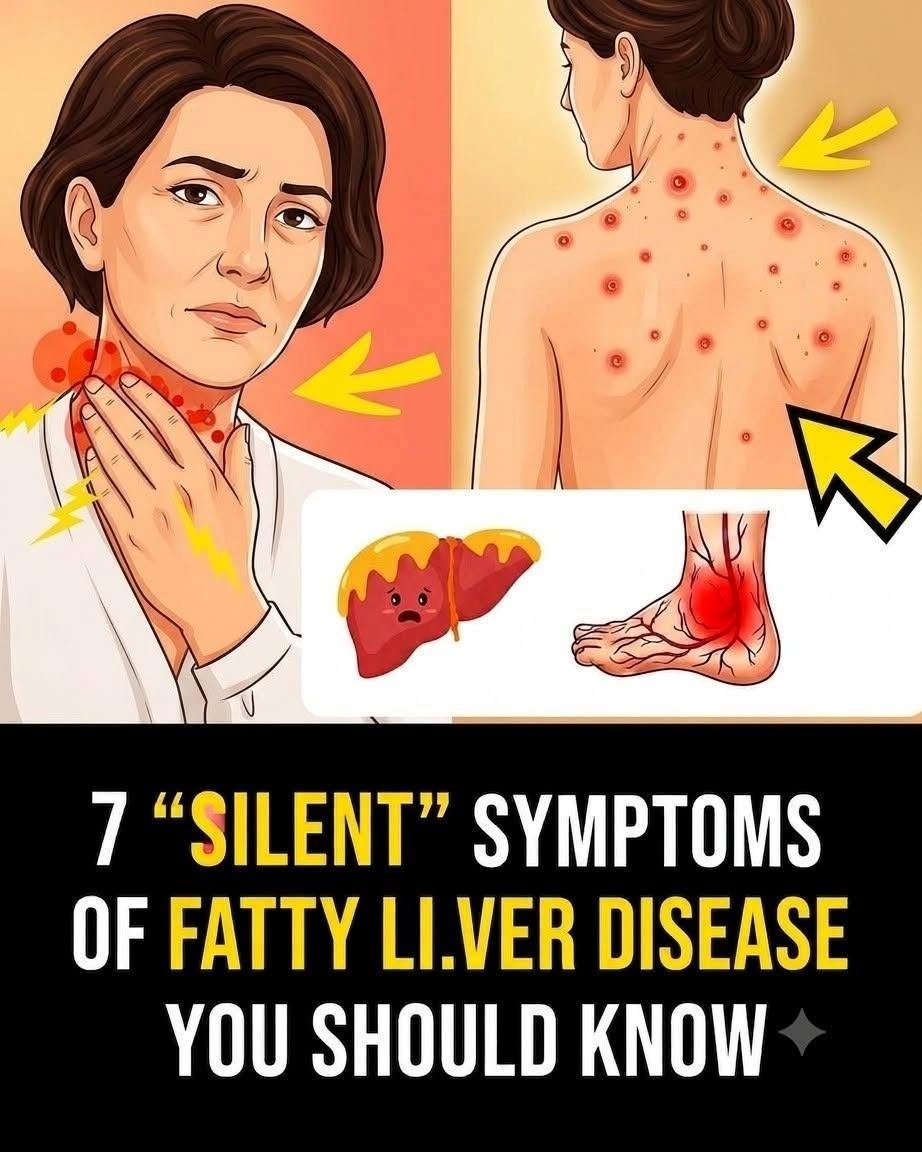
Fatty Liver Often Has Few Obvious Symptoms — But These 7 Signs May Be Worth Noticing
Fatty liver disease can develop quietly. Many people have no noticeable symptoms, especially in the early stages, and may only discover that they have excess fat in the liver during routine blood tests or an abdominal scan.
When symptoms do occur, they can be vague and may have many possible causes. That is why symptoms alone cannot confirm fatty liver disease. A healthcare professional may use your medical history, blood tests, imaging, and sometimes other tests to determine what is happening.
Here are seven signs that may be worth paying attention to.
1. Unusual or Persistent Fatigue
Feeling tired from time to time is normal, but persistent or unexplained fatigue may occur in some people with fatty liver disease.
However, tiredness is extremely common and can also result from poor sleep, stress, anemia, thyroid problems, infections, medications, and many other conditions.
If fatigue continues without an obvious explanation, it’s worth discussing with a healthcare professional rather than assuming it is caused by your liver.
2. Discomfort in the Upper Right Abdomen
Some people with fatty liver disease experience a dull ache, pressure, or discomfort in the upper-right portion of the abdomen, where the liver is located.
This symptom isn’t specific to fatty liver. Gallbladder problems, stomach disorders, muscle pain, and other conditions can cause similar discomfort.
Persistent or worsening abdominal pain should be evaluated rather than self-diagnosed.
3. Feeling Generally Unwell
Some people with liver disease describe a vague feeling of being unwell or lacking their usual energy.
Because this sensation is nonspecific, it is difficult to identify fatty liver based on it alone. If it occurs together with other changes—such as abnormal liver blood tests, unexplained fatigue, or metabolic health problems—it may be worth investigating further.
4. Unexplained Weight Changes
Fatty liver is strongly associated with metabolic conditions such as obesity, insulin resistance, and type 2 diabetes. Changes in body weight can therefore be relevant to overall liver health.
Unexpected weight loss, however, should not simply be attributed to fatty liver. Unintentional weight loss can have many causes and deserves medical evaluation, particularly when it is substantial or accompanied by other symptoms.
5. Yellowing of the Skin or Eyes
Yellow skin or yellowing of the whites of the eyes—known as jaundice—is not usually a sign of uncomplicated early fatty liver.
When jaundice develops, it can indicate more significant liver dysfunction or another problem affecting the liver, gallbladder, or bile ducts.
If you notice new yellowing of your skin or eyes, particularly with dark urine or pale stools, seek medical advice promptly.
6. Swelling in the Legs or Abdomen
Swelling of the ankles, legs, or abdomen can occur with advanced liver disease because severe liver dysfunction can contribute to fluid accumulation.
This is not a typical early symptom of simple fatty liver. If significant abdominal swelling or leg swelling develops, it should be medically assessed because heart, kidney, liver, and other conditions can all cause fluid retention.
7. Easy Bruising or Bleeding
The liver plays an important role in producing proteins involved in blood clotting. Significant liver dysfunction can therefore contribute to easier bruising or bleeding.
Again, this is more concerning for advanced liver disease than uncomplicated early fatty liver. Frequent unexplained bruising, prolonged bleeding, or other unusual bleeding should be discussed with a healthcare professional.
Why Fatty Liver Can Be Difficult to Detect
One of the biggest challenges with fatty liver disease is that symptoms are often absent or nonspecific.
A person can feel completely normal while fat is accumulating in the liver. This is why risk factors can be important. Fatty liver is commonly associated with:
-
Overweight or obesity
-
Type 2 diabetes or insulin resistance
-
High cholesterol or triglycerides
-
High blood pressure
-
Metabolic syndrome
-
A diet high in calories, added sugars, or unhealthy fats
-
Certain medications or medical conditions
-
Alcohol consumption, depending on the type of fatty liver disease
Having a risk factor does not automatically mean you have fatty liver, but it may be a reason to discuss liver health with your healthcare professional.
How Is Fatty Liver Diagnosed?
Symptoms alone cannot diagnose fatty liver disease.
Doctors may consider:
-
Your medical and medication history
-
Blood tests, including liver enzymes
-
Ultrasound or other liver imaging
-
Tests that estimate the amount of liver fibrosis or scarring
-
Additional testing when another liver condition needs to be ruled out
In some situations, more specialized testing may be recommended.
When Should You See a Doctor?
Consider speaking with a healthcare professional if you have persistent unexplained fatigue, ongoing upper-abdominal discomfort, abnormal liver blood tests, or several risk factors for fatty liver disease.
Seek prompt medical attention if you develop yellowing of the eyes or skin, significant abdominal swelling, vomiting blood, black or bloody stools, confusion, severe abdominal pain, or sudden deterioration in your condition.
The Bottom Line
Fatty liver often causes few or no obvious symptoms, particularly early on. The seven signs above can occur with liver disease, but most are not specific enough to tell you whether fatty liver is the cause.
The good news is that fatty liver can often be identified through appropriate evaluation, and addressing underlying metabolic or lifestyle factors can be an important part of managing the condition.
If you are concerned about your liver health, don’t wait for symptoms to become severe. A conversation with a healthcare professional can help determine whether testing is appropriate.
Important: This article is for general educational purposes and is not a diagnosis or a substitute for personalized medical advice.