🧠 Early Warning Signs Your Body May Give Before a Stroke
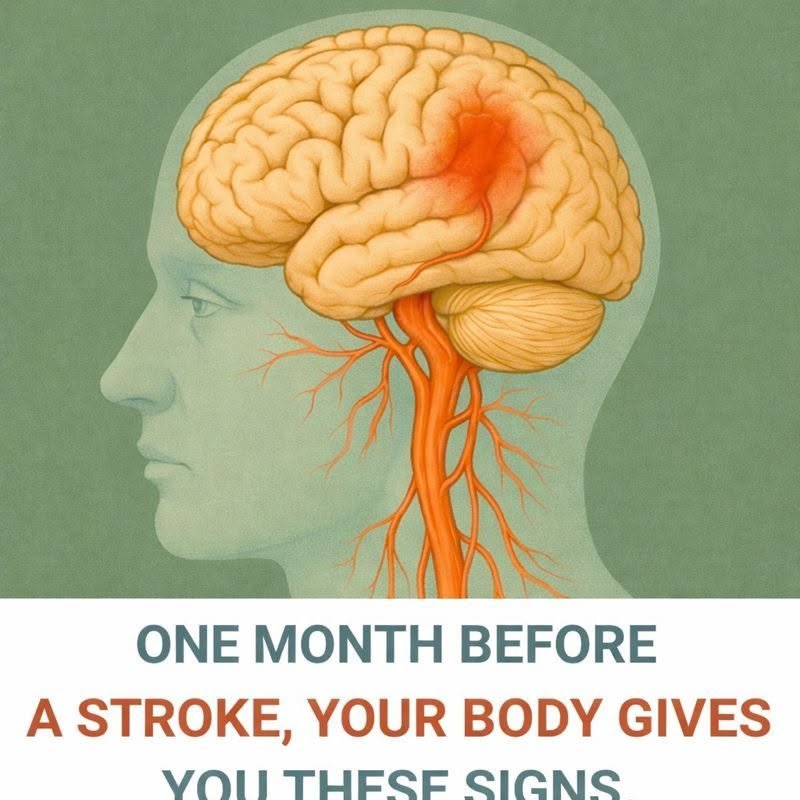
A stroke can happen suddenly, but some people experience warning symptoms beforehand. The most important example is a transient ischemic attack (TIA), sometimes called a “mini-stroke.”
A TIA occurs when blood flow to part of the brain is temporarily blocked. The symptoms can disappear within minutes or hours, but that doesn’t make them harmless. A TIA can be a warning that a major stroke may follow.
🚨 The Most Important Warning Signs
Think BE FAST:
B — Balance
Sudden difficulty walking, loss of coordination, dizziness, or unexplained trouble maintaining balance.
E — Eyes
Sudden vision loss, blurred or double vision, or loss of vision in one or both eyes.
F — Face
Ask the person to smile.
One side of the face may droop or feel numb.
A — Arms
Ask the person to raise both arms.
One arm may become weak, numb, or drift downward.
S — Speech
Speech may suddenly become:
- Slurred
- Difficult to understand
- Confused
- Inappropriate
- Difficult to produce
The person may also have trouble understanding what others are saying.
T — Time
Time is critical.
If any of these symptoms appear suddenly, seek emergency medical care immediately—even if they disappear.
⚠️ Symptoms Can Be More Subtle
Not every stroke begins with the classic face-and-arm symptoms.
Other sudden neurological symptoms can include:
- Severe unexplained headache
- Sudden confusion
- Sudden numbness or weakness, particularly on one side
- Sudden difficulty swallowing
- Sudden trouble seeing
- Sudden difficulty may suddenly have a weak arm or slurred speech, feel better 10 or 20 minutes later, and decide they don’t need help walking
- Sudden loss of coordination
- Sudden difficulty understanding or expressing language
A particularly severe headache accompanied by neurological symptoms deserves urgent attention.
⏰ What If the Symptoms Go Away?
This is one of the biggest mistakes people make.
Someone may suddenly have a weak arm or slurred speech, feel better 10 or 20 minutes later, and decide they don’t need help.
Don’t assume that.
Temporary symptoms can be a TIA, and a TIA requires urgent medical assessment because it can signal a higher risk of a subsequent stroke.
Write down when the symptoms started (or the last time the person was known to be normal). This information can be extremely important to medical professionals.
🩺 What About Symptoms Days or Weeks Before a Stroke?
You may see headlines claiming that your body gives specific warning signs “a month before a stroke.”
That’s an oversimplification.
There isn’t a reliable checklist of symptoms that predicts exactly when someone will have a stroke.
However, certain conditions can increase stroke risk, including:
- High blood pressure
- Atrial fibrillation
- Diabetes
- High cholesterol
- Smoking
- Previous TIA or stroke
- Certain heart conditions
- Obesity and physical inactivity
Managing these risk factors is much more useful than trying to predict a stroke from vague symptoms such as waking at a particular time, having a headache, or feeling tired.
❤️ What You Can Do to Lower Your Risk
Some of the most important prevention steps are surprisingly straightforward.
Control blood pressure
High blood pressure is one of the major modifiable risk factors for stroke. Check it regularly and take prescribed medication consistently.
Don’t smoke
Smoking damages blood vessels and substantially increases cardiovascular risk.
Manage diabetes and cholesterol
If you have diabetes or high cholesterol, follow your healthcare professional’s treatment plan.
Stay active
Regular physical activity helps with blood pressure, cardiovascular health, blood sugar, and weight management.
Take atrial fibrillation seriously
Atrial fibrillation can allow blood clots to form in the heart, which can travel to the brain and cause an ischemic stroke.
If you’ve been prescribed a blood thinner or another medication for AFib, don’t stop it without medical advice.
🚑 When to Call for Emergency Help
If you or someone near you develops sudden facial drooping, arm weakness, speech difficulty, vision loss, severe imbalance, or another sudden neurological change, treat it as a possible stroke.
Don’t drive yourself to the hospital if emergency medical services are available.
Don’t wait to see whether it improves.
Don’t take a random medication or home remedy in an attempt to reverse it.
Every minute matters because brain tissue can be permanently damaged when blood flow is interrupted.
The Bottom Line
The most important “early warning sign” isn’t a particular food craving, headache pattern, sleep schedule, or body sensation.
It’s sudden neurological change.
Remember BE FAST: Balance, Eyes, Face, Arms, Speech, Time.
If these symptoms appear—even if they disappear—get emergency medical evaluation immediately.