Doctors Reveal What Eating Eggs in the Morning Can Cause
You’ve probably seen headlines claiming that eating eggs every morning can cause a serious health problem. The truth is more nuanced: for most healthy people, eggs can be part of a nutritious breakfast, and there is no general medical warning against eating eggs in the morning.
🥚 1. They Can Help You Feel Full
Eggs provide high-quality protein, which can help you feel satisfied after breakfast. This may make it easier for some people to control their overall food intake.
However, eggs aren’t a magic weight-loss food. Your total diet and calorie intake matter much more than the time of day you eat them.
❤️ 2. They Don’t Automatically Cause High Cholesterol
Eggs contain dietary cholesterol, but blood cholesterol is influenced by many factors, including genetics, saturated-fat intake, body weight, and overall diet.
For most healthy people, moderate egg consumption can fit into a balanced diet. People with high cholesterol, diabetes, or cardiovascular disease may need individualized dietary advice.
🧠 3. The Yolk Provides Valuable Nutrients
Egg yolks contain nutrients such as choline, vitamin B12, selenium, and vitamin D. Choline is particularly important for normal brain and nervous-system function.
🍳 4. Preparation Makes a Difference
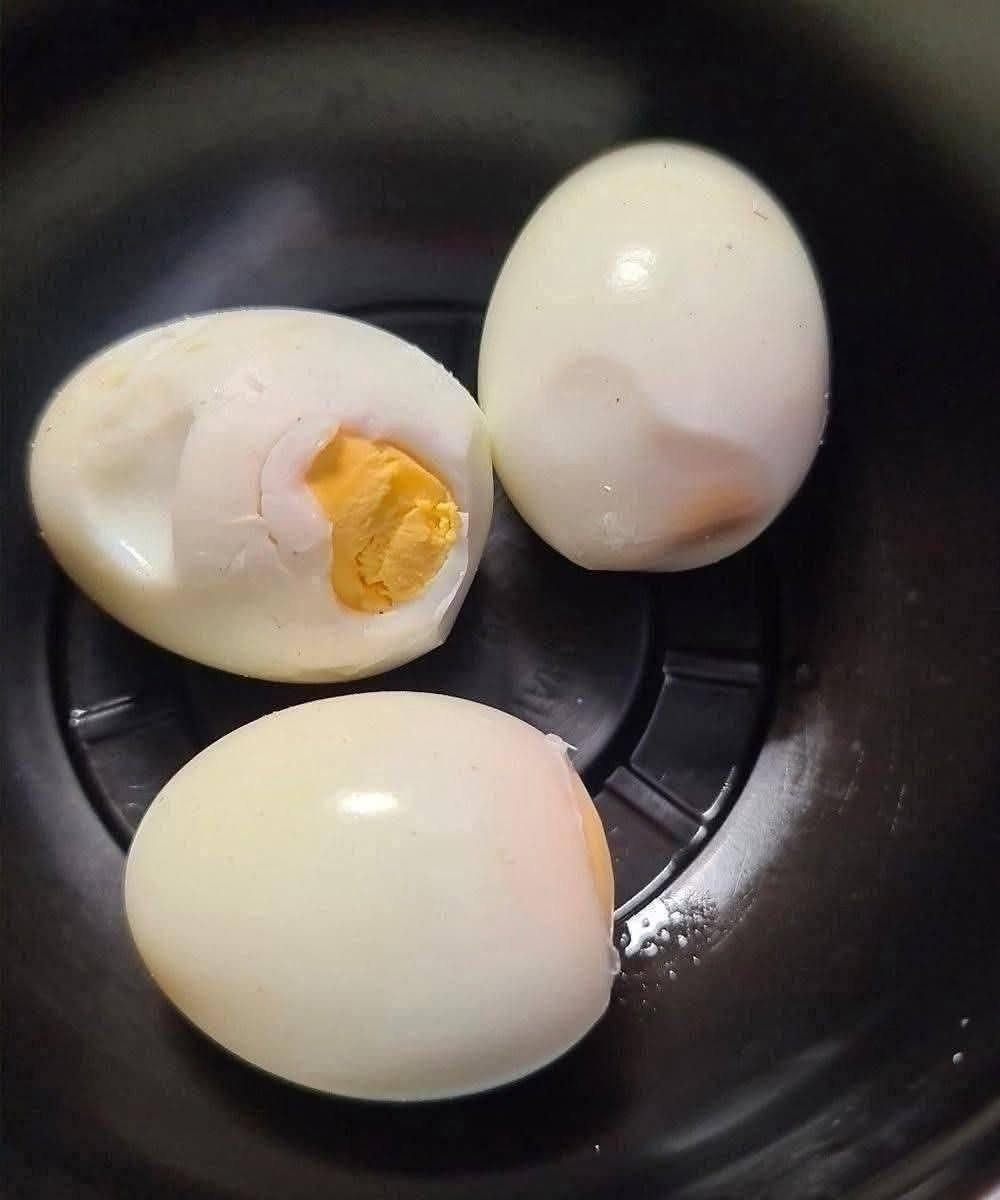
A boiled or poached egg is very different nutritionally from eggs cooked with large amounts of butter and served with processed meats.
For a more balanced breakfast, consider combining eggs with:
-
Vegetables
-
Whole-grain bread
-
Beans
-
Fruit
-
Other high-fiber foods
⚠️ When Should You Be Careful?
If your doctor has advised you to limit dietary cholesterol or saturated fat, follow that individualized advice. Also, eggs should be properly stored and thoroughly cooked when necessary to reduce the risk of foodborne illness.
Bottom Line
Eating eggs in the morning does not inherently cause disease. For many people, eggs are a nutritious and convenient breakfast option.
The important question isn’t simply “Do you eat eggs every morning?”—it’s how many you eat, how they’re prepared, and what the rest of your diet looks like.