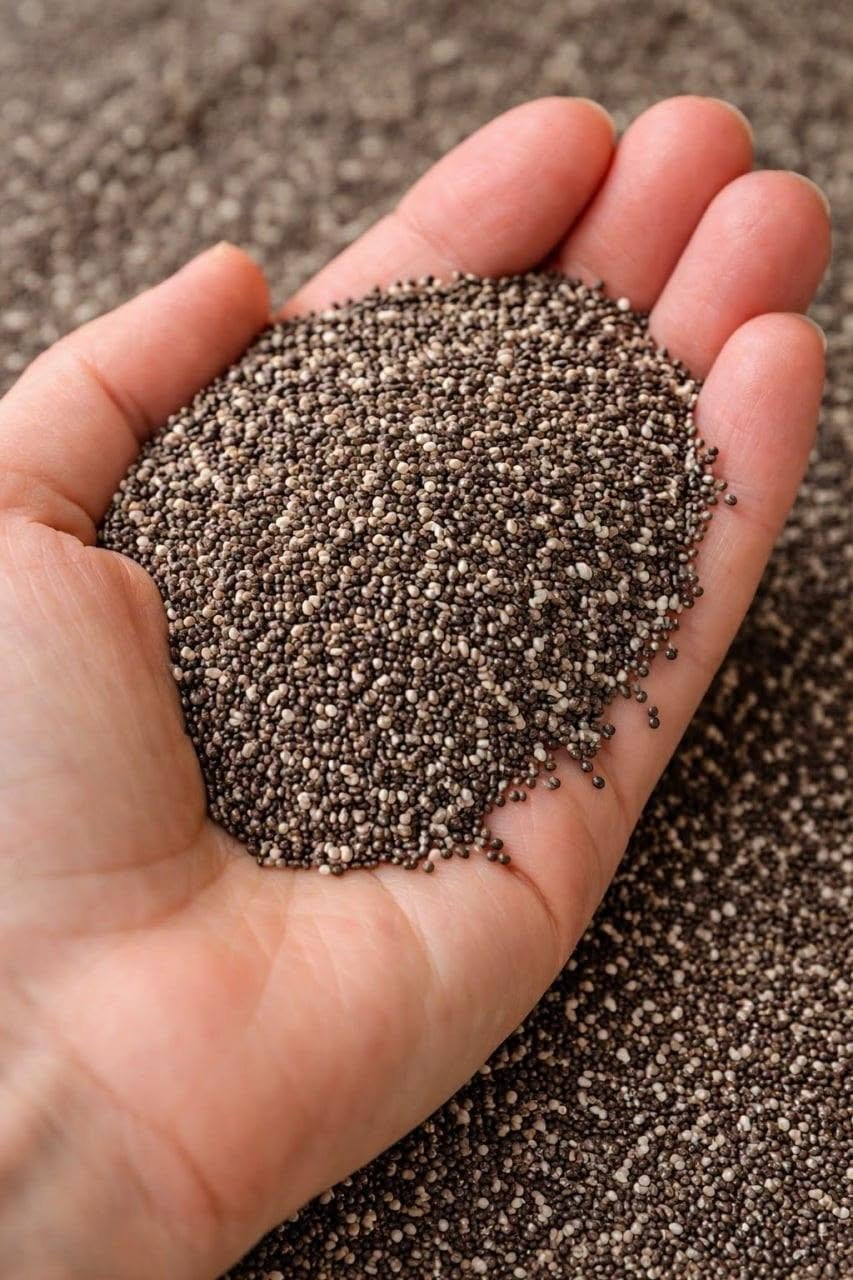
Doctors Reveal Eating Chia Seeds Causes
Chia seeds can be a nutritious addition to a balanced diet. They provide fiber, protein, healthy fats including omega-3 ALA, and minerals such as calcium and magnesium. But because they are exceptionally high in fiber and absorb a large amount of liquid, eating large quantities or consuming them incorrectly can cause problems.
1. Better Bowel Regularity
Chia seeds contain a substantial amount of dietary fiber.
When consumed with enough fluid, that fiber can help add bulk to stool and support regular bowel movements. This can be useful for people whose diet is low in fiber.
However, increasing fiber suddenly can cause gas, bloating, or abdominal discomfort. Start with a modest amount and increase gradually.
2. Feeling Fuller for Longer
Chia seeds absorb liquid and form a gel-like consistency.
Combined with their fiber, protein, and fat content, this can contribute to a feeling of fullness after eating.
Adding chia to yogurt, oatmeal, smoothies, or other meals can therefore make a meal more satisfying.
Chia seeds aren’t a magic weight-loss food, though. Weight changes depend on overall calorie intake, diet quality, physical activity, and many other factors.
3. A Possible Increase in Gas and Bloating
This is one of the most common problems when someone suddenly starts eating a lot of chia seeds.
The large amount of fiber can be difficult for your digestive system to adjust to.
If you aren’t accustomed to high-fiber foods, begin with a small serving and increase it gradually while maintaining adequate fluid intake.
4. Blood Sugar May Rise More Slowly
The fiber in chia seeds can slow digestion and may help reduce how quickly carbohydrates are absorbed when chia is included as part of a meal.
That doesn’t mean chia seeds can treat or cure diabetes.
People taking diabetes medications should continue following their prescribed treatment and shouldn’t substitute chia seeds for medication.
5. Cardiovascular Benefits From Their Nutrients
Chia seeds contain alpha-linolenic acid (ALA), a plant-based omega-3 fatty acid.
They also provide fiber and other nutrients that can contribute to a heart-healthy dietary pattern.
However, eating chia seeds alone isn’t enough to prevent heart disease. Their benefits are best considered as part of an overall diet rich in vegetables, fruits, whole grains, legumes, nuts, and other minimally processed foods.
6. You May Consume More Minerals
Chia seeds provide minerals including calcium, magnesium, phosphorus, and manganese.
These nutrients contribute to normal bone, muscle, nerve, and metabolic functions.
Nevertheless, chia should complement—not replace—a varied diet.
7. They Can Cause Problems If You Don’t Drink Enough
Dry chia seeds absorb liquid and expand.
Eating a large amount of dry chia seeds and then having difficulty swallowing can potentially create a choking or blockage hazard, particularly in people who already have swallowing difficulties.
A safer approach is to mix chia into liquid or moist food and allow it to hydrate, rather than swallowing spoonfuls of dry seeds.
8. Some People May Have an Allergic Reaction
Chia allergy appears to be uncommon, but allergic reactions are possible.
Symptoms could include itching, hives, swelling, vomiting, wheezing, or difficulty breathing.
Swelling of the lips, tongue, or throat or difficulty breathing requires emergency medical attention.
9. They May Affect Blood Pressure
Chia seeds can be part of a heart-healthy diet, and some research has investigated their effects on blood pressure.
If you take medication for high blood pressure, however, don’t use large amounts of chia specifically as a treatment or assume it can replace your medication.
If your blood pressure becomes unusually low or you experience dizziness or fainting, speak with your healthcare professional.
10. Too Much Can Work Against You
More isn’t necessarily better.
A very large serving can provide a substantial amount of fiber and calories at once, potentially resulting in:
- Bloating
- Gas
- Abdominal discomfort
- Loose stools
- Constipation if fluid intake is inadequate
For most people, incorporating a small serving into meals is a more sensible approach than consuming large quantities.
11. Chia Isn’t a “Detox” or Fat-Burning Cure
Claims that chia seeds will “clean out” your colon overnight, melt belly fat, or remove toxins from your body are misleading.
Your digestive system and liver already perform the body’s normal waste-processing functions.
Chia’s genuine nutritional benefits are much less dramatic but more useful: fiber, healthy fats, protein, and micronutrients.
12. How to Eat Chia More Safely
A practical approach is to add chia to foods such as:
- Oatmeal
- Yogurt
- Smoothies
- Porridge
- Soups
- Overnight oats
Allowing the seeds to absorb moisture can make them easier to consume.
If you’re increasing your fiber intake, do so gradually and drink adequate fluids.
Final Takeaway
Eating chia seeds can contribute fiber, plant-based omega-3 fats, protein, and several minerals to your diet. They may support bowel regularity and fullness, but consuming too much too quickly can cause digestive discomfort.
The biggest practical caution is not to swallow large amounts of dry chia seeds, especially if you have swallowing difficulties. Introduce them gradually, consume them with adequate moisture, and treat them as one nutritious food—not as a cure-all.