DOCTORS REVEAL WHAT EATING BEETS CAN DO TO YOUR BODY
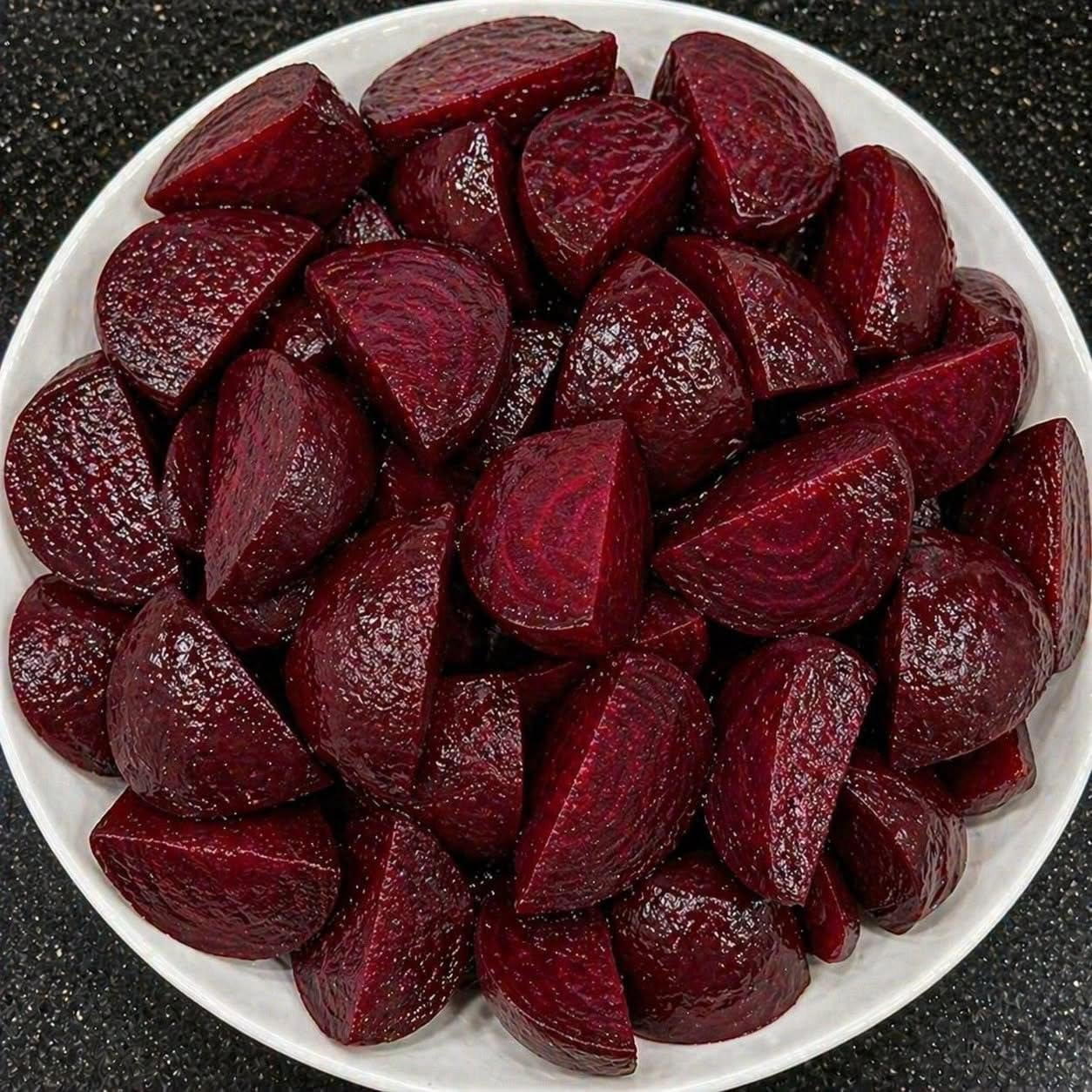
Beets are one of those foods that can produce noticeable effects after you eat them. They’re rich in dietary nitrates, fiber, folate, and other plant compounds, and research has linked beet consumption with several potential health benefits.
But beets can also cause harmless changes that may look alarming—particularly a change in the color of your urine or stool.
Here’s what you should know before adding more beets to your diet.
1. Beets Can Temporarily Turn Your Urine Pink or Red
One of the most surprising effects of eating beets is beeturia, the appearance of pink or red urine after consuming beets.
This can look frightening, but in many cases it is simply the result of beet pigments passing through the body.
Not everyone experiences it, and the intensity can vary.
However, don’t automatically assume that red urine is caused by beets. Blood in the urine can have many causes.
If red or pink urine persists, occurs without an obvious dietary explanation, or is accompanied by pain or other urinary symptoms, seek medical advice.
2. Beets Can Change the Color of Your Stool
The pigments in beets can also give stool a reddish or darker appearance.
This is usually harmless when it occurs shortly after eating beets and resolves as the pigments leave your digestive system.
As with urine, however, persistent blood-like changes in stool shouldn’t automatically be attributed to food.
If you’re uncertain whether you’re seeing food pigment or blood, consult a healthcare professional.
3. Beets May Support Healthy Blood Pressure
Beets contain naturally occurring nitrates.
The body can convert dietary nitrates into nitric oxide, a molecule involved in blood-vessel relaxation.
Research suggests that consuming nitrate-rich foods such as beets may help lower blood pressure in some people.
This doesn’t mean beets replace blood-pressure medication.
If you take medication for hypertension, continue taking it as prescribed and discuss major dietary changes with your healthcare professional.
4. They May Support Exercise Performance
The nitric-oxide pathway associated with dietary nitrates has also attracted attention in sports nutrition.
Some research suggests beetroot or beetroot juice may improve exercise efficiency or performance in certain circumstances, particularly during endurance exercise.
The effects aren’t identical for everyone, and eating beets isn’t a substitute for appropriate training, nutrition, and recovery.
5. Beets Provide Dietary Fiber
Whole beets contain fiber, which contributes to normal digestive function.
Getting enough dietary fiber can help support regular bowel movements and contribute to feelings of fullness.
If you suddenly increase your intake of high-fiber foods, however, you may temporarily experience gas or bloating.
Increasing fiber gradually and maintaining appropriate fluid intake can make the transition more comfortable.
6. They Provide Important Nutrients
Beets contain several nutrients, including folate and potassium, as well as various plant compounds.
Their nutritional value makes them a useful addition to a varied diet.
You don’t need to consume enormous quantities to benefit from them.
A reasonable portion incorporated into meals can provide nutritional variety without turning the food into a supposed “miracle cure.”
7. Some People May Experience Digestive Discomfort
Although many people tolerate beets well, large portions can cause digestive symptoms in some individuals.
Gas, bloating, or changes in bowel habits can occur, particularly when someone isn’t accustomed to eating much fiber.
If you repeatedly develop significant digestive symptoms after eating beets, reduce the portion and discuss persistent problems with a healthcare professional.
8. Beets Contain Oxalates
Beets contain oxalates, naturally occurring compounds found in many plant foods.
For most people, this isn’t a reason to avoid beets.
However, people who have been advised to follow a low-oxalate diet—particularly some individuals with a history of calcium oxalate kidney stones—may need to pay attention to their intake.
If you’ve previously had kidney stones, ask your healthcare professional what dietary approach is appropriate for you rather than eliminating foods unnecessarily.
9. Beets Don’t “Detox” Your Body
Beet-based drinks are sometimes marketed as detox products.
Your body already has organs, particularly the liver and kidneys, that process and eliminate waste.
Beets can be a nutritious food, but they don’t need to be marketed as a special detoxification treatment.
Their real benefits come from their nutrients, fiber, and naturally occurring plant compounds.
10. More Isn’t Always Better
Eating a larger amount of beets doesn’t necessarily provide proportionally greater health benefits.
A balanced diet containing a variety of vegetables is generally more useful than relying heavily on one food.
Beets can complement a healthy diet, but they shouldn’t replace other vegetables, protein sources, whole grains, or other nutritious foods.
Who Should Be More Careful?
Most healthy people can enjoy beets as part of a balanced diet.
You may want to discuss your intake with a healthcare professional if you have a history of certain kidney stones, have been prescribed a specialized diet, or take medications or have a medical condition that requires dietary restrictions.
And if you notice persistent blood in your urine or stool, don’t assume that beets are responsible simply because you ate them recently.
The Bottom Line
Eating beets can cause some surprising effects.
They may temporarily turn urine or stool pink or red, and their dietary nitrates may support healthy blood-vessel function and blood pressure. Their fiber and nutrients can also make them a valuable part of a balanced diet.
At the same time, beets aren’t a miracle food or a universal treatment.
Enjoy them as part of a varied diet, pay attention to how your body responds, and seek medical advice for persistent or concerning symptoms rather than automatically blaming them on something you ate.