🥬 Doctors Reveal: Eating Beets Can Cause… What You Should Actually Know
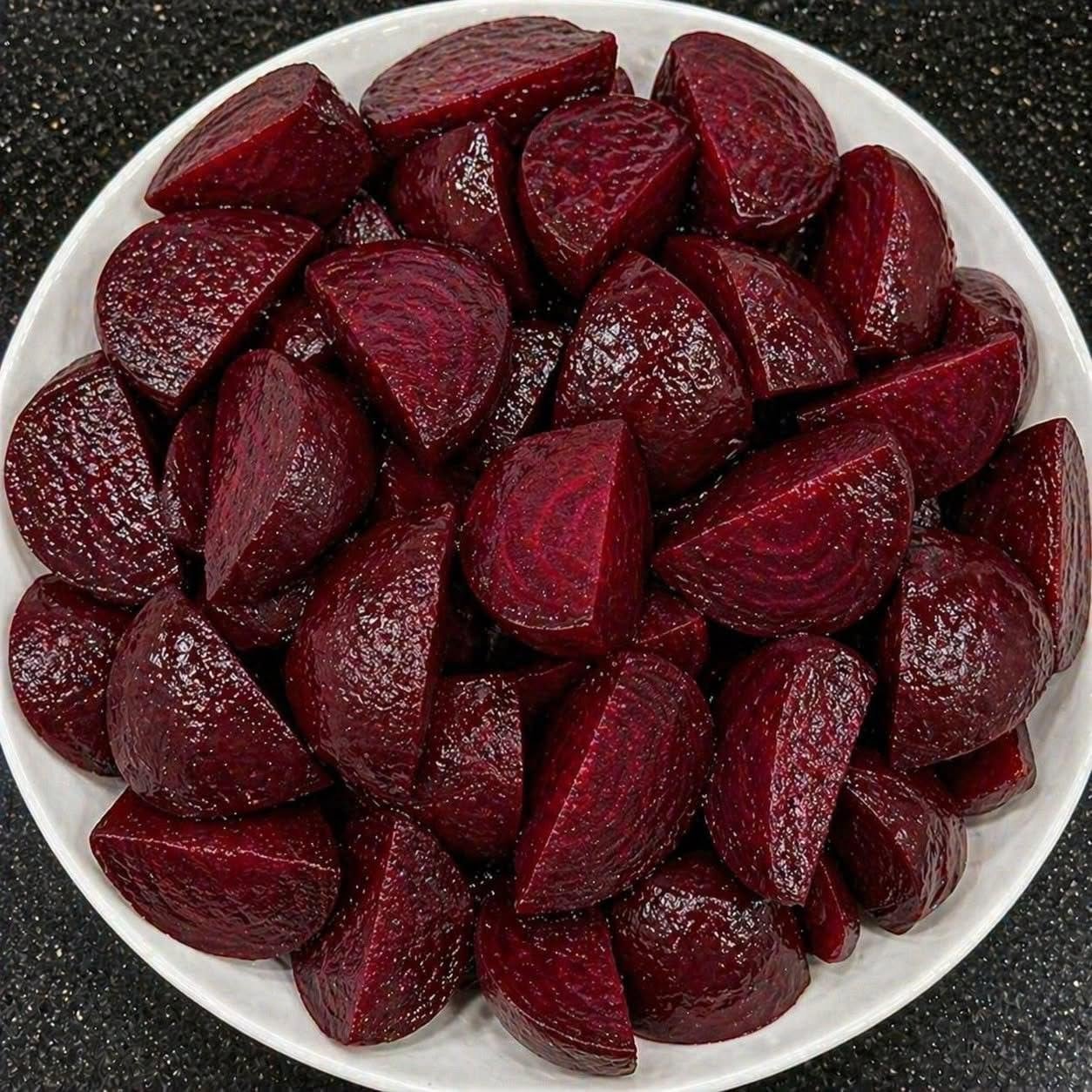
Beets are a nutritious vegetable rich in fiber, folate, potassium, and naturally occurring nitrate compounds. For most people, eating normal amounts of beets is perfectly safe and can be part of a healthy diet.
However, be blood pressure or take blood-pressure-lowering medication, consuming large amounts of beet products could potentially contribute to lightheadednessets can produce some surprising effects—and there are a few situations where people should be more cautious.
1. ❤️ Lower Blood Pressure
Beets are naturally rich in dietary nitrates, which the body can convert into nitric oxide. Nitric oxide helps relax blood vessels and can contribute to lower blood pressure.
For most people this can be beneficial. But if you already have low blood pressure or take blood-pressure-lowering medication, consuming large amounts of beet products could potentially contribute to lightheadedness.
Don’t change your medication because of beets. If you experience dizziness or fainting, discuss it with your healthcare professional.
2. 🩷 Pink or Red Urine
One of the strangest effects is beeturia—red or pink urine after eating beets.
It can look alarming, but beet pigments can pass through the digestive system and temporarily change the color of your urine.
If you’ve recently eaten beets and notice pink urine without other symptoms, this can be harmless.
However, blood in the urine can look similar, so persistent red or brown urine—especially when you haven’t eaten beets—should be medically evaluated.
3. 🚽 Red or Pink Stool
Beets can also temporarily turn your stool reddish or pink.
This can be frightening because gastrointestinal bleeding can also cause red or dark stool.
If the color change occurs shortly after eating beets and disappears afterward, beet pigments may be responsible.
But don’t automatically assume every episode of red stool is from food. Persistent, black/tarry, or bloody stool requires medical evaluation.
4. 💨 Gas and Bloating
Beets contain dietary fiber and naturally occurring carbohydrates that can cause gas or bloating in some people.
This is more likely if you suddenly eat a large amount.
If you’re not accustomed to high-fiber foods, increase portions gradually.
5. 🪨 Kidney Stone Considerations
Beets contain oxalates, compounds that can contribute to the formation of calcium oxalate kidney stones in susceptible people.
This does not mean everyone should avoid beets.
If you’ve previously had calcium oxalate kidney stones, ask your healthcare professional or dietitian whether you should limit high-oxalate foods based on your individual stone history.
6. 🩸 They May Affect Blood Sugar
Whole beets contain natural sugars but also provide fiber.
For most people, a normal serving can fit comfortably into a balanced diet. However, concentrated beet juice contains less fiber and can deliver a larger amount of carbohydrate more quickly.
People with diabetes should consider the portion and form of beets rather than assuming beet juice is automatically healthier.
7. 🤢 Large Amounts May Upset Your Stomach
Eating unusually large quantities of beets—or drinking a lot of beet juice—can cause digestive discomfort in some people.
Possible symptoms include:
- Nausea
- Bloating
- Gas
- Loose stools
- Abdominal discomfort
More isn’t necessarily better. A normal serving is generally sufficient.
🥤 What About Beet Juice?
Beet juice has become popular because of its nitrate content, particularly among people interested in exercise performance and blood pressure.
Research suggests dietary nitrate from beetroot can influence nitric-oxide availability and may have cardiovascular and exercise-related effects. However, beet juice isn’t a substitute for prescribed treatment for high blood pressure or cardiovascular disease.
Also remember that juice generally contains less fiber than eating the whole vegetable.
💊 What About Medications?
If you take medication for blood pressure or other cardiovascular conditions, tell your healthcare professional about concentrated beet products if you’re consuming them regularly.
The concern isn’t that beets are inherently dangerous; it’s that combining dietary effects with medications can sometimes produce unwanted effects such as excessive blood-pressure lowering.
🌱 Can You Eat Beets Every Day?
For most healthy people, yes—reasonable portions of beets can be part of a varied diet.
You can enjoy them:
- Roasted
- Steamed
- Boiled
- In salads
- Mixed into vegetable dishes
- As part of a balanced meal
You don’t need to consume large quantities to obtain nutritional benefits.
⚠️ Who Should Be More Careful?
Talk with a healthcare professional if you have:
- A history of kidney stones
- Low in reasonable portions, understand their unusual effects, and speak with a healthcare professional if you have a medical condition or take medications that could change blood pressure
- Recurrent dizziness or fainting
- Diabetes requiring medication
- A medical condition requiring a specific potassium or oxalate restriction
- Persistent blood in your urine or stool
🚨 When Red Color Is NOT Something to Ignore
After eating beets, red urine or stool can be harmless.
But seek medical evaluation if you notice:
- Red urine repeatedly when you haven’t eaten beets
- Blood clots in urine
- Black, tar-like stool
- Persistent bloody stool
- Severe abdominal pain
- Dizziness or fainting
- Significant weakness
Food can change the color of bodily waste, but you shouldn’t use beets as an explanation for unexplained bleeding without considering other causes.
🌟 The Bottom Line
Eating beets doesn’t normally cause serious health problems. In fact, they’re a nutritious vegetable that provides fiber, folate, potassium, and dietary nitrates.
The most noticeable effects can include pink/red urine or stool, digestive gas, and potentially lower blood pressure. People prone to certain kidney stones may also need to consider their oxalate intake.
So the real message isn’t “stop eating beets.” It’s to enjoy them in reasonable portions, understand their unusual effects, and speak with a healthcare professional if you have a medical condition or take medications that could change how your body responds.