🧴 Baking Soda on the Face: Benefits, Risks, and How to Use It Safely
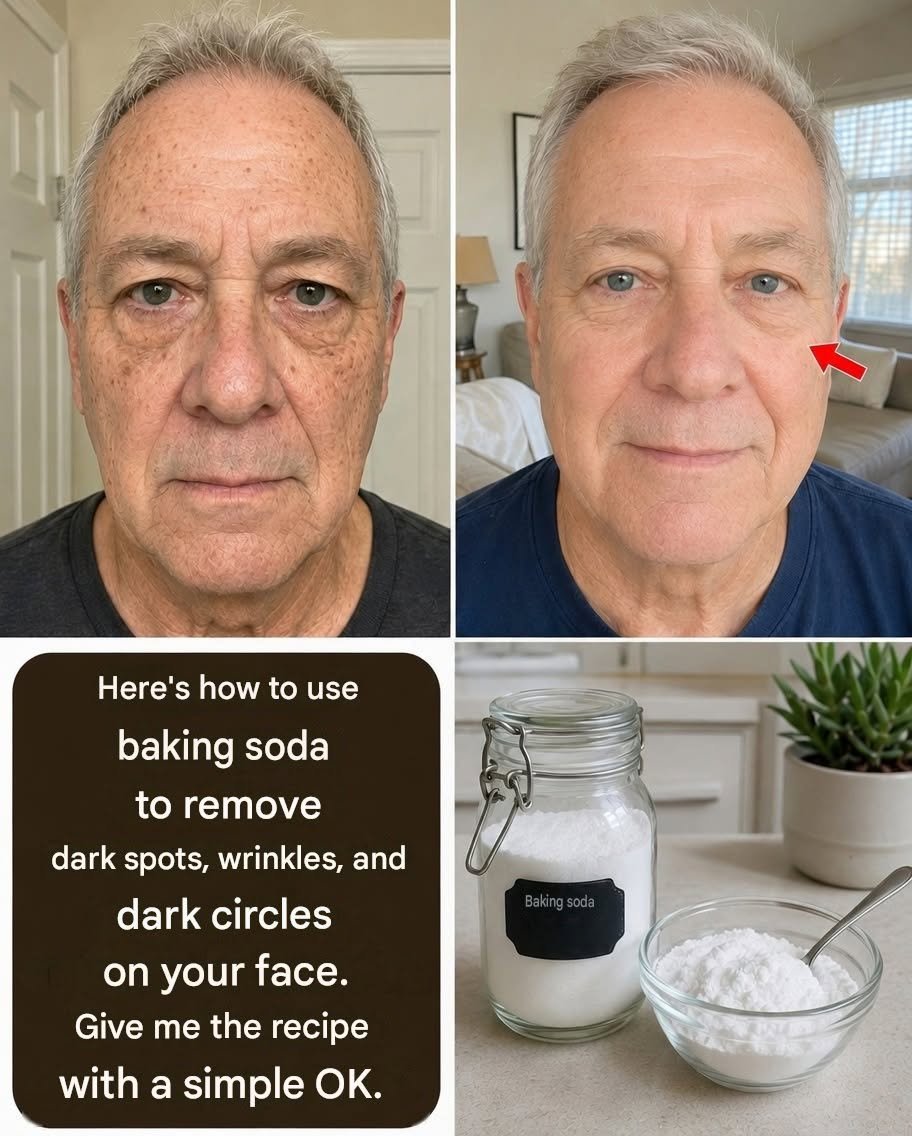
Baking soda (sodium bicarbonate) is a common kitchen ingredient, and you’ll often see DIY beauty recipes claiming it can brighten skin, remove dark spots, clear acne, shrink pores, or make skin look younger.
The reality is more nuanced.
Baking soda can act as a mild physical exfoliant and has alkaline properties, but the skin has a naturally acidic environment, and baking soda can disrupt that balance. Frequent or concentrated use may cause dryness, irritation, redness, and damage to the skin barrier.
For most people, there are gentler and better-tested ingredients for facial skincare.
If you still want to experiment, keep the concentration low, avoid sensitive areas, and don’t use it frequently.
✨ What Are the Possible Benefits?
1. It Can Provide Mild Exfoliation
Baking soda consists of fine particles that can physically remove some surface debris when rubbed against the skin.
However, scrubbing isn’t necessarily better.
Aggressive rubbing can create tiny areas of irritation and make sensitive or acne-prone skin worse.
2. It Can Temporarily Make Skin Feel Smoother
After exfoliation, your skin may feel softer or smoother.
That’s a short-term cosmetic effect, not evidence that baking soda is improving the underlying health of your skin.
3. It Has Alkaline Properties
Baking soda is alkaline, which is why it can neutralize acids.
That’s useful in the kitchen, but your facial skin doesn’t need to be “neutralized.”
Healthy skin normally has a mildly acidic surface environment, often referred to as the acid mantle.
Changing that environment repeatedly isn’t a good skincare strategy.
⚠️ The Biggest Problem: Baking Soda Can Irritate Your Skin
This is the part many DIY recipes leave out.
Your skin barrier helps keep moisture inside while protecting you from irritants and microorganisms.
Using alkaline substances too frequently can interfere with that barrier.
Possible effects include:
- Dryness
- Tightness
- Burning
- Redness
- Flaking
- Itching
- Increased sensitivity
People with eczema, rosacea, very sensitive skin, or a damaged skin barrier should generally avoid DIY baking-soda facial treatments.
❌ Don’t Use It as a Scrub
One of the most common mistakes is cleaner or mixing baking soda with water and aggressively rubbing it over the face.
That can combine chemical irritation with physical abrasion.
More scrubbing doesn’t mean cleaner or healthier skin.
Avoid using baking soda on:
- Broken skin
- Sunburn
- Freshly shaved or waxed skin
- Active irritated rashes
- Areas with open pimples or wounds
- The eyelids or immediately around the eyes
🌿 4 Gentler Ways to Use Baking Soda—If You Really Want To
These aren’t medically necessary, and there are better-established skincare products available. If you nevertheless want to try baking soda, keep the exposure brief and infrequent.
Recipe 1: Very Dilute Baking-Soda looking for this recipe are actually trying to achieve something baking soda isn’t particularly good at doing: removing oil, sunscreen, makeup, and Rinse
Ingredients:
- ¼ teaspoon baking soda
- 1 cup (240 mL) lukewarm water
How to use:
- Dissolve the baking soda completely.
- Apply a small amount to a limited area rather than your entire face.
- Leave it on only briefly.
- Rinse thoroughly with lukewarm water.
- Apply a gentle, fragrance-free moisturizer.
Don’t use this daily.
If it stings, burns, becomes red, or feels unusually tight, rinse immediately and stop.
Recipe 2: Baking Soda + Gentle Cleanser
Instead of making a thick baking-soda paste, use your normal gentle cleanser and don’t add baking soda at all.
Why?
Because most people looking for this recipe are actually trying to achieve something baking soda isn’t particularly good at doing: removing oil, sunscreen, makeup, and everyday dirt.
A gentle facial cleanser formulated for skin is generally a much safer choice.
If your goal is exfoliation, use a product specifically formulated for facial skin instead.
Recipe 3: Baking Soda Spot Treatment — Better Skipped
You’ll often see recipes combining baking soda with water and applying it directly to pimples.
I wouldn’t recommend this.
Acne involves inflammation, clogged pores, oil production, and other biological processes. Baking soda isn’t a proven acne treatment, and its alkalinity can irritate already-inflamed skin.
For occasional pimples, better-supported options include appropriately formulated products containing benzoyl peroxide or salicylic acid, depending on your skin and the type of acne.
Recipe 4: Baking Soda + Oatmeal — A Gentler Alternative
If what you’re really looking for is a soothing DIY mask, plain finely ground oatmeal is a better choice than baking soda.
Try:
- 1 tablespoon finely ground plain oats
- Enough lukewarm water to make a soft paste
Apply gently for about 5–10 minutes, then rinse without scrubbing.
Follow with a fragrance-free moisturizer.
You don’t need baking soda in this recipe.
🌞 What About Dark Spots and Hyperpigmentation?
This is another area where viral DIY recipes can be misleading.
Baking soda doesn’t reliably erase dark spots.
In fact, irritating your skin can sometimes make pigmentation worse, particularly in people prone to post-inflammatory hyperpigmentation.
For dark spots, one of the most important steps is daily broad-spectrum sunscreen.
Other ingredients with considerably better evidence for managing pigmentation include:
- Vitamin C
- Niacinamide
- Azelaic acid
- Retinoids
- Certain mild and infrequent, never scrub aggressively, avoid damaged or sensitive exfoliating acids
The right choice depends on your skin type and the cause of the pigmentation.
🧼 What About “Shrinking Pores”?
Baking soda won’t permanently shrink your pores.
Pore appearance can vary depending on:
- Genetics
- Oil production
- Age
- Sun exposure
- Clogged pores
You can sometimes make pores look less noticeable by controlling excess oil and preventing clogged pores, but no kitchen ingredient can permanently erase them.
🧪 Always Patch-Test First
If you’re determined to try a DIY baking-soda preparation, test it before putting it on your entire face.
Apply a small amount to an inconspicuous area and observe the skin.
If you experience:
- Burning
- Significant redness
- Swelling
- Itching
- Rash
wash it off and don’t use it again.
Remember that a patch test doesn’t guarantee that a product is safe for your entire face.
🚫 Don’t Mix Baking Soda With Everything You Find Online
Avoid viral combinations involving baking soda plus:
- Lemon juice
- Vinegar
- Undiluted hydrogen peroxide
- Toothpaste
- Strong essential oils
- Harsh scrubs
“Natural” or homemade doesn’t automatically mean gentle.
Lemon juice in particular can irritate skin and increase sensitivity to sunlight, while combining multiple irritating ingredients can leave you with a damaged skin barrier.
🧴 What to Use Instead
If your goal is healthy-looking skin, a simple routine is generally more useful than DIY kitchen experiments.
Morning
Gentle cleanser → moisturizer → broad-spectrum SPF 30+ sunscreen
Evening
Gentle cleanser → appropriate treatment if needed → moisturizer
For acne, pigmentation, dryness, or signs of aging, choose products designed and tested for those specific concerns.
❤️ Bottom Line
Baking soda isn’t a miracle facial treatment.
It may provide some temporary exfoliation, but its alkaline nature can disrupt the skin barrier and cause irritation, particularly when used frequently or as a concentrated paste.
If you want to use it, keep the exposure mild and infrequent, never scrub aggressively, avoid damaged or sensitive skin, and stop immediately if it burns or irritates you.
And if your real goal is acne, dark spots, wrinkles, or uneven skin tone, there are much better-studied ingredients than baking soda.