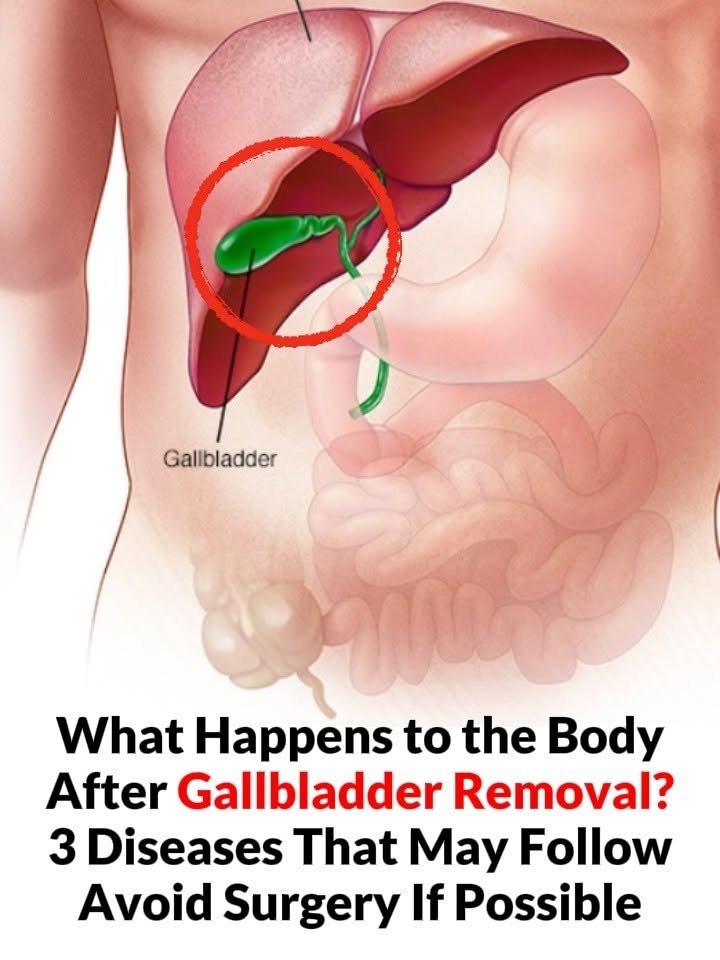
After Gallbladder Removal: 3 Conditions or Problems You Could Develop
Gallbladder removal, or cholecystectomy, is a common procedure and most people can live normally without a gallbladder. The liver continues to produce bile; the main difference is that bile flows directly into the intestine rather than being stored in the gallbladder. NIDDK+1
The idea that people should avoid gallbladder surgery whenever possible is misleading. If gallstones are causing repeated attacks, inflammation, blocked bile ducts, or other complications, surgery may be recommended because untreated gallstones can lead to serious problems. NIDDK+1
1. Diarrhea and Changes in Bowel Habits
Some people experience looser or more frequent stools after surgery. Because bile enters the intestine more continuously, it can affect bowel habits. This is usually temporary, but diarrhea can occasionally persist and may require treatment. NIDDK+1
2. Persistent Abdominal Symptoms
Some people continue to experience abdominal pain, indigestion, bloating, nausea, or heartburn after surgery. This is sometimes referred to as post-cholecystectomy syndrome. Persistent symptoms should be investigated because they can have several possible causes, including problems unrelated to the gallbladder. nhs.uk+1
3. Surgical Complications
As with any operation, there are risks, although serious complications are uncommon. Possible complications include infection, bleeding, blood clots, bile leakage, or injury to the bile ducts. nhs.uk+1
When Surgery May Not Be Necessary
If gallstones are found but aren’t causing symptoms, treatment may not be needed. However, symptomatic or complicated gallstones are different. Repeated attacks, gallbladder inflammation, bile-duct obstruction, jaundice, or pancreatitis may require medical or surgical treatment. NIDDK+1
What About Living Without a Gallbladder?
For most people, living without a gallbladder is entirely possible. After recovery, many people can return to a normal, balanced diet. Some may temporarily find that fatty meals cause bloating or diarrhea and may benefit from smaller meals and reducing foods that trigger symptoms. nhs.uk+1
Bottom Line
Gallbladder removal shouldn’t be avoided simply because of fear of side effects. The decision depends on why surgery is being recommended, the severity of symptoms, potential complications, and your individual health. If you have asymptomatic gallstones, surgery may not be necessary; if you have recurrent or complicated gallstone disease, avoiding treatment can itself carry risks. NIDDK+1