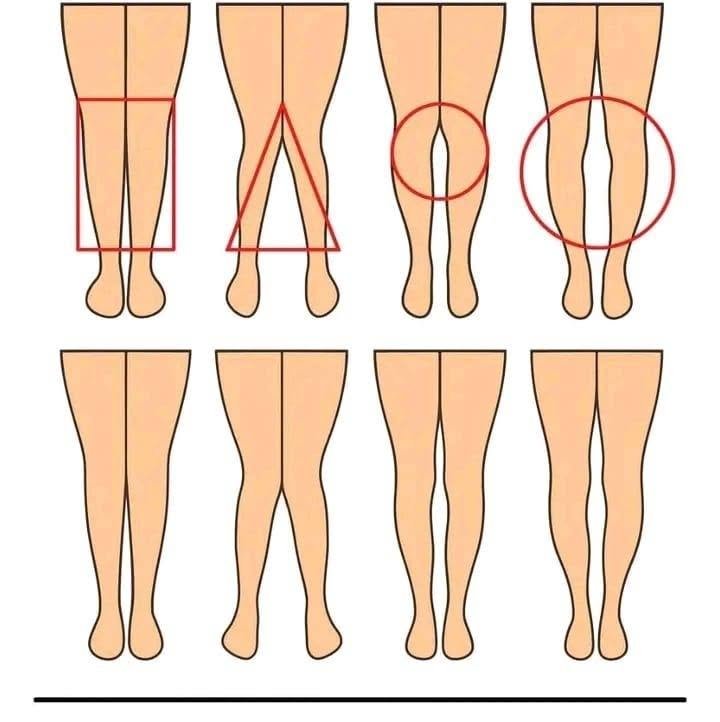
A Woman’s Legs Can Tell You More About Her Health Than You Might Think
Have you ever noticed prominent veins, swelling around the ankles, changes in skin color, or unexplained weakness in your legs?
Your legs can sometimes provide important clues about what is happening in your body. But they cannot reliably reveal your personality, fertility, sexual history, or character. Those claims are popular online but aren’t supported by medical science.
What your legs can sometimes reveal is information about your circulation, muscles, nerves, skin, and general physical health.
1. Swollen Ankles or Legs
Mild swelling can happen after spending hours standing or sitting, especially toward the end of the day.
But persistent swelling can have many causes, including:
- Problems with the veins
- Certain medications
- Heart conditions
- Kidney disease
- Liver disease
- Pregnancy
- Inflammation or injury
If swelling keeps returning or is getting worse, it’s worth discussing with a healthcare professional.
One swollen leg deserves particular attention
Sudden swelling in one leg, especially when accompanied by pain, warmth, redness, or tenderness, can be a sign of a deep-vein blood clot (DVT).
That requires prompt medical evaluation.
If leg symptoms occur together with sudden shortness of breath, chest pain, coughing blood, or fainting, seek emergency medical care.
2. Prominent or Bulging Veins
Visible veins aren’t automatically a problem.
They may simply be more noticeable because of genetics, age, body composition, exercise, or skin characteristics.
However, enlarged, twisted, or bulging veins may be varicose veins.
Some people experience:
- Aching
- Heaviness
- Throbbing
- Itching
- Swelling
- Leg discomfort after prolonged standing
Varicose veins aren’t necessarily dangerous, but persistent or painful symptoms can be evaluated by a healthcare professional.
3. Changes in Skin Color
The color of your legs and feet can sometimes provide clues about circulation or inflammation.
Depending on the cause, you might notice skin becoming unusually pale, bluish, reddish, or darker than usual.
Don’t diagnose yourself from color alone.
However, a sudden change accompanied by pain, coldness, numbness, or weakness should be taken seriously.
People with diabetes should also pay particular attention to changes in their feet and lower legs because diabetes can affect nerves and circulation.
4. Cold Feet
Some people’s feet are naturally colder than others.
Cold feet don’t automatically mean poor circulation.
But if one foot suddenly becomes much colder than the other—or coldness occurs with severe pain, pale or blue skin, numbness, or weakness—urgent medical assessment may be necessary.
5. Leg Pain When Walking
A particularly important pattern is pain or cramping that repeatedly appears when walking or exercising and improves after resting.
This can sometimes occur with peripheral artery disease (PAD), in which narrowed arteries reduce blood flow to the limbs.
It doesn’t mean every person with walking-related leg pain has PAD. Arthritis, muscle problems, nerve conditions, and other issues can cause similar symptoms.
But recurring exertional pain is worth getting checked.
6. Numbness or Tingling
Pins and needles after sitting awkwardly are usually temporary.
Persistent numbness, burning, tingling, or reduced sensation can have many causes.
These may include:
- Nerve compression
- Diabetes
- Vitamin deficiencies
- Certain medications
- Back problems
- Peripheral neuropathy
If these symptoms persist, spread, or occur with weakness, medical evaluation is appropriate.
7. Weakness or Loss of Muscle
Strong legs are important for walking, balance, climbing stairs, and maintaining independence.
A gradual reduction in muscle strength can occur with inactivity and aging.
But unexplained or rapidly developing weakness isn’t something to simply blame on getting older.
If one leg suddenly becomes weak—especially together with facial drooping, speech difficulty, confusion, or weakness in an arm—call emergency services immediately because these can be signs of a stroke.
8. Changes in Leg Hair
You’ve probably seen claims that losing leg hair automatically means you have poor circulation.
That’s not necessarily true.
Hair growth is affected by genetics, hormones, age, skin conditions, and many other factors.
However, if reduced hair growth occurs together with cold feet, pain during walking, color changes, or slow-healing wounds, circulation should be evaluated.
9. Dry, Cracked, or Itchy Skin
Dry skin is extremely common and can result from weather, frequent bathing, harsh soaps, or naturally dry skin.
But persistent itching, scaling, redness, cracking, or rashes can also occur with eczema, allergies, fungal infections, or other skin conditions.
If a skin problem doesn’t improve with gentle skincare—or is spreading or painful—consider seeing a dermatologist or other healthcare professional.
10. Changes in Your Feet Can Matter Too
Don’t forget to examine your feet.
Look for:
- New sores
- Persistent redness
- Swelling
- Changes in sensation
- Discoloration
- Thickened or damaged nails
- Wounds that don’t heal
This is particularly important for people with diabetes, who may have reduced sensation and an increased risk of foot complications.
11. Leg Shape Does NOT Reveal Fertility
This is where many viral posts cross from health information into misinformation.
The shape, length, thickness, or appearance of a woman’s legs cannot reliably tell you whether she is fertile.
Reproductive health depends on complex factors involving hormones, reproductive organs, genetics, age, and overall health.
There is no scientifically validated way to determine fertility by looking at someone’s legs.
12. Legs Don’t Reveal Sexual History or Personality
Claims that a woman’s legs reveal whether she’s sexually active, faithful, confident, dominant, or “good in relationships” are stereotypes rather than medical facts.
Physical appearance isn’t a reliable measure of personality or private behavior.
Your legs can tell you something about your physical health, but they cannot tell strangers who you are as a person.
When Leg Symptoms Need Urgent Attention
Seek urgent medical attention for:
- Sudden swelling and pain in one leg
- A leg that suddenly becomes very cold, pale, or blue
- Severe unexplained leg pain
- Sudden weakness or loss of sensation
- Leg symptoms accompanied by chest pain or difficulty breathing
And if sudden leg weakness occurs together with facial drooping, difficulty speaking, severe confusion, or other sudden neurological symptoms, treat it as a potential stroke emergency.
What You Can Do to Keep Your Legs Healthy
Healthy legs aren’t about having a particular shape.
They’re about strength, mobility, circulation, and healthy skin.
Helpful habits include:
- Walk and move regularly.
- Avoid sitting for extremely long periods without movement.
- Perform strength exercises appropriate for your fitness level.
- Maintain a balanced diet.
- Don’t smoke.
- Manage blood pressure, cholesterol, and blood sugar.
- Wear properly fitting shoes.
- Protect your skin and feet.
- Have persistent or unexplained changes evaluated.
The Bottom Line
A woman’s legs can’t reveal her personality, fertility, or sexual history.
But they can sometimes provide clues about physical health.
Swelling, painful veins, persistent numbness, changes in skin color, unusual weakness, walking-related pain, and wounds that don’t heal are changes worth paying attention to.
So rather than asking, “What do her legs say about her?”
A better question is:
“Have her legs changed—and could that change be telling her something about her health?”
Your body doesn’t always shout when something is wrong. Sometimes, it gives you small clues first.