A Woman’s Legs Can Tell You How Her Health Is — But Not Everything
If you’ve seen the headline “A woman’s legs can tell how healthy she is,” there is some truth behind it, but viral posts often exaggerate what leg appearance can reveal.
Your legs can sometimes provide useful clues about circulation, muscles, skin health, hormones, and fluid balance. However, you cannot reliably determine a woman’s overall health—or her fertility, sexual history, or personality—just by looking at her legs.
1. Swollen Legs or Ankles
Swelling can happen after standing or sitting for a long time, during hot weather, or because of certain medications.
Persistent swelling, particularly if it affects both legs, can sometimes be associated with problems involving the heart, kidneys, liver, or veins.
One-sided swelling is different
Sudden swelling in one leg, especially with warmth, redness, tenderness, or pain, can be a warning sign of a deep-vein thrombosis (DVT) and should be medically assessed.
2. Visible Varicose Veins
Twisted, enlarged veins commonly appear on the legs.
They’re often harmless, but they can cause:
- Aching
- Heaviness
- Swelling
- Itching
- Leg fatigue
Varicose veins become more common with age and pregnancy and can run in families.
3. Changes in Skin Color
Unusual redness, paleness, bluish coloration, or darkening of the skin can sometimes provide clues about circulation or inflammation.
A suddenly pale, blue, cold, or extremely painful leg is not something to ignore.
4. Muscle Size and Strength
Leg muscles provide important information about physical function.
Loss of muscle mass can occur with aging, inactivity, inadequate nutrition, or certain illnesses.
Maintaining leg strength through appropriate resistance exercise is particularly valuable as we age because it supports mobility, balance, and independence.
5. Dry or Cracked Skin
Dry skin on the legs is extremely common and doesn’t necessarily indicate illness.
However, persistent itching, scaling, wounds, or changes in skin texture can sometimes be associated with dermatological conditions, circulation problems, diabetes, or other health issues.
6. Leg Pain During Walking
Pain or cramping that repeatedly appears after walking and improves with rest can sometimes be associated with peripheral artery disease (PAD).
This is particularly important in people who smoke or have diabetes, high blood pressure, or high cholesterol.
Persistent unexplained leg pain should be evaluated rather than attributed automatically to aging.
7. Numbness or Tingling
Pins and needles, burning, or numbness can have many causes.
Possible explanations include:
- Nerve compression
- Diabetes-related neuropathy
- Vitamin deficiencies
- Back problems
- Certain medications
- Other neurological conditions
Persistent or progressive numbness deserves medical attention.
What Legs Cannot Tell You
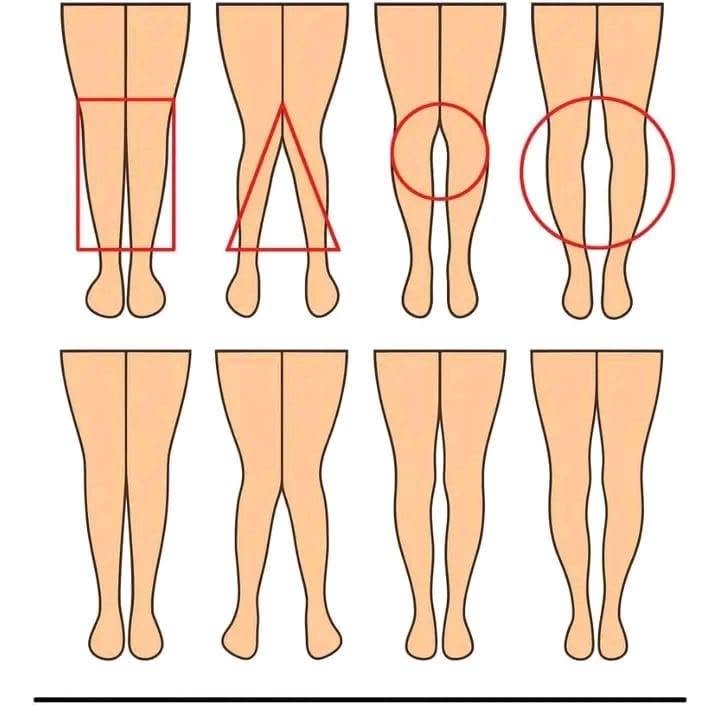
Be skeptical of claims that a woman’s leg shape, thigh size, knee appearance, or amount of leg hair can reliably reveal her:
- Fertility
- Sexual activity
- Virginity
- Hormone levels
- Personality
- “Sexual health”
- Ability to have children
There is no reliable visual test for these things.
Body shape varies enormously between healthy women because of genetics, age, hormones, muscle mass, body fat distribution, and lifestyle.
🚨 When Leg Changes Need Urgent Attention
Seek urgent medical care for sudden swelling and pain in one leg, particularly if the leg is warm or red.
Call emergency services immediately if leg symptoms occur together with sudden shortness of breath, chest pain, coughing up blood, fainting, or severe difficulty breathing, because a blood clot can sometimes travel to the lungs.
Bottom Line
A woman’s legs can sometimes provide clues about her health, particularly regarding circulation, muscle strength, swelling, skin conditions, and nerve function.
But appearance alone cannot tell you whether someone is healthy or reveal intimate characteristics about her.
If you’re referring to a specific viral claim—such as “the shape of a woman’s thighs tells you ___”—send me the full headline or image, and I can explain what’s actually true and what’s misinformation.