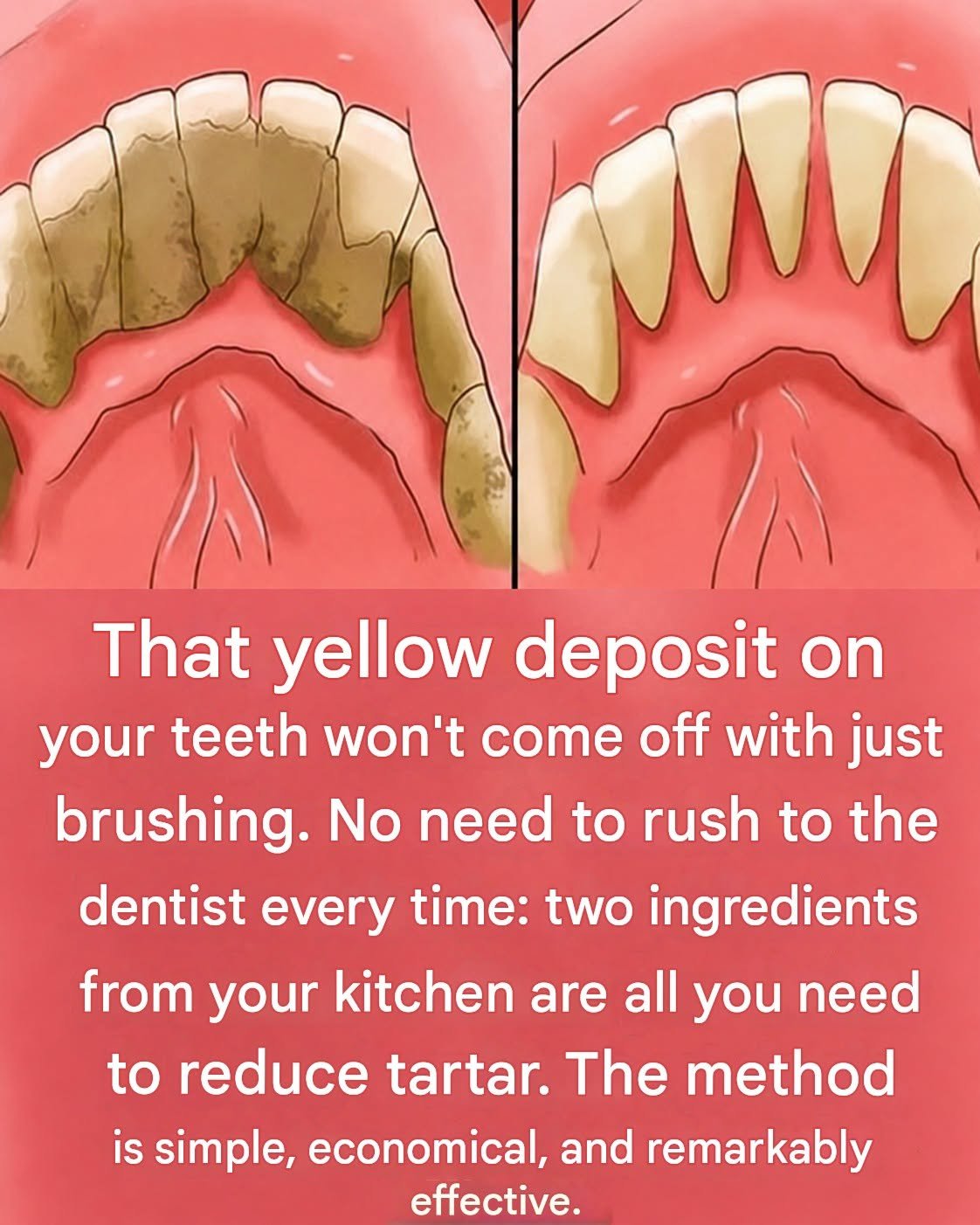
🦷 Be Your Own Dentist? What You Can Safely Do About Tartar Buildup at Home
Seeing a hard yellow, brown, or dark deposit along your teeth can be alarming. You may be tempted to grab a sharp tool and scrape it away yourself, especially when the buildup feels rough and doesn’t disappear after brushing.
But there’s an important distinction: plaque can often be controlled at home, while hardened tartar (dental calculus) generally needs professional removal.
Trying to physically scrape tartar off your teeth with household objects or dental instruments can damage your enamel, gums, or the tissues around the teeth. The safest approach is to prevent additional buildup and have existing hardened calculus removed professionally.
1. 🪥 Brush Twice a Day
One of the best ways to prevent tartar from accumulating is consistent plaque removal.
Brush your teeth twice daily for about two minutes with fluoride toothpaste.
Pay particular attention to:
- Along the gumline
- The backs of your teeth
- Areas around dental work
- Hard-to-reach molars
Use gentle pressure rather than aggressive scrubbing. Brushing harder doesn’t necessarily clean better and can irritate the gums.
2. 🧵 Clean Between Your Teeth Every Day
A toothbrush cannot effectively clean every surface between your teeth.
Use:
- Dental floss
- Interdental brushes
- Water flossers
Choose the method that works best for you and use it consistently.
Removing plaque from between teeth helps prevent it from eventually hardening into calculus.
3. 🦷 Understand the Difference Between Plaque and Tartar
This is one of the most important things to know.
Plaque is a sticky film of bacteria that develops continuously on teeth. With good daily oral hygiene, much of it can be removed at home.
Tartar, also called calculus, forms when plaque becomes hardened by minerals in saliva.
Once calculus has firmly attached to a tooth, ordinary brushing usually won’t remove it.
That’s why a rough deposit that remains despite careful brushing may require a dental cleaning.
4. 🚫 Don’t Scrape Your Teeth With Sharp Objects
This is where many viral “DIY dentist” videos can become dangerous.
Avoid using:
- Needles
- Razor blades
- Knives
- Metal files
- Scissors
- Household scraping tools
- Unsterilized dental instruments
You could accidentally cut your gums, damage the tooth surface, cause bleeding, or push bacteria deeper around the gumline.
Even commercially available dental scalers can cause injury when used without proper training and visibility.
5. 🧂 What About Baking Soda?
Baking soda can be found in some toothpaste formulations and can help with cleaning when used appropriately.
But baking soda isn’t a magic tartar remover.
It cannot safely dissolve thick, established calculus sitting on your teeth.
If you use a toothpaste containing baking soda, follow normal brushing recommendations and avoid aggressively scrubbing your teeth with abrasive powders.
6. 🥥 Don’t isn’t possible after a meal, rinsing your mouth with plain water can help clear away food particles and reduce the amount Rely on Oil Pulling to Remove Tartar
Oil pulling is sometimes promoted as a way to “pull” tartar from teeth.
There isn’t good evidence that swishing oil can remove established dental calculus.
If you enjoy oil pulling as part of your routine, it shouldn’t replace:
- Fluoride toothpaste
- Brushing
- Cleaning between teeth
- Regular dental care
And don’t swallow the oil.
7. 🍋 Be Careful With Lemon and Vinegar
You may see recipes recommending lemon juice, vinegar, or other acidic substances for dissolving tartar.
This is not a good DIY approach.
Acids can erode tooth enamel, potentially making teeth more sensitive and vulnerable to damage.
Trying to dissolve tartar with household acids can create a new dental problem while failing to solve the original one.
8. 💧 Rinse After Eating
If brushing isn’t possible after a meal, rinsing your mouth with plain water can help clear away food particles and reduce the amount of debris remaining around the teeth.
This isn’t a substitute for brushing and interdental cleaning, but it’s a simple habit that can help.
9. 🍬 Reduce Frequent Sugary Snacks
The bacteria in dental plaque use sugars to produce acids that contribute to tooth decay.
Instead of constantly sipping sweet drinks or snacking on sugary foods throughout the day, try to keep these occasions less frequent.
Choose water more often and maintain regular meals when possible.
10. 🚬 Avoid Tobacco
Smoking and other tobacco use can significantly harm oral health and increase the risk of gum disease.
Tobacco can also make plaque and tartar problems more difficult to manage and may contribute to gum inflammation.
If you use tobacco, quitting is one of the most valuable things you can do for your oral and overall health.
11. 🪥 Choose the Right Toothbrush
A soft-bristled toothbrush is generally a good choice.
Replace it when the bristles become worn or approximately every three to four months, or sooner if the bristles become damaged.
An electric toothbrush can also be useful, particularly for people who have difficulty maintaining effective brushing technique.
The key isn’t simply the type of toothbrush—it’s consistent, gentle, thorough cleaning.
12. 🦷 Professional Cleaning Is the Safe Way to Remove Established Tartar
If you already have hard deposits on your teeth, the safest solution is a dental professional.
A dentist or dental hygienist can use appropriate instruments to remove calculus while minimizing injury to the enamel and gums.
Depending on how much buildup and gum inflammation you have, you may need a routine cleaning or a more extensive periodontal cleaning.
🩸 What If Your Gums Bleed?
Bleeding gums are commonly associated with gingivitis, an inflammation of the gums caused by plaque.
Don’t respond by avoiding the area completely.
Continue gentle brushing and cleaning between your teeth, but arrange a dental examination if bleeding is persistent.
Healthy gums generally shouldn’t bleed regularly during routine brushing.
😬 Signs You May Need a Dental Appointment
Don’t rely on home remedies if you have:
- Hard deposits that won’t brush away
- Persistent bad breath
- Bleeding gums
- Red or swollen gums
- Receding gums
- Loose teeth
- Tooth sensitivity
- Tooth pain
- Pus around the gums
- Changes in how your teeth fit together
These symptoms can indicate gum disease or another dental problem requiring professional treatment.
🚨 Don’t Try to Remove Tartar if You Have Severe Pain or Swelling
Significant facial swelling, severe tooth pain, fever, difficulty swallowing, or difficulty breathing can indicate a serious dental infection.
These symptoms require prompt professional medical or dental attention, not home scraping or acid-based remedies.
🌟 The Bottom Line
You can absolutely take charge of your oral health at home—but you shouldn’t try to become your own dentist by scraping hardened tartar from your teeth.
The safest routine is simple:
Brush twice daily with fluoride toothpaste → clean between your teeth every day → limit frequent sugary foods and drinks → avoid tobacco → have established tartar professionally removed.
Home care is excellent for preventing plaque from becoming tartar. Once calculus has hardened onto your teeth, however, professional cleaning is the safer and more effective solution.