A Month Before a Heart Attack, Your Feet May Show These 6 Signs—But Don’t Ignore Them
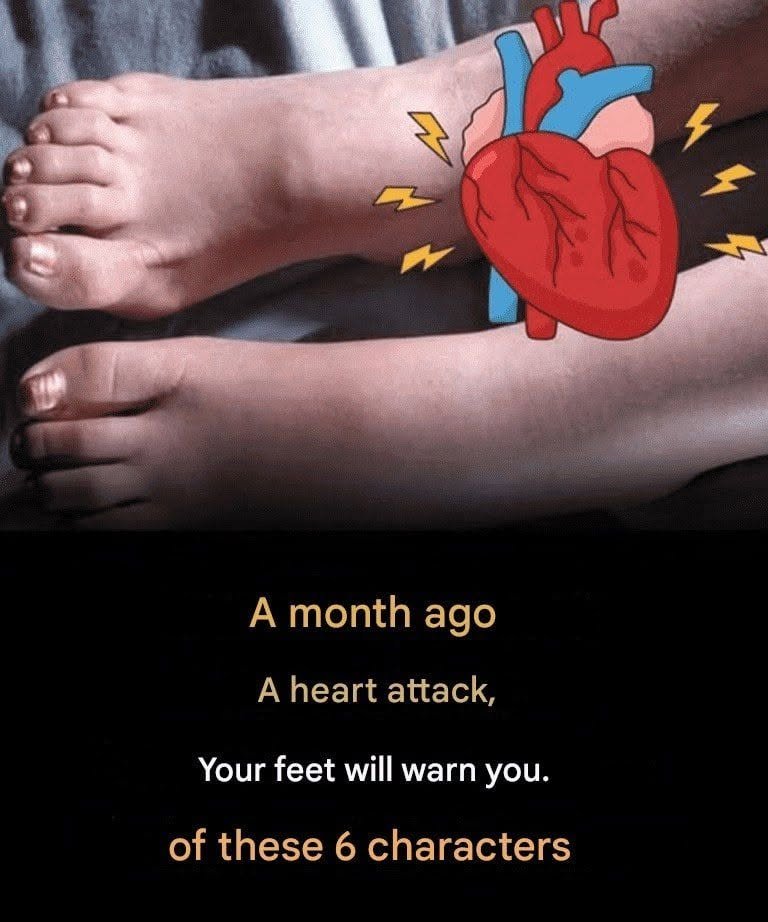
You may have seen claims that “your feet warn you one month before a heart attack.” There is an important distinction here: there is no medically established set of six foot symptoms that reliably predicts a heart attack 30 days in advance.
However, changes involving your feet and ankles can sometimes reflect circulation problems, fluid retention, or conditions that increase cardiovascular risk. Those signs deserve attention—especially when they appear suddenly or occur alongside chest discomfort, breathlessness, or unusual fatigue.
Here are six changes worth knowing about.
1. New Swelling in Your Feet or Ankles
Swollen feet and ankles can happen when fluid accumulates in the tissues.
Sometimes this is related to heart problems, particularly when the heart isn’t pumping blood effectively enough to maintain normal circulation.
You might notice:
- Shoes suddenly feeling tight
- Socks leaving deep indentations
- Puffy ankles
- Swelling that becomes more noticeable later in the day
But swelling isn’t specific to heart disease.
Other causes include:
- Kidney problems
- Liver disease
- Vein problems
- Certain medications
- Prolonged sitting or standing
- Injury
New or unexplained swelling should be evaluated rather than assumed to be a heart-attack warning.
2. Feet That Become Unusually Cold
Cold feet can occur simply because you’re in a cold environment.
But persistently cold feet—particularly when one foot is noticeably colder than the other—can sometimes indicate reduced blood flow.
Peripheral artery disease (PAD), for example, occurs when arteries supplying the limbs become narrowed.
PAD is important because it can be a marker of widespread atherosclerosis, the same disease process that can affect arteries supplying the heart.
So cold feet aren’t a reliable countdown to a heart attack, but persistent circulation changes are worth discussing with a healthcare professional.
3. A Change in Foot or Toe Color
Reduced circulation can sometimes cause changes in skin color.
Depending on the underlying problem, toes or feet may appear:
- Pale
- Bluish
- Purplish
- Unusually red
A sudden color change accompanied by severe pain, numbness, weakness, or a cold limb can indicate an acute circulation problem and requires urgent medical attention.
Don’t wait to see whether it resolves on its own.
4. Pain or Cramping When You Walk
One of the classic symptoms of peripheral artery disease is claudication.
You may experience aching, cramping, or tiredness in the calves, thighs, or buttocks when walking.
The discomfort typically improves after resting and returns when you resume activity.
This happens because narrowed arteries may not deliver enough blood to working muscles during exercise.
PAD doesn’t mean you’re about to have a heart attack next month.
But it is an important cardiovascular warning sign because people with PAD have increased risk of heart attack and stroke.
5. Slow-Healing Cuts or Sores
A small cut that takes unusually long to heal can have several causes.
Poor circulation can contribute, but diabetes and nerve problems are also important possibilities.
Pay particular attention to:
- Repeated sores
- Ulcers
- Skin breakdown
- Wounds that aren’t improving
- Signs of infection
A wound that becomes increasingly red, swollen, painful, warm, or produces pus needs prompt medical evaluation.
People with diabetes should be especially careful with foot wounds.
6. Numbness, Tingling, or Weakness
Persistent numbness or tingling in the feet isn’t a typical “one month before a heart attack” symptom.
Nevertheless, it shouldn’t automatically be dismissed.
Possible causes include:
- Diabetes
- Nerve compression
- Vitamin deficiencies
- Peripheral neuropathy
- Circulation problems
- Certain medications
If numbness develops suddenly—especially with weakness, facial drooping, trouble speaking, or other neurological symptoms—seek emergency care immediately.
What These Signs Really Mean
The viral claim gets one important idea partly right: your legs and feet can sometimes provide clues about your cardiovascular health.
But the claim that six specific foot symptoms appear exactly one month before a heart attack isn’t supported by good medical evidence.
There is no biological “30-day countdown” that doctors can use based on your feet.
Instead, some foot and leg symptoms can indicate underlying vascular disease or fluid retention, which may be associated with cardiovascular problems.
That’s a very different claim.
The Bigger Warning Signs of a Heart Attack
Don’t wait for foot symptoms if you develop symptoms that could indicate a heart attack.
Common warning signs include:
Chest pressure or discomfort
It may feel like pressure, squeezing, fullness, heaviness, or pain.
Pain spreading elsewhere
Discomfort can spread to the:
- Arm or arms
- Shoulder
- Back
- Neck
- Jaw
- Upper abdomen
Shortness of breath
Breathing difficulty may occur with or without chest discomfort.
Cold sweating
Unexpected sweating accompanied by other concerning symptoms can be a warning sign.
Nausea or vomiting
Some people experience digestive symptoms rather than classic chest pain.
Unusual fatigue or weakness
Some heart attacks, particularly in women and older adults, can present with less typical symptoms.
Women May Experience Less Typical Symptoms
Heart attack symptoms aren’t always the dramatic chest pain portrayed in movies.
Women can experience chest discomfort, but they may also experience:
- Shortness of breath
- Nausea
- Back or jaw discomfort
- Unusual tiredness
- Lightheadedness
These symptoms can have many causes, but if they’re sudden, unusual, or severe, don’t ignore them.
When Foot Symptoms Are an Emergency
Some foot symptoms require urgent attention even if there is no chest pain.
Seek immediate medical care for a foot or leg that suddenly becomes:
- Extremely painful
- Cold
- Pale or blue
- Numb
- Weak
- Difficult to move
This combination can indicate severely reduced blood flow to the limb.
Similarly, sudden swelling in one leg accompanied by pain or warmth can be associated with a blood clot. If that is accompanied by sudden chest pain or shortness of breath, emergency medical attention is needed because a clot can travel to the lungs.
How to Protect Your Heart and Circulation
You don’t need to wait for warning signs.
Some of the most important cardiovascular risk factors are modifiable.
Know your numbers
Keep track of:
- Blood pressure
- Cholesterol
- Blood glucose when appropriate
Don’t smoke
Smoking significantly increases cardiovascular and vascular risk.
Stay physically active
Regular activity helps cardiovascular fitness and circulation.
Eat a heart-healthy diet
Emphasize vegetables, fruits, whole grains, legumes, nuts, and other minimally processed foods while limiting excessive sodium, added sugars, and unhealthy fats.
Maintain a healthy weight when appropriate
Even modest improvements can benefit cardiovascular health.
Take prescribed medications correctly
If you’re being treated for high blood pressure, high cholesterol, diabetes, or another cardiovascular risk factor, don’t stop medication without discussing it with your healthcare professional.
The Most Important Takeaway
Your feet cannot reliably tell you that a heart attack will happen in one month.
But persistent foot swelling, coldness, color changes, walking-related leg pain, slow-healing wounds, or unexplained numbness can sometimes signal problems involving circulation or other medical conditions.
Think of these symptoms as reasons to investigate your health, not as a countdown clock.
And if you experience chest pressure, unexplained shortness of breath, cold sweating, fainting, or pain spreading to your arm, back, neck, or jaw, don’t wait for your feet to provide another warning.
Call your local emergency medical service immediately. A suspected heart attack is an emergency, and getting treatment quickly can save heart muscle—and potentially your life.