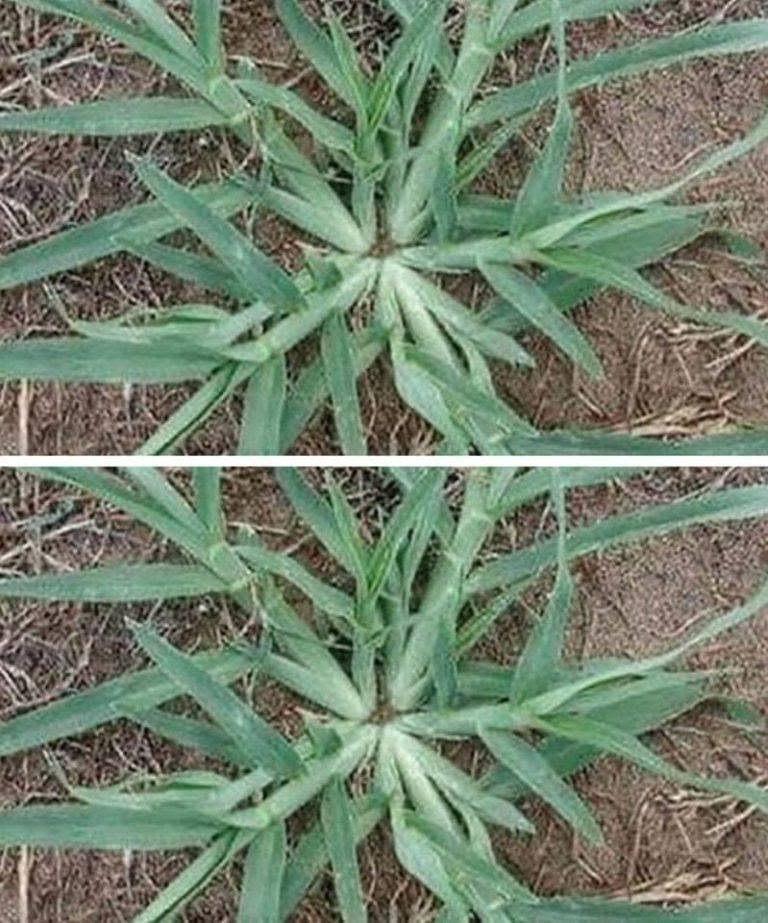
Never Uproot This Plant If It Appears in Your Garden: What You Should Know
If a plant suddenly appears in your garden, it can be tempting to pull it out immediately—especially if you don’t recognize it. But not every unexpected plant is a weed. Some wild plants can support pollinators, improve soil, provide food for wildlife, or even be useful medicinally.
At the same time, the viral advice to “never uproot this plant” should be treated carefully. Without knowing the plant’s identity, it is impossible to say whether it is beneficial, harmless, invasive, or potentially poisonous.
Why You Should Identify It Before Pulling It Out
Plants can look surprisingly similar.
Two plants may have:
- Similar leaves
- Similar flowers
- Similar stems
- Similar growth patterns
yet have completely different effects on people, pets, and the surrounding ecosystem.
Some poisonous plants can even resemble edible or medicinal species.
That’s why the safest approach is:
Identify first. Remove or keep second.
Some “Weeds” Are Actually Valuable Plants
A plant growing naturally in your garden may provide important ecological benefits.
1. Food for Pollinators
Flowering plants can provide nectar and pollen for:
- Bees
- Butterflies
- Hoverflies
- Other beneficial insects
Allowing some native flowering plants to remain can help support local biodiversity.
2. Habitat for Wildlife
Plants provide shelter and food for insects, birds, and other small animals.
Even plants that don’t look particularly attractive to us can play an important role in a garden ecosystem.
3. Soil Protection
Vegetation can help reduce soil erosion and keep the ground covered.
Plant roots can also contribute organic matter and interact with microorganisms in the soil.
But “Wild” Doesn’t Mean “Safe”
This is where viral gardening posts can become dangerous.
Some wild plants contain compounds that can cause:
- Skin irritation
- Burns
- Vomiting
- Severe allergic reactions
- Neurological symptoms
- Heart problems
- Organ toxicity
And some plants are dangerous even though they look attractive.
Children and pets can be particularly vulnerable because they may touch, chew, or accidentally ingest unfamiliar plants.
Don’t Eat an Unknown Plant
One of the most important rules is:
Never eat a wild plant simply because someone online says it’s medicinal or edible.
Correct identification can require more than looking at a photograph.
Important characteristics can include:
- Leaf arrangement
- Flower structure
- Stem characteristics
- Fruit or seed appearance
- Root structure
- Geographic location
- Season
- Growth habit
Some poisonous species closely resemble edible plants.
Be Careful With Plant Sap
Some plants contain irritating or toxic sap.
Contact can cause:
- Redness
- Burning
- Blistering
- Swelling
- Eye irritation
If you are removing an unfamiliar plant, wearing appropriate gloves and avoiding contact with your eyes and face is sensible.
If sap gets into your eyes, rinse thoroughly with clean water and seek medical advice if irritation persists or symptoms are severe.
Some Plants Are Invasive
There is another reason you shouldn’t automatically follow the advice to “never remove” a plant.
Some introduced plants can spread aggressively and crowd out native vegetation.
An invasive plant may:
- Spread rapidly
- Produce large numbers of seeds
- Reproduce from roots or stems
- Take over garden beds
- Reduce native plant diversity
So whether a plant should remain depends on what species it is and where you live.
What About Medicinal Plants?
Some plants traditionally used in herbal medicine contain compounds with genuine pharmacological activity.
But that doesn’t make them automatically safe.
The dose matters.
The preparation matters.
The plant’s identity matters.
And some plants can interact with prescription medicines.
A plant that is safe in a traditional preparation may not be safe when consumed in large quantities or concentrated into a homemade extract.
A Better Rule for Gardeners
Instead of:
“Never uproot this plant.”
Use this rule:
“Don’t remove an unfamiliar plant until you’ve identified it.”
Take clear photographs of:
- The whole plant
- Leaves
- Stem
- Flowers
- Fruit or seed pods
- The area where it’s growing
Then compare it with a reliable botanical source or ask a qualified local horticulturist, botanist, agricultural extension service, or nursery professional.
If You Decide to Remove It
Once you’ve established that the plant is unwanted and safe to handle, remove it carefully.
Depending on the species, simply pulling the visible stem may not be enough.
Some plants can regrow from:
- Roots
- Rhizomes
- Bulbs
- Underground stems
- Remaining fragments
Don’t compost an unfamiliar plant unless you’ve confirmed that doing so is appropriate. Some invasive species can spread through seeds or vegetative material.
Keep Children and Pets Away From Unknown Plants
Until you know what you’re dealing with, consider treating an unfamiliar plant as potentially unsafe.
Don’t allow children to:
- Taste the leaves
- Crush the flowers
- Play with berries or seeds
- Make “tea” from the plant
Likewise, prevent pets from chewing unknown vegetation.
If a child or pet may have eaten an unidentified plant, don’t wait for symptoms before seeking professional advice. Keep a photograph or sample of the plant if it can be collected safely.
What If the Plant Is Poisonous?
Don’t panic.
The appropriate response depends on the species and the type of exposure.
For skin contact, wash the affected area thoroughly.
For eye exposure, rinse with clean water.
For ingestion, seek advice from a poison-control service or medical professional. Don’t induce vomiting unless specifically instructed to do so.
If someone develops difficulty breathing, seizures, severe vomiting, unconsciousness, or another serious symptom, seek emergency medical care immediately.
Why These Viral Plant Claims Spread
Posts saying things like “Never uproot this plant” or “This plant is more valuable than you realize” are highly shareable because they create curiosity.
Sometimes the plant is genuinely useful.
Sometimes the claim is based on traditional knowledge.
Sometimes the plant is simply an ordinary species that has been given exaggerated medicinal properties.
And occasionally, the plant being discussed isn’t even correctly identified.
That’s why a dramatic headline shouldn’t replace proper identification.
The Bottom Line
If an unfamiliar plant appears in your garden, don’t automatically pull it out—but don’t automatically keep it either.
First identify the species.
If it’s a native or beneficial plant, you may decide to let it grow. If it’s invasive, poisonous, or harmful to your garden, removal may be the better choice.
Most importantly, never eat or prepare an unidentified wild plant based solely on a social-media post.
If you send me a photo of the plant, including a close-up of its leaves, stem, flowers or seeds and the whole plant, I can help you work out what it might be and explain whether it is generally considered useful, invasive, or potentially dangerous.