Why Do We Get Cramps at Night?
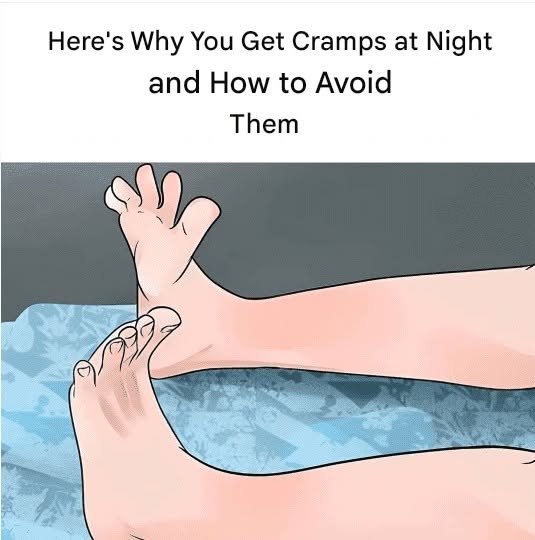
Nighttime leg cramps are sudden, painful muscle contractions that commonly affect the calves, feet, or thighs. They can happen to anyone, but they become more common with age.
1. Muscle Fatigue
Overusing or tiring your muscles during the day can sometimes contribute to nighttime cramps.
2. Dehydration
Not drinking enough fluids may contribute to muscle cramping, particularly after sweating or physical activity.
3. Long Periods of Sitting
Sitting for many hours or keeping your legs in the same position may contribute to muscle stiffness and cramps.
4. Certain Medicines
Some medications, including certain diuretics and cholesterol medicines, can be associated with muscle cramps. Don’t stop prescribed medication without discussing it with your doctor.
5. Pregnancy or Health Conditions
Pregnancy and some conditions affecting nerves, circulation, kidneys, or metabolism can increase the likelihood of cramps.
6. Electrolyte Problems
Low levels of minerals such as potassium, calcium, or magnesium can cause muscle problems, although simply taking supplements isn’t appropriate for everyone.
What to Do When a Cramp Happens
-
Gently stretch the affected muscle.
-
Massage the cramped area.
-
For a calf cramp, straighten the leg and gently pull your toes toward your face.
-
Stand up and walk carefully if you can do so safely.
-
Keep yourself adequately hydrated throughout the day.
How to Reduce Night Cramps
Gentle calf and hamstring stretching before bed may help some people. Regular physical activity and avoiding sudden increases in exercise can also be useful.
When to See a Doctor
Talk to a healthcare professional if cramps are frequent, severe, worsening, disturbing your sleep regularly, or associated with swelling, numbness, weakness, or persistent pain.
Important: Night cramps aren’t necessarily caused by a magnesium deficiency. Persistent cramps should be evaluated rather than automatically treating them with supplements.