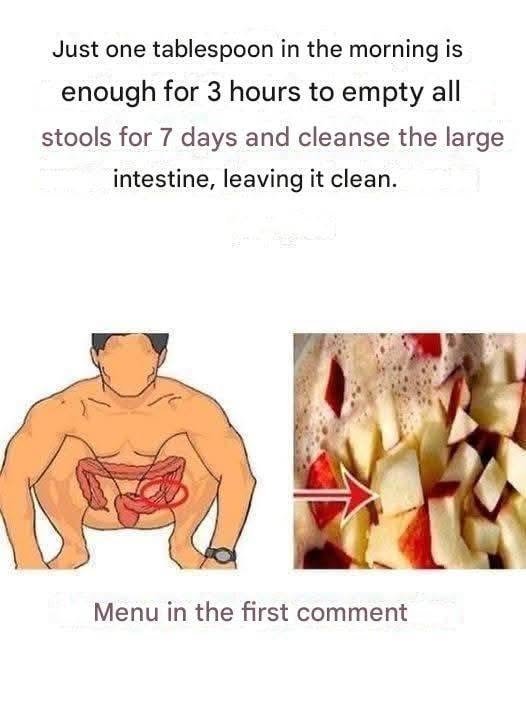
Here’s the detail first: mild, occasional constipation can often be improved with simple lifestyle and dietary changes. The goal isn’t to “clean out” the colon, but to make stool softer and easier to pass while encouraging regular bowel movement. If constipation is persistent, severe, or accompanied by warning signs, it should be evaluated rather than treated indefinitely at home.
1. Increase Your Fiber Gradually
Fiber adds bulk to stool and can help it move through the digestive tract more effectively.
Good choices include:
- Oats and whole-grain cereals
- Beans and lentils
- Apples, pears, berries, and kiwifruit
- Vegetables
- Nuts and seeds
- Prunes or dried plums
Increase fiber gradually, rather than suddenly eating a huge amount. A rapid increase can cause gas, bloating, and abdominal discomfort.
If you increase your fiber intake, make sure you’re also drinking enough fluids.
2. Drink Enough Water
Adequate fluid intake can help prevent stool from becoming excessively hard and dry.
Instead of drinking a huge amount at once, drink fluids regularly throughout the day.
Water is an excellent choice, although other fluids can contribute to your overall intake.
If you’ve been told to restrict fluids because of a heart, kidney, or other medical condition, follow your healthcare professional’s instructions rather than deliberately increasing your fluid intake.
3. Move Your Body and Establish a Toilet Routine
Physical activity can help stimulate normal intestinal movement.
Even something as simple as a daily walk can be useful.
You can also try establishing a regular bathroom routine—often after breakfast, when eating naturally stimulates the gastrocolic reflex.
When you sit on the toilet:
- Give yourself enough time.
- Don’t repeatedly ignore the urge to go.
- Avoid excessive straining.
- Consider placing your feet on a small footstool so your knees are slightly higher than your hips.
This position can make bowel movements more comfortable for some people.
A Bonus Food: Prunes
If you’re looking for one food that has particularly good evidence for constipation, prunes are worth considering.
They provide fiber and naturally contain sorbitol, a sugar alcohol that can draw water into the bowel and help promote a bowel movement.
Start with a modest amount rather than eating a large quantity at once, because too many can cause gas or diarrhea.
What Not to Do
Avoid trying to “flush” constipation away with extreme amounts of salt water, baking soda, oils, or herbal cleansing products.
These approaches can cause dehydration, electrolyte disturbances, diarrhea, and medication interactions.
Natural doesn’t automatically mean harmless.
When Constipation Needs Medical Attention
Occasional constipation is common, but seek medical advice if you have persistent constipation or a significant change in your usual bowel habits, particularly if you also have:
- Blood in the stool
- Unexplained weight loss
- Persistent abdominal pain
- Repeated vomiting
- Fever
- Significant abdominal swelling
- Unexplained weakness or anemia
Severe abdominal pain, repeated vomiting, major abdominal swelling, or inability to pass stool or gas can require urgent medical assessment.
Final Takeaway
The three simplest natural strategies are:
🥣 Fiber: Increase fruits, vegetables, whole grains, beans, and other fiber-rich foods gradually.
💧 Fluids: Maintain adequate hydration.
🚶 Movement + routine: Stay physically active and give yourself regular, unrushed opportunities to use the bathroom.
The objective is comfortable, regular bowel movements—not an overnight colon cleanse.