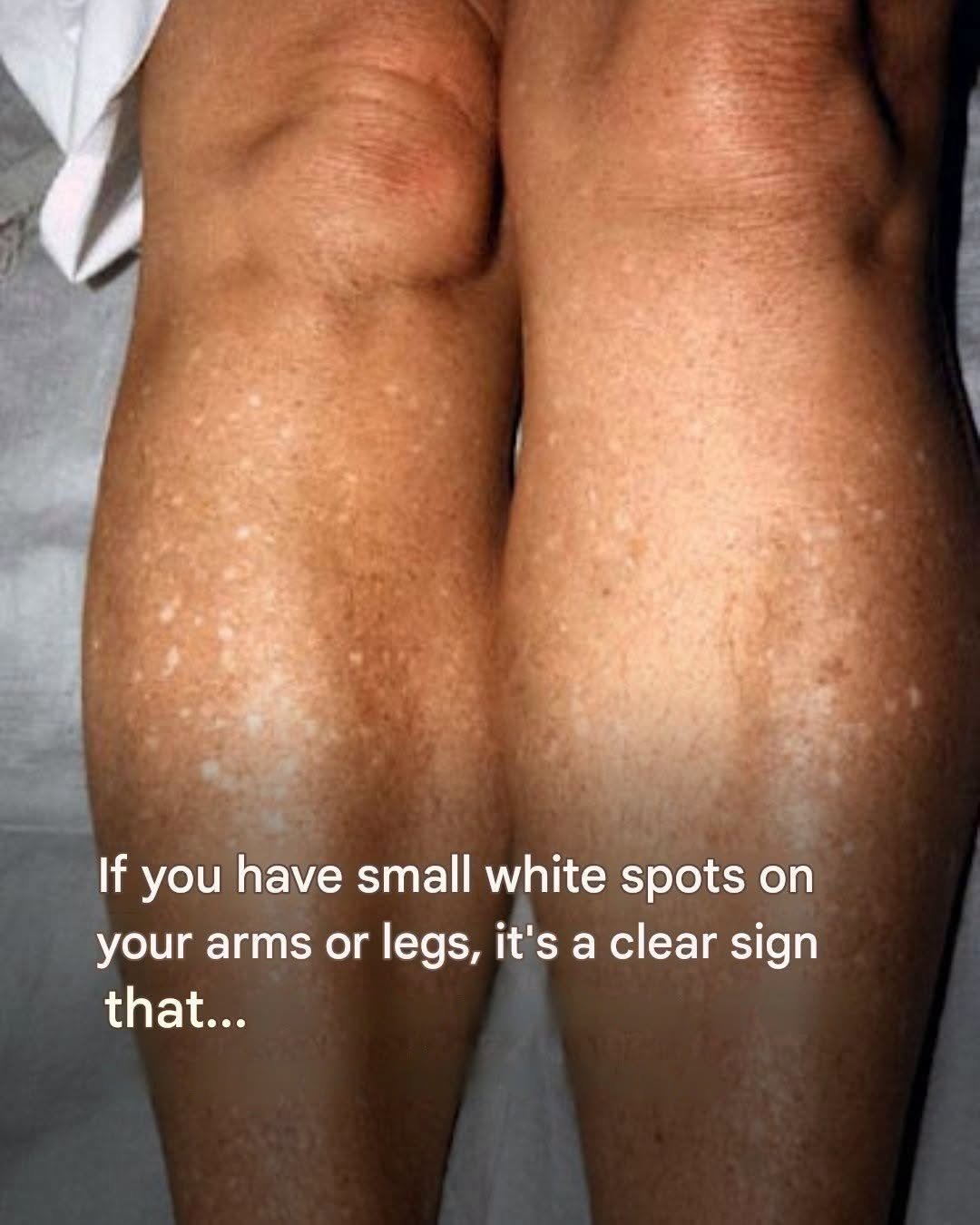
Why Do I Get White Spots on My Skin in Summer—and How Can I Treat Them? A Dermatologist Explains
White or pale spots can become much more noticeable during summer. Sometimes they are harmless changes that become visible because the surrounding skin tans, while in other cases they may indicate a fungal infection, eczema, or a pigment disorder.
The important thing is that not every white spot has the same cause, so treatment depends on what is actually producing the discoloration.
1. The Most Common Reason: The Surrounding Skin Gets Tanned
One reason pale patches seem to “appear” in summer is that the surrounding skin becomes darker from sun exposure.
A spot that was barely noticeable during winter can suddenly stand out after the rest of the skin tans.
This doesn’t necessarily mean the white area suddenly developed.
It may simply have become more visible.
2. Pityriasis Versicolor Can Cause Pale Spots
A common cause of light patches on the chest, back, shoulders, or neck is pityriasis versicolor, also called tinea versicolor.
Despite the name, it’s a superficial overgrowth of a type of yeast that normally lives on the skin.
It can produce patches that are:
- Lighter or darker than surrounding skin
- Slightly scaly
- More noticeable after sun exposure
- Sometimes mildly itchy
Warm, humid weather can make this condition more noticeable, which is one reason people often associate it with summer.
3. It Doesn’t Mean You’re Dirty
Pityriasis versicolor isn’t simply a consequence of poor hygiene.
The yeast involved normally lives on human skin. Certain conditions—including heat, humidity, sweating, and oily skin—can encourage it to multiply excessively.
So repeatedly scrubbing the patches won’t solve the underlying problem.
In fact, aggressive scrubbing can irritate your skin and make the discoloration more noticeable.
4. Another Possibility Is Pityriasis Alba
Pityriasis alba commonly causes pale, somewhat dry patches, particularly on the face people, although similar dry pale patches can occur in.
It is more frequently seen in children and young people, although similar dry pale patches can occur in other age groups.
The patches may have fine scaling and aren’t usually sharply white.
Moisturizing regularly and protecting the skin from excessive sun exposure can help make the contrast less noticeable.
5. Vitiligo Is Different
Vitiligo occurs when pigment-producing cells are destroyed or stop functioning in areas of skin.
It can cause sharply defined patches that are much lighter than the surrounding skin.
Vitiligo can occur anywhere, including:
- Face
- Hands
- Feet
- Around the eyes
- Around the mouth
- Genital area
It may gradually expand or new patches may appear.
Unlike some fungal conditions, vitiligo isn’t caused by a superficial infection and won’t be cured by an antifungal cream.
A dermatologist can examine the skin and determine whether vitiligo or another condition is responsible.
6. Previous Inflammation Can Leave Pale Marks
Skin sometimes becomes lighter after an injury, rash, acne, insect bite, or other inflammation.
This is called scaly, painful, or post-inflammatory hypopigmentation.
The original skin problem may have disappeared, leaving a temporary difference in pigmentation.
The color can gradually return, although the timeline varies depending on the cause and the individual.
7. Don’t Automatically Use Antifungal Cream
One of the most common mistakes is assuming that every pale patch is a fungal infection.
It isn’t.
Using antifungal medication unnecessarily may irritate the skin and delay proper diagnosis.
If the diagnosis isn’t obvious, especially when patches are spreading or sharply defined, a dermatologist can examine them and determine the appropriate treatment.
8. Treatment Depends on the Cause
If the problem is pityriasis versicolor, a healthcare professional may recommend an appropriate antifungal treatment, which can be topical or, in some circumstances, oral.
If it’s pityriasis alba, treatment may focus on moisturization and managing associated dryness or inflammation.
Vitiligo has different treatment options, which may include topical medications or light-based treatments depending on the location and extent of the condition.
There’s no single cream that safely treats every cause of white spots.
9. Sunscreen Can Make the Spots Less Noticeable
Sun exposure can increase the contrast between pale patches and surrounding skin.
Using a broad-spectrum sunscreen can help prevent surrounding skin from tanning and reduce the visual contrast.
It also protects the affected skin from ultraviolet damage.
Choose an SPF appropriate for your needs and reapply as directed, particularly during prolonged outdoor activity.
10. Don’t Scrub or Bleach the Spots
Scrubbing white spots with salt, baking soda, lemon juice, toothpaste, or other household ingredients is unlikely to restore pigment.
It can instead cause irritation or chemical burns.
Skin pigmentation problems generally require identifying the underlying cause rather than trying to physically scrub away the discoloration.
When Should You See a Dermatologist?
It’s worth getting the spots evaluated if:
- They are spreading or increasing in number.
- They are completely white or sharply defined.
- Hair within the patch is also turning white.
- They are itchy, scaly, painful, or inflamed.
- They keep returning.
- You aren’t sure what caused them.
- They don’t improve with appropriate basic care.
A dermatologist can often distinguish between common causes by examining the pattern, color, texture, and location. Sometimes additional testing is useful.
Can White Spots Be Prevented?
Not every cause can be prevented, but some habits can help keep your skin healthy:
- Use sunscreen regularly.
- Keep skin moisturized if it’s dry.
- Avoid excessive tanning.
- Don’t aggressively scrub discolored areas.
- Change out of sweaty clothing when practical.
- Avoid sharing towels or personal items if you have a diagnosed contagious skin infection.
- Seek treatment when recurring patches develop.
The Bottom Line
White spots that become noticeable in summer don’t automatically mean something serious.
They can result from increased contrast after tanning, pityriasis versicolor, dry-skin conditions such as pityriasis alba, previous inflammation, vitiligo, and several other causes.
The appearance of the spots matters: their location, texture, borders, scaling, and whether they’re spreading can provide important clues.
If you’re unsure what you’re seeing, don’t experiment with harsh home remedies. A dermatologist can identify the cause and recommend the appropriate treatment.
The right treatment starts with the right diagnosis—because a fungal patch, dry-skin patch, and vitiligo may look similar at first but require very different approaches.