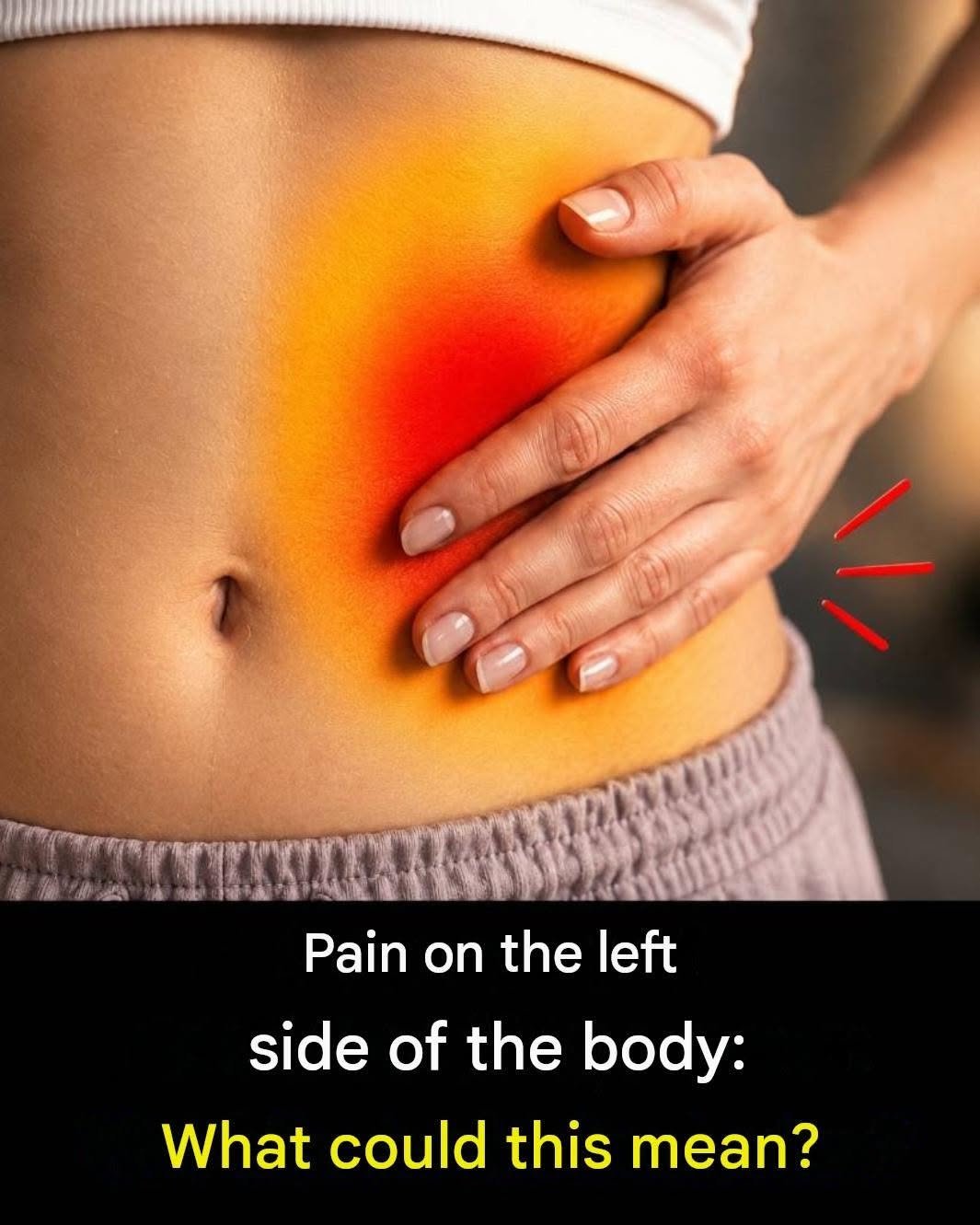
Pain on the Left Side of the Body: What Could It Mean and When Should You Pay simple, such as a pulled muscle or trapped gas. Other times, left-sided pain can be Attention?
Pain on the left side of the body can have many explanations. Sometimes it’s something relatively simple, such as a pulled muscle or trapped gas. Other times, left-sided pain can be a warning sign of a condition that needs prompt medical attention.
The location, severity, duration, and accompanying symptoms matter more than the fact that the pain is on the left side alone.
Here are some common possibilities—and the situations when you shouldn’t ignore the pain.
1. Muscle Strain or Injury
A muscle strain is one of the more common explanations for localized pain.
It can happen after:
- Lifting something heavy
- Exercising
- Reaching or twisting suddenly
- Coughing repeatedly
- Sleeping in an awkward position
Musculoskeletal pain often becomes worse with certain movements or when you press on the affected area.
If the pain clearly started after physical activity and gradually improves with rest, a muscle-related cause may be more likely.
But severe pain after an injury, inability to move normally, significant swelling, or worsening symptoms should be evaluated.
2. Gas, Constipation, or Other Digestive Problems
Pain on the left side of the abdomen can sometimes come from the digestive system.
Gas and constipation can cause cramping, pressure, bloating, or sharp pains.
The descending and sigmoid portions of the colon are located on the left side of the abdomen, so problems affecting the large intestine can sometimes produce left-sided discomfort.
If abdominal pain is persistent or accompanied by vomiting, fever, blood in the stool, significant abdominal swelling, or inability to pass stool or gas, seek medical attention.
3. Kidney Problems
Your kidneys sit toward the back of the abdomen, underneath the ribs.
A problem involving the left kidney can cause pain in the left flank or lower back, sometimes spreading toward the abdomen or groin.
Kidney stones may cause severe pain that comes in waves. A kidney infection can cause pain along with fever, chills, nausea, or painful/frequent urination.
Blood in the urine is another symptom that deserves medical evaluation.
4. Nerve Pain
Nerves can also produce unusual pain on one side of the body.
Nerve-related pain may feel like:
- Burning
- Tingling
- Electric shocks
- Pins and needles
- Shooting pain
- Numbness
A compressed nerve in the neck or back can cause symptoms extending into an arm or leg.
If weakness, significant numbness, difficulty walking, or loss of bladder or bowel control develops, seek urgent medical attention.
5. Shingles
Shingles (herpes zoster) can cause pain, burning, tingling, or unusual sensitivity on one side of the body.
A characteristic rash often appears later.
Because shingles usually follows a band-like area supplied by a nerve, the pain may be confined largely to one side.
If you develop unexplained burning pain followed by a blistering rash—particularly near the face or eye—contact a healthcare professional promptly. Early treatment can be important.
6. Problems Affecting the Spleen
The spleen is located in the upper-left abdomen, beneath the ribs.
Problems involving the spleen can cause pain in this area.
A serious injury to the abdomen can sometimes damage the spleen and cause internal bleeding.
Severe left-upper abdominal pain after an injury—especially if accompanied by dizziness, fainting, rapid heartbeat, weakness, or pain spreading toward the left shoulder—is an emergency.
7. Heart-Related Pain
This is one of the most important possibilities not to overlook.
Heart-related pain doesn’t always feel like a sharp pain directly over the heart.
It can feel like pressure, squeezing, heaviness, tightness, or discomfort in the chest, and it may spread to the left or either arm, shoulder, back, neck, jaw, or upper abdomen.
Other possible symptoms include:
- Shortness of breath
- Sweating
- Nausea
- Dizziness
- Unusual weakness
- A feeling of impending doom
Some people—particularly older adults and people with diabetes—may experience less typical symptoms.
If you suspect a heart attack, seek emergency medical help immediately. Don’t wait to see whether the pain disappears.
8. Stroke or Other Neurological Emergency
Pain itself is not usually the main symptom of a stroke.
However, sudden symptoms affecting the left side of the body can be extremely important.
For example, sudden weakness or numbness of the face, arm, or leg on one side can be a sign of stroke.
Watch for sudden:
- Facial drooping
- Arm or leg weakness
- Numbness
- Trouble speaking
- Difficulty understanding speech
- Vision changes
- Severe dizziness or loss of balance
- Sudden severe headache
Use the B.E. F.A.S.T. warning signs:
B — Balance: sudden loss of balance
E — Eyes: sudden vision changes
F — Face: facial drooping
A — Arms: weakness or numbness
S — Speech: speech difficulty
T — Time: seek emergency medical help immediately
Even if the symptoms disappear after a few minutes, they may represent a transient ischemic attack (TIA) and still require urgent evaluation.
9. Lung or Chest Conditions
Left-sided chest or upper-body pain can sometimes come from the lungs or the tissues surrounding them.
Certain conditions can cause pain that becomes worse when taking a deep breath or coughing.
Sudden chest pain accompanied by shortness of breath, rapid breathing, coughing up blood, fainting, or a racing heartbeat can indicate a potentially life-threatening problem such as a pulmonary embolism.
That requires emergency medical attention.
10. Reproductive or Pelvic Causes
For women, pain on the left side of the lower abdomen or pelvis can have gynecological causes.
These may include ovarian cysts, menstrual pain, endometriosis, pelvic infections, or other conditions.
Sudden severe pelvic pain—especially when accompanied by fainting, heavy bleeding, fever, or vomiting—requires urgent evaluation.
During pregnancy, severe abdominal or pelvic pain or bleeding should be assessed urgently.
When Should You Worry About Left-Sided Pain?
The most important question isn’t simply “Which side hurts?”
Ask:
Did the pain begin suddenly?
Is it severe or getting worse?
Are other symptoms happening at the same time?
Did it follow an injury?
Has it persisted or repeatedly returned?
Pain becomes much more concerning when it occurs with symptoms such as chest pressure, difficulty breathing, fainting, sudden weakness, confusion, severe headache, heavy bleeding, persistent vomiting, or high fever.
Don’t Ignore Sudden Severe Pain
Sudden, severe, unexplained pain deserves medical assessment.
This is particularly true when the pain involves the chest or upper abdomen or occurs with breathing difficulty, sweating, dizziness, or weakness.
Likewise, sudden neurological symptoms affecting one side of the body should be treated as an emergency.
Don’t drive yourself if you may be having a heart attack or stroke. Call your local emergency medical service.
What If the Pain Is Mild?
Mild pain without concerning symptoms may not require emergency treatment.
You can pay attention to:
- When it started
- Where exactly it hurts
- Whether movement changes it
- Whether eating changes it
- Whether you have fever
- Whether you have urinary or bowel changes
- Whether there is a rash
- Whether the pain is improving or worsening
If it persists, keeps returning, or has no obvious explanation, arrange a medical evaluation.
The Bottom Line
Left-sided pain can come from something as simple as a muscle strain, constipation, or gas—but it can also occasionally signal a serious problem involving the heart, lungs, brain, kidneys, spleen, or other organs.
Pay particular attention to sudden or severe pain and pain accompanied by:
- Chest pressure or discomfort
- Shortness of breath
- Fainting or severe dizziness
- Sudden weakness or numbness
- Facial drooping or speech problems
- Heavy bleeding
- Severe abdominal pain
- Persistent vomiting
- High fever
- A serious injury
Don’t try to diagnose serious left-sided pain based on location alone. If your symptoms are sudden, severe, unusual for you, or accompanied by emergency warning signs, seek medical help immediately.
